




Platinum Nanoparticles Boost Radiotherapy Effectiveness Against Cancer
Researchers from INMA and NANBIOSIS have developed ultrasmall platinum nanoparticles that significantly boost radiotherapy effectiveness against cancer.
Zaragoza, May 2026 — Researchers from the Aragon Nanoscience and Materials Institute (INMA), together with collaborators from Instituto de Salud Carlos III, Spanish National Cancer Research Centre (CNIO) and the University of Elche, have developed ultrasmall platinum nanoparticles capable of significantly enhancing the effectiveness of radiotherapy in cancer treatment.
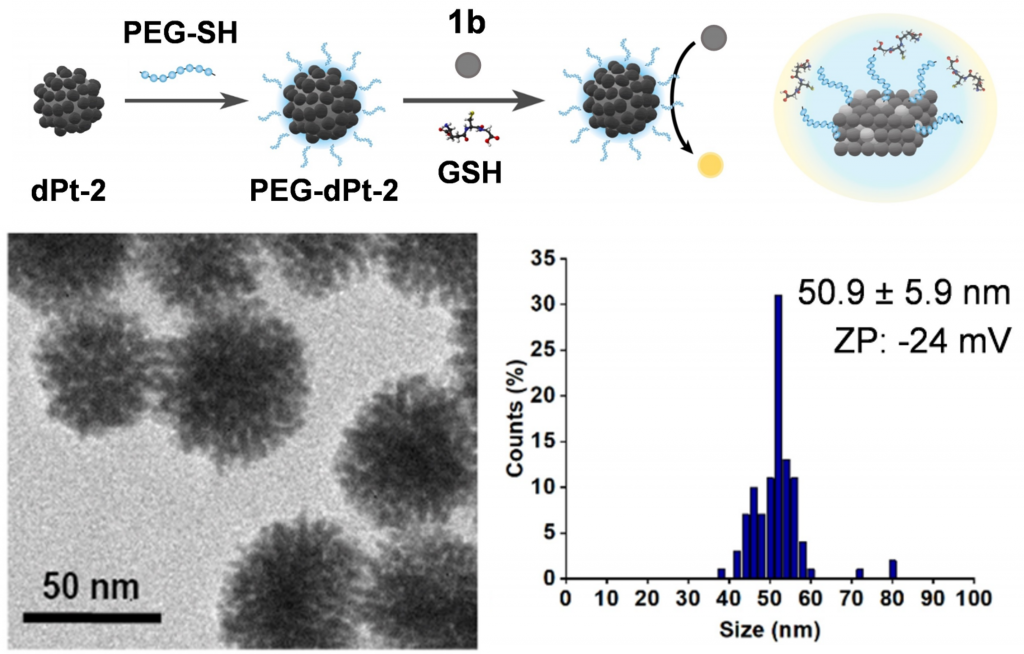
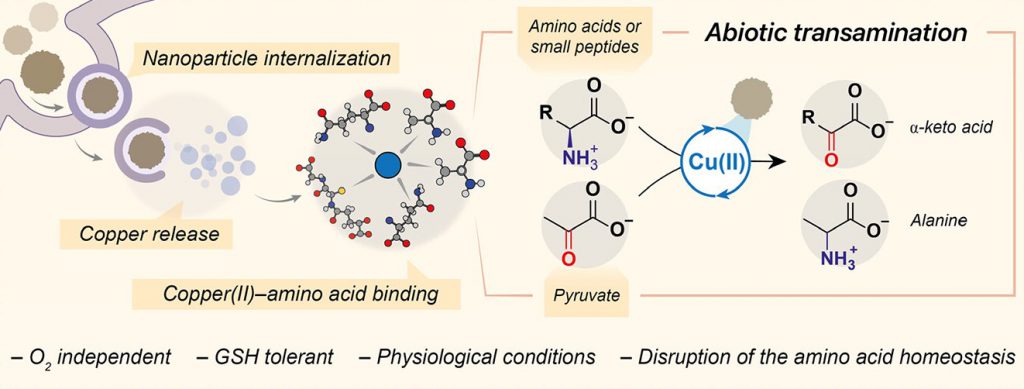
The study, published in Advanced Functional Materials, demonstrates that platinum nanoparticles measuring just 2–3 nanometres act through a dual mechanism to attack tumours. On one hand, platinum amplifies the radiation effect, increasing DNA damage in cancer cells. On the other, the nanoparticles locally generate oxygen inside tumours, helping overcome tumour hypoxia — one of the main causes of resistance to radiotherapy.
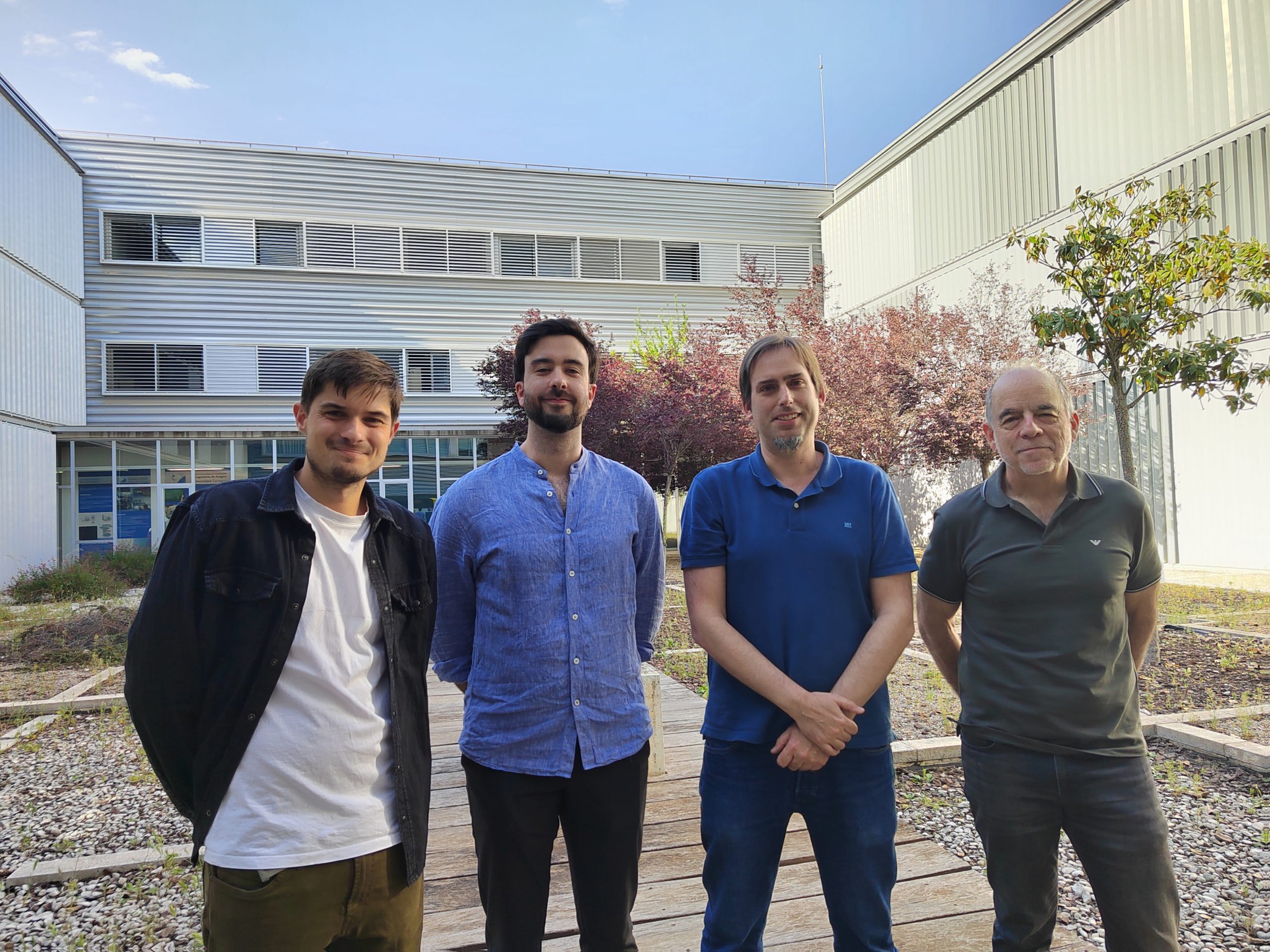
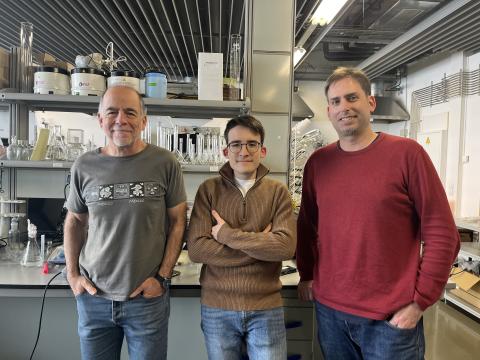
The research was led by José Ignacio García-Peiró, Miguel Encinas, José Luis Hueso and Jesús Santamaría, all members of CIBER-BBN and Unit 9 of NANBIOSIS.
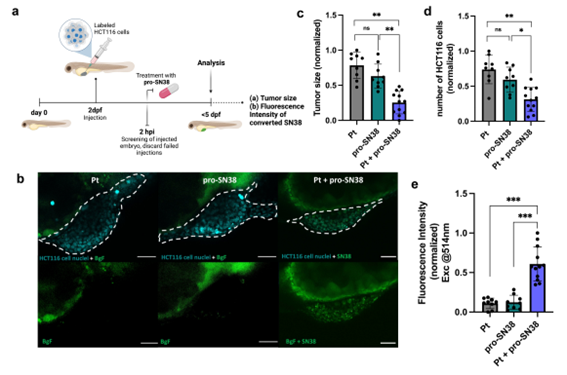
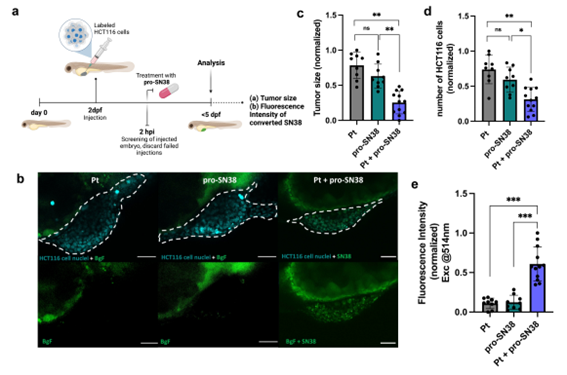
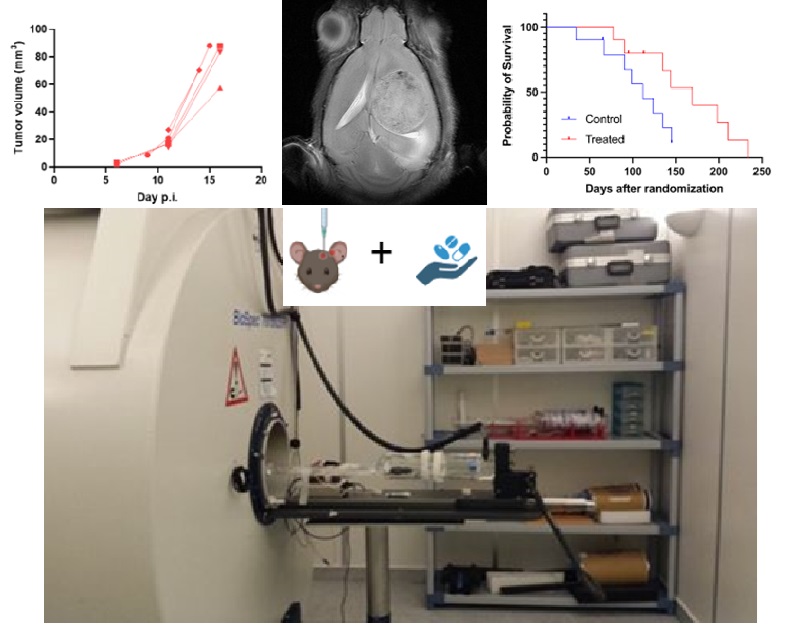
Experiments carried out in cell and animal models showed a strong reduction in tumour growth while using low radiation doses, without detecting systemic toxicity. The ultrasmall size of the nanoparticles also facilitates their elimination through the urinary system, improving biocompatibility and safety.
Although still at the proof-of-concept stage, this work represents a promising step toward more effective and targeted radiotherapy strategies in cancer treatment.
The full article, Ultrasmall Platinum Nanoparticles for Radiation-Enhanced Cancer Therapy, is available in Advanced Functional Materials.
What is NANBIOSIS?
The goal of NANBIOSIS is to provide comprehensive and integrated advanced solutions for companies and research institutions in biomedical applications. All of this is done through a single-entry point, involving the design and production of biomaterials, nanomaterials, and their nanoconjugates. This includes their characterization from physical-chemical, functional, toxicological, and biological perspectives (preclinical validation).
If you want to collaborate with us, visit our Order Request page.
In order to access our Cutting-Edge Biomedical Solutions with priority access, enter our Competitive Call here.
NANBIOSIS has worked with pharmaceutical companies of all sizes in the areas of drug delivery, biomaterials and regenerative medicine. Here are a few of them: