

+34 620 10 75 37info@nanbiosis.com

News U12

News U12

Biofunctionalized nanoconjugates: Advancing diagnostics and nanomedicine

NANBIOSIS launches an integrated service to develop antibody-functionalized nanoconjugates, bridging diagnostics and nanomedicine innovation.

NANBIOSIS introduces a cutting-edge integrated service for the design, production, and characterization of biofunctionalized nanoconjugates, addressing a critical bottleneck in diagnostics and nanomedicine development.

Led by Prof. M. Pilar Marco (Unit 2, CAbS) and Dr. Carlos Rodríguez (Unit 12), and coordinated by Nuria Pascual (U2) and Susana Vilchez (U12), this initiative combines expertise across disciplines to deliver robust, reproducible, and application-ready nanobiotechnology solutions.

Bridging a Critical Gap in Nanomedicine

Many promising biomedical innovations fail to progress beyond the prototype stage due to a disconnect between two key components: the biological recognition element (such as antibodies) and the nanostructured carrier.

Developing these elements independently often leads to incompatibilities in performance, stability, and scalability—especially in advanced applications such as:

  • Antibody-functionalized nanoprobes
  • Liposomal or micellar diagnostic reagents
  • Point-of-care nanodiagnostics and theranostics

NANBIOSIS addresses this challenge by integrating both aspects into a single, coordinated workflow.

A Fully Integrated Workflow

This new service connects the strengths of Unit 2 (Custom Antibody Service, CAbS) and Unit 12 (Nanostructured Liquids Characterization Unit), offering a seamless pipeline from concept to validated nanoformulation.

Key capabilities include:

  • Custom antibody development (U2):
    Design of haptens and peptides, antibody production and purification, immunoassay development, and bioconjugation.
  • Advanced nanomaterial characterization (U12):
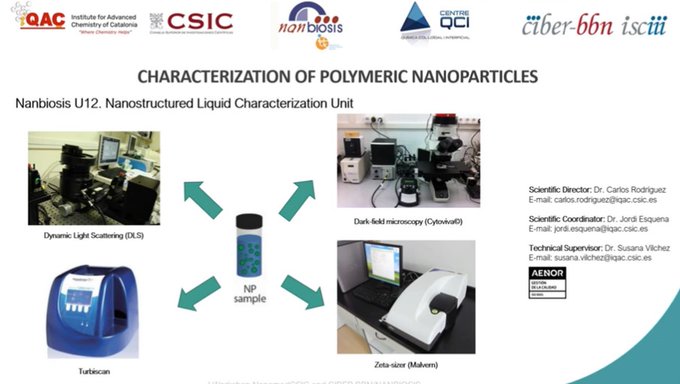
    Comprehensive physicochemical analysis of colloidal systems, including size distribution, zeta potential, stability, viscosity, and microscopy (e.g., DLS/SLS and SEM).

Together, these services enable the development of optimized antibody-functionalized nanoconjugates with enhanced robustness and translational potential.

From Concept to Application

The integrated workflow covers all stages of development:

  1. Target definition and biomarker selection
  2. Hapten and immunogen synthesis
  3. Antibody production and screening
  4. Functionalization of nanostructures
  5. Physicochemical characterization
  6. Stability and performance optimization

This end-to-end approach ensures compatibility between biological and nanostructured components, significantly increasing the likelihood of successful real-world applications.

Proven Impact in Biomedical Research

The service builds on successful collaborations and high-impact research. Notable examples include:

  • A nanoplasmonic biosensor for monitoring the anticoagulant acenocoumarol in plasma, integrating highly specific antibodies with gold nanostructures.
  • The development of functionalized PLGA nanoparticles for theranostic applications, demonstrating selective interaction with proteins involved in transport across the blood–brain barrier.

These cases highlight the potential of integrated nanobioconjugation strategies to advance precision diagnostics and targeted therapies.

Enabling the Future of Nanodiagnostics

By combining biological expertise with advanced nanomaterial characterization, NANBIOSIS positions itself at the forefront of nanomedicine, biosensing, and point-of-care diagnostics.

This integrated service offers researchers and companies a reliable pathway to transform innovative ideas into validated, high-performance nanobiomedical products—accelerating their journey from lab to market.

You can read more information about this CEBS here.

What is NANBIOSIS?

The goal of NANBIOSIS is to provide comprehensive and integrated advanced solutions for companies and research institutions in biomedical applications. All of this is done through a single-entry point, involving the design and production of biomaterials, nanomaterials, and their nanoconjugates. This includes their characterization from physical-chemical, functional, toxicological, and biological perspectives (preclinical validation).

If you want to collaborate with us, visit our Order Request page.
Leading scientists

The main value of NANBIOSIS is our highly qualified and experienced academic scientists, working in public institutions, renowned universities and other research institutes.

Custom solutions

Designed for either scientific collaboration or the private industry, we adapt our services to your needs, filling the gaps and paving the way towards the next breakthrough.

Cutting-Edge facilities

Publicly funded, with the most advanced equipment, offering a wide variety of services from synthesis of nanoparticles and medical devices, including up to preclinical trials.

Standards of quality

Our services have standards of quality required in the pharmaceutical, biotech and medtech sectors, from Good Practices to ISO certifications.

In order to access our Cutting-Edge Biomedical Solutions with priority access, enter our Competitive Call here.

NANBIOSIS has worked with pharmaceutical companies of all sizes in the areas of drug delivery, biomaterials and regenerative medicine. Here are a few of them:
Read More

NANBIOSIS showcases colloidal characterization expertise at the 54 CED Annual Meeting

NANBIOSIS Unit 12 showcased advanced colloidal characterization technologies at the 54 CED Annual Meeting, highlighting their role in product innovation.

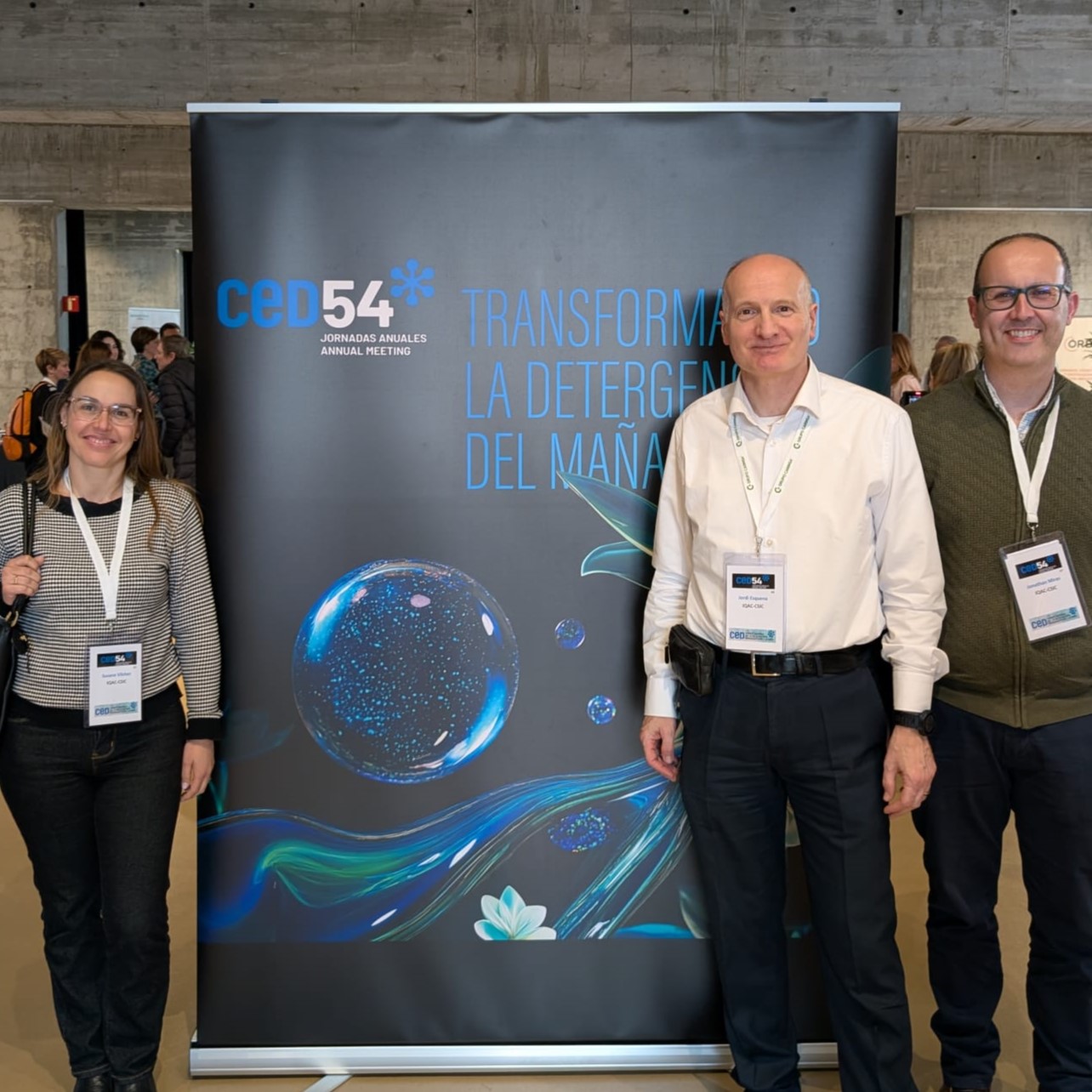
Barcelona, March 2026 — Last March 11–12, NANBIOSIS Unit 12 actively participated in the 54 CED Annual Meeting, a key international forum bringing together industry leaders and scientific experts in detergency, cosmetics, and colloidal systems.

The event provided a valuable platform for knowledge exchange and collaboration between academia and industry, reinforcing the importance of advanced characterization techniques in the development and optimization of innovative products.

Advancing Colloidal Science for Industry Applications

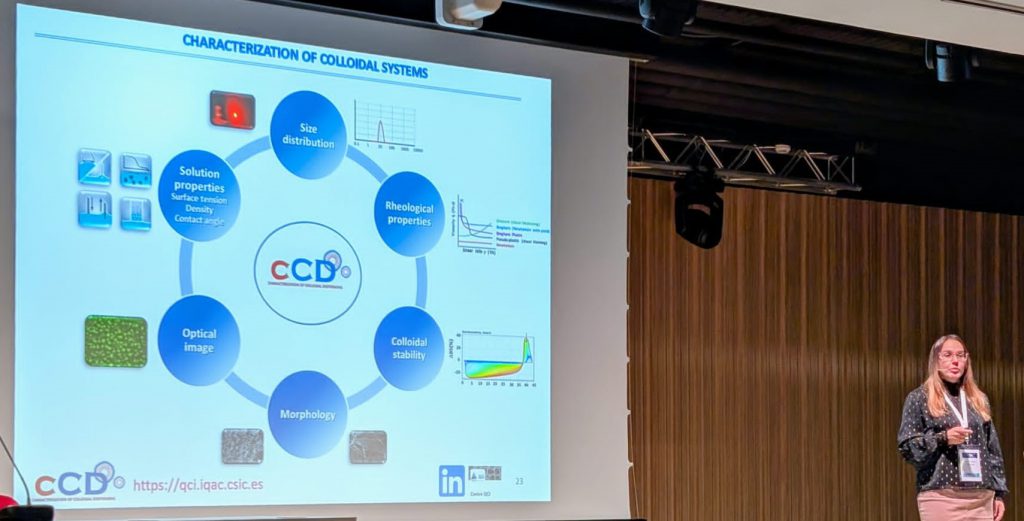
During the meeting, NANBIOSIS Unit 12 highlighted its cutting-edge capabilities in the comprehensive characterization of colloidal systems. The Unit emphasized the critical role of particle analysis in ensuring product performance, stability, and quality control across sectors such as cosmetics, pharmaceuticals, and detergents.

Among the featured contributions were:

  • Oral presentation: “Particle size as a key parameter in the characterization of colloids”, delivered by Susana Vílchez
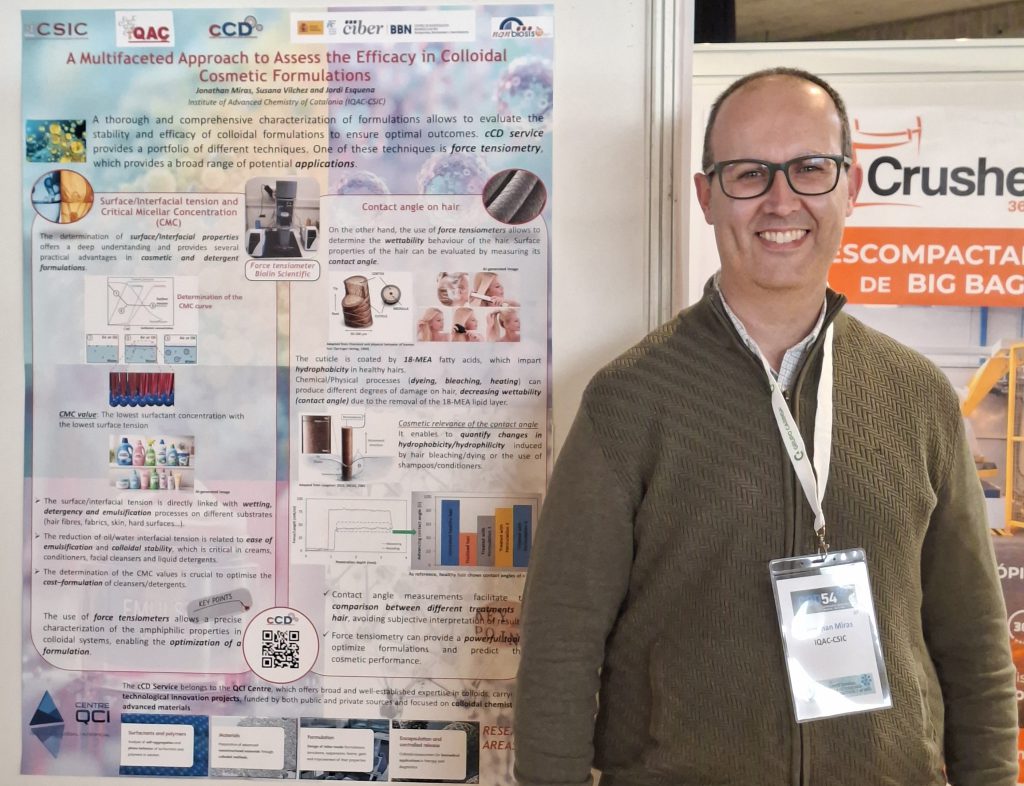
  • Poster presentation: “A Multifaceted Approach to Assess the Efficacy in Colloidal Cosmetics Formulations”, presented by Jonathan Miras

Oral presentation: “Particle size as a key parameter in the characterization of colloids”, delivered by Susana Vílchez

These contributions showcased how advanced analytical techniques can provide deeper insights into colloidal formulations, ultimately supporting more efficient product development and improved consumer outcomes.

Poster presentation: “A Multifaceted Approach to Assess the Efficacy in Colloidal Cosmetics Formulations”, presented by Jonathan Miras

About NANBIOSIS Unit 12

NANBIOSIS Unit 12 (Nanostructured Liquid Characterization) is hosted at the Institute of Advanced Chemistry of Catalonia (IQAC-CSIC), part of the Spanish National Research Council (CSIC), in Barcelona.

The Unit is coordinated by the Colloid and Interfacial Chemistry Group and led by Scientific Director Prof. Carlos Rodríguez, with Jordi Esquena as Scientific Coordinator.

Unit 12 specializes in the characterization of nanostructures in liquid systems and interfaces, including micelles, liposomes, nanoemulsions, and nanoparticles. Its state-of-the-art infrastructure enables detailed analysis of key parameters such as:

  • Particle size distribution and zeta potential
  • Critical micelle concentration (CMC)
  • Surface and interfacial tension
  • Colloidal stability and solubilization capacity
  • Rheological properties (viscosity, shear, and elastic moduli)

These capabilities make Unit 12 a strategic partner for both academic and industrial stakeholders seeking advanced solutions in nanomedicine, cosmetics, and materials science.

Strengthening Industry Collaboration Through NANBIOSIS

Participation in events like the CED Annual Meeting highlights NANBIOSIS’ commitment to bridging scientific excellence and industrial innovation. By showcasing its technological capabilities and engaging with industry professionals, Unit 12 continues to foster collaborations that accelerate the translation of research into real-world applications.

More information about the event here.

What is NANBIOSIS?

The goal of NANBIOSIS is to provide comprehensive and integrated advanced solutions for companies and research institutions in biomedical applications. All of this is done through a single-entry point, involving the design and production of biomaterials, nanomaterials, and their nanoconjugates. This includes their characterization from physical-chemical, functional, toxicological, and biological perspectives (preclinical validation).

If you want to collaborate with us, visit our Order Request page.

Leading scientists

The main value of NANBIOSIS is our highly qualified and experienced academic scientists, working in public institutions, renowned universities and other research institutes.

Custom solutions

Designed for either scientific collaboration or the private industry, we adapt our services to your needs, filling the gaps and paving the way towards the next breakthrough.

Cutting-Edge facilities

Publicly funded, with the most advanced equipment, offering a wide variety of services from synthesis of nanoparticles and medical devices, including up to preclinical trials.

Standards of quality

Our services have standards of quality required in the pharmaceutical, biotech and medtech sectors, from Good Practices to ISO certifications.

In order to access our Cutting-Edge Biomedical Solutions with priority access, enter our Competitive Call here.

NANBIOSIS has worked with pharmaceutical companies of all sizes in the areas of drug delivery, biomaterials and regenerative medicine. Here are a few of them:
Read More

NANBIOSIS Strengthens Internal Collaboration at 2025 Networking Event in Cáceres

NANBIOSIS held its 2025 networking event in Cáceres to boost collaboration among Units in biomaterials, nanomedicine, and biomedical research.

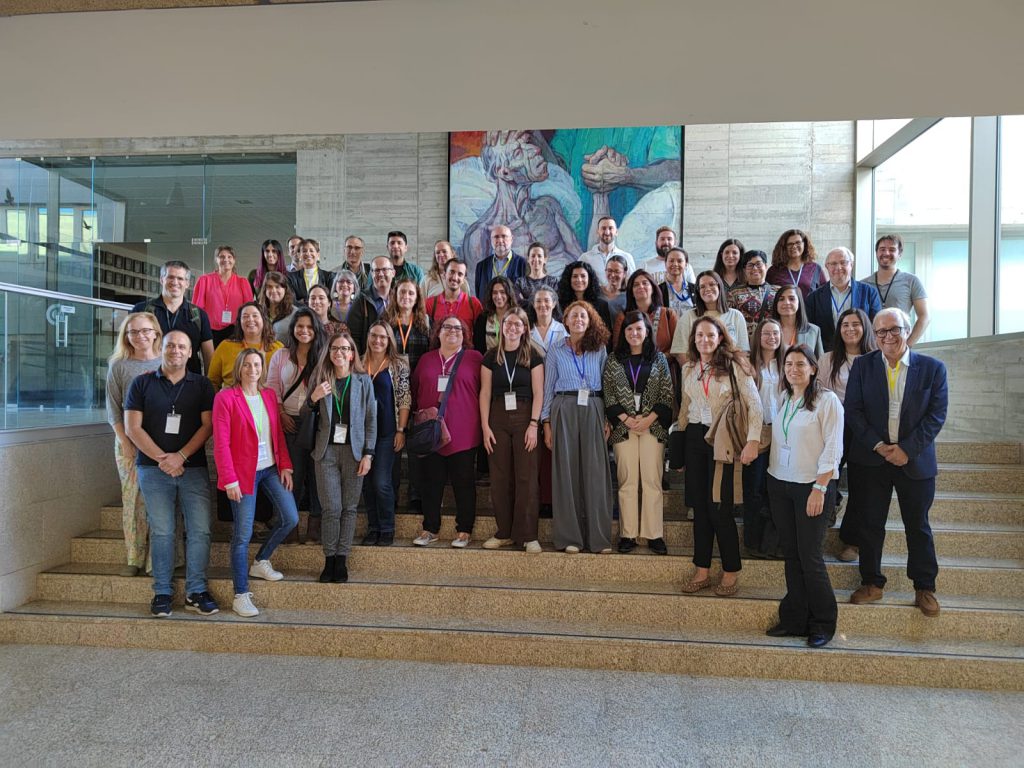
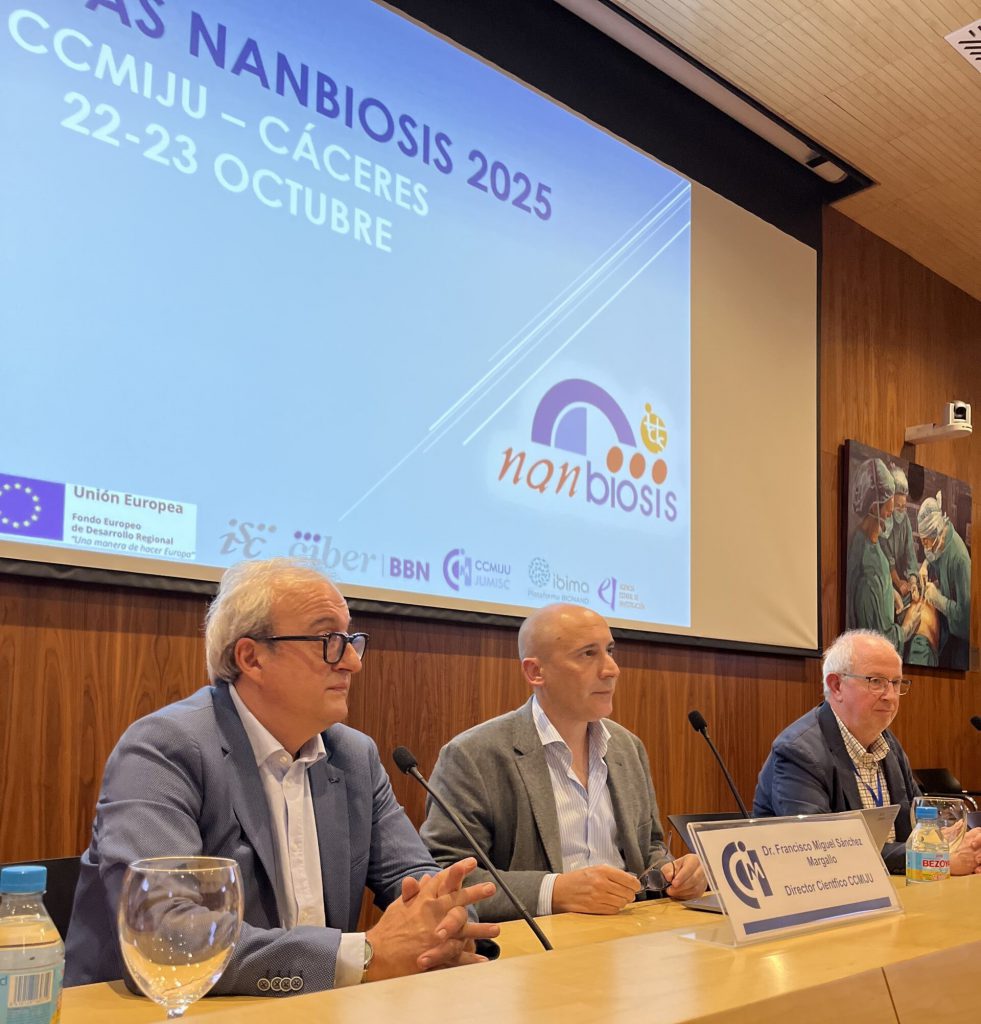
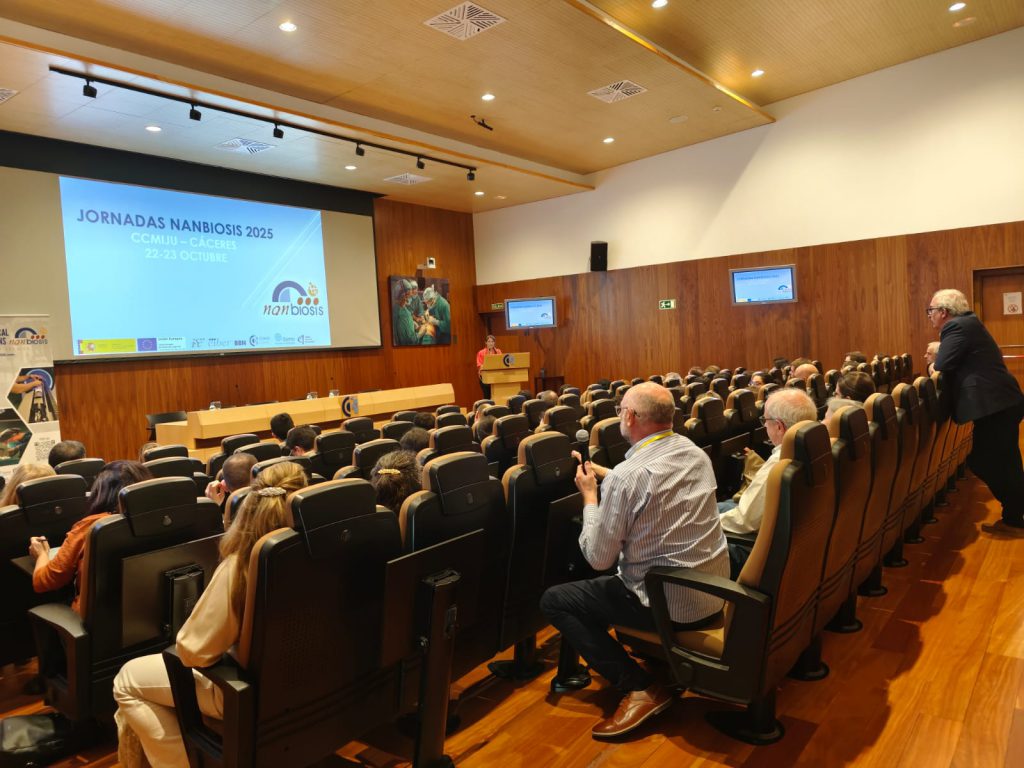
Cáceres, October 2025From 22 to 24 October 2025, the Singular Scientific and Technical Infrastructure (ICTS) NANBIOSIS held its annual internal networking event at the Centro de Cirugía de Mínima Invasión Jesús Usón (CCMIJU) in Cáceres, Spain. The event brought together Unit coordinators, researchers, and technical staff from across Spain to foster collaboration, share scientific progress, and explore new opportunities for joint projects in biomedical research, nanomedicine, and biotechnology.

A meeting to boost collaboration across NANBIOSIS Units

The three-day event was designed to enhance synergy among all the Units that make up NANBIOSIS, a distributed infrastructure offering cutting-edge services for biomaterials, nanomaterials, bioimaging, preclinical validation, and high-performance computing.

The meeting opened on 22 October with a welcome address by the Secretary General for Science of the Junta de Extremadura, who highlighted the strategic importance of research infrastructures like NANBIOSIS for innovation in health technologies. This was followed by an introduction to the initiative “Cutting Edge Biomedical Solutions”, reinforcing the mission of NANBIOSIS to support advanced biomedical development.

That afternoon, participants presented their work grouped under three scientific programmes:

  • Programme 1: Production of Biomolecules (Units 1 to 3 and 29)
  • Programme 2: Production of Biomaterials and Nanomaterials (Units 6 to 10)
  • Programme 5: High-Performance Computing (Unit 27)

The day concluded with a networking session encouraging informal exchanges and inter-Unit dialogue, in the context of the outstanding facilities of CCMIJU, one of the three nodes that form NANBIOSIS.

Guided Tour and Technical Presentations at CCMIJU

On 23 October, participants took part in a guided tour of CCMIJU, visiting the centre’s advanced research facilities in preclinical studies, imaging technologies, and tissue engineering.

After a short coffee break, the morning continued with presentations from Programme 3: Preclinical Validation – Characterisation of Tissues, Biomaterials and Surfaces (Units 12 to 19, and 30). Finally, the last programme was explained that same day in the afternoon, with Programme 4: Preclinical Validation – Bioimaging (Units 20 to 26, and 28).

Similarly to the previous day, throughout the day networking sessions facilitated direct interaction between teams, helping identify new collaboration opportunities across scientific programmes.

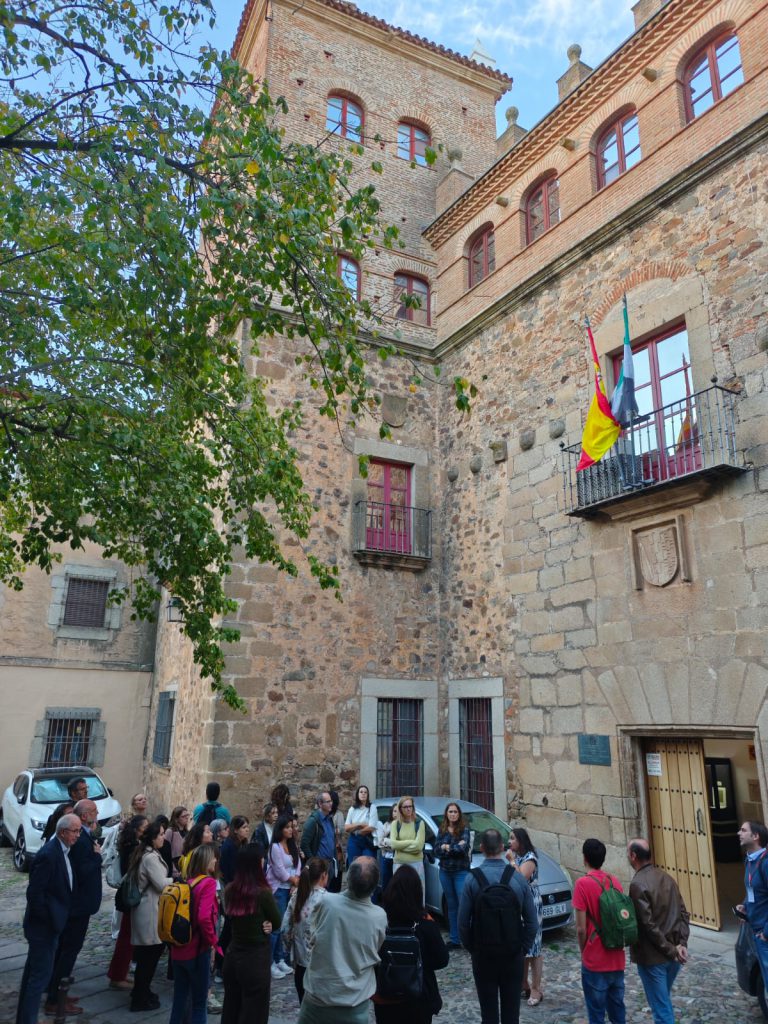
To close the technical sessions, participants joined “The NANBIOSIS Contest”, an interactive Kahoot-style quiz promoting engagement and friendly competition. In the evening, a guided cultural visit of Cáceres allowed attendees to explore the historic city’s UNESCO World Heritage old town.

Strengthening the NANBIOSIS Network

The final day, 24 October, saw participants returning to Madrid, concluding an event marked by enthusiasm, collaboration, and a strong sense of community across the infrastructure.

This internal networking event successfully:

  • Reinforced communication and coordination among NANBIOSIS Units.
  • Promoted awareness of each Unit’s services, equipment, and expertise.
  • Laid the groundwork for new interdisciplinary collaborations and new CEBS.
  • Highlighted the role of NANBIOSIS as a national and international reference in biomedical innovation and nanotechnology.

What is NANBIOSIS?

The goal of NANBIOSIS is to provide comprehensive and integrated advanced solutions for companies and research institutions in biomedical applications. All of this is done through a single-entry point, involving the design and production of biomaterials, nanomaterials, and their nanoconjugates. This includes their characterization from physical-chemical, functional, toxicological, and biological perspectives (preclinical validation).

Leading scientists

The main value of NANBIOSIS is our highly qualified and experienced academic scientists, working in public institutions, renowned universities and other research institutes.

Custom solutions

Designed for either scientific collaboration or the private industry, we adapt our services to your needs, filling the gaps and paving the way towards the next breakthrough.

Cutting-Edge facilities

Publicly funded, with the most advanced equipment, offering a wide variety of services from synthesis of nanoparticles and medical devices, including up to preclinical trials.

Standards of quality

Our services have standards of quality required in the pharmaceutical, biotech and medtech sectors, from Good Practices to ISO certifications.

In order to access our Cutting-Edge Biomedical Solutions with priority access, enter our Competitive Call here.

NANBIOSIS has worked with pharmaceutical companies of all sizes in the areas of drug delivery, biomaterials and regenerative medicine. Here are a few of them:
Read More

The revolutionary path of research in NANBIOSIS and advice on Woman’s Day 2024

Our interview series delve into the journeys of 7 female researchers, their challenges, and the call for gender equality in science, inspiring the next generation.

March 8th 2024, NANBIOSIS (Spain)

Kicking off on 11F “International Day of Women and Girls in Science” 2024, and spanning all the way until Woman’s Day 2024, our interview series has aimed to highlight the life, career and opinions of some of the brilliant minds within our network. Today is time to wrap it up, and for this reason we present you a summary of each of them and a chance to take a deeper look.

In these series we delved into the remarkable journeys, research endeavors, and challenges faced by these exceptional women in their pursuit of scientific excellence. From unraveling the mysteries of nanotechnology to pioneering advancements in biosciences, each researcher’s story resonates with perseverance, resilience, and a fervent commitment to breaking barriers. With no doubt their collective message resonates loudly: a call to inspire and empower the next generation of aspiring researchers, regardless of gender, to embark on their own transformative journeys in the world of science and innovation, as well as speaking out on the issues that female researchers still encounter today.

Anna Aviñó speaks about her journey as a researcher and her captivating oligonucleotides.

“Oligonucleotides (…) are recently being approved as new advanced gene therapies for many diseases, including rare and cardiovascular diseases.”

—Dr. Anna Aviñó, scientific coordinator of Unit 29.

Our leading chemist, specialized in nucleic acid chemistry, was the first interview published in these series. She offered us insights into her current projects focused on synthetic and structural studies of oligonucleotides. With a deep understanding of their applications in gene therapies and biosensors, Dr. Aviñó highlighted her contributions to the field and addressed challenges faced as a woman scientist.

Through her expertise and dedication, she advocates for gender equality in science, emphasizing the importance of unbiased education and empowering young women to pursue careers in research.

You can read the full interview here.

Dr. Martín tells us about her innovations in cancer treatment with nanoparticles.

“There are challenging moments during a scientific career (…), but in the end, persistence pays off.”

—Dr. Ana Martín, collaborator scientist in Unit 9.

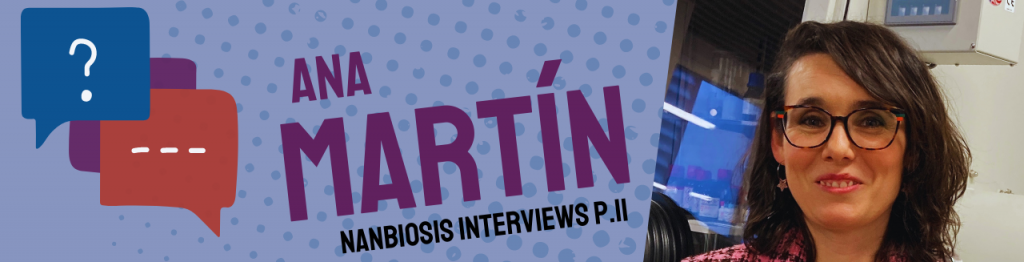
Ana has a multifaceted background spanning Veterinary Medicine, Biochemistry, and a Ph.D. And in this second part of our series she welcomed us into a world of scientific inquiry and innovation. In this interview, Ana shared her pioneering work in cancer research, utilizing nanoparticles for anti-tumor treatments. Ana also reflected on gender equality in science, the challenges of balancing motherhood with a scientific career, and her aspirations for a more inclusive scientific community.

You can read the full interview here.

Prof. Peña gave us her insightful point of view in overcoming challenges, embracing passion, and cultivating collaborative success towards career estabilization.

“The most important thing in your professional career is to dedicate yourself to something you love (…) that’s incredibly important from a professional point of view.”

—Prof. Estefanía Peña, Scientific Coordinator of Unit 13.

In a captivating interview, Professor Estefanía Peña shared her insights on overcoming challenges, nurturing passion, and fostering collaborative success in achieving career stability. Amidst the bustling R&D environment, Professor Peña’s laboratory serves as a beacon of innovation and determination. With enthusiasm and warmth, she discussed her journey in computational modeling and biomedical engineering, highlighting her experiences, hurdles, and victories. Professor Peña’s story resonates as a testament to perseverance and dedication, offering valuable advice to aspiring researchers on following their passions.

You can read the full interview here.

Our expert in nanocarriers talks about her journey from biotechnology to cancer therapy, an example of passion and perseverance in science.

“I am fortunate to be able to devote myself to something I am passionate about. Research is something I enjoy every day.”

—Dr. María Sancho, Researcher at Unit 9.

Dr. Sancho, our expert in nanocarriers and cancer therapy, shared with us her inspiring journey from biotechnology to groundbreaking research. Set in Zaragoza, Spain, the interview highlighted Maria’s passion and perseverance in pursuing scientific excellence. With warmth and enthusiasm, she discussed her innovative work in developing nanocarriers for targeted drug delivery in cancer treatment. Maria’s story serves as a beacon of inspiration for aspiring scientists, showcasing the transformative power of dedication and curiosity in the pursuit of scientific advancement.

You can read the full interview here.

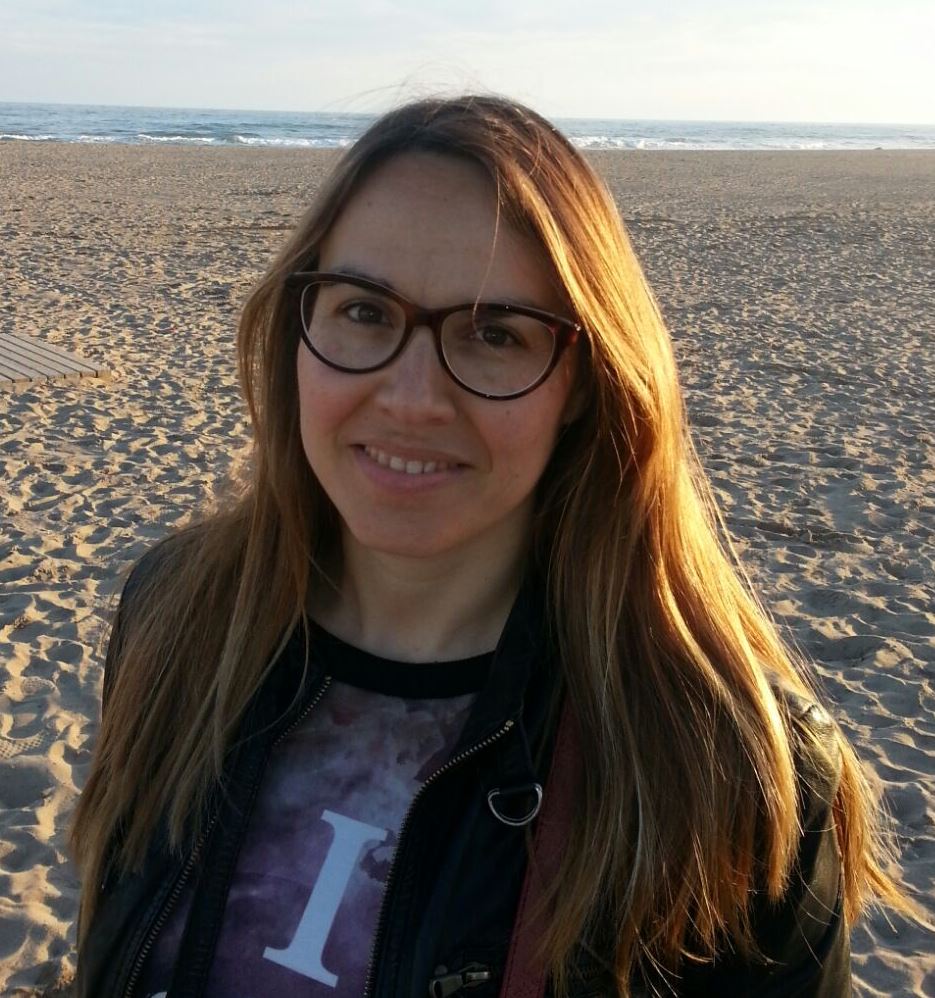
Dr. Vílchez, our esteemed colloidal chemistry researcher, discusses her focus on water-in-water emulsions and microcoacervates. She highlights gender biases in science and advocates for inclusivity and recognition of women’s contributions.

“I would advise (young women) to pursue their dreams, to show others what they are capable of, and not to let themselves be underestimated.”

—Dr. Susana Vílchez, technical and quality manager of Unit 12.

Dr. Vílchez offered a profound insight into her research endeavors and career trajectory. Specializing in the characterization of colloidal systems such as micelles, vesicles, emulsions, and more, her current focus lies on the intriguing realm of water-in-water emulsions and the formation of microcoacervates, serving as a model for membraneless organelles (MLO) by introducing DNA into these emulsions. During the interview, Dr. Vílchez also shed light on the gender biases prevalent in her field and offered invaluable perspectives on fostering gender equality in science. Through her experiences and unwavering dedication, she inspires young women to pursue their scientific aspirations while advocating for broader inclusivity and recognition of women’s contributions in shaping the scientific landscape.

You can read the full interview here.

Dr. Mincholé discusses cardiac risk assessment, gender challenges in science, and the transformative potential of Digital Twins in healthcare research.

“(I) design and work on a research line that combines computational models with cardiac signals and images. This was done with the aim of stratifying arrhythmic risk and understanding its mechanisms.”

—Dr. Ana Mincholé, researcher at Unit 27.

In this part 6 of our interview series, Dr. Ana Mincholé discussed her groundbreaking work in cardiac risk assessment, gender challenges in science, and the transformative potential of Digital Twins in healthcare research. Dr. Mincholé’s insights offered a glimpse into her innovative approach to integrating computational models with clinical data to advance cardiac care. Her passion for science and dedication to promoting diversity in STEM shine through, underscoring the invaluable contributions of women in the field.

You can read the full interview here.

As a bosus, we have recently published the last of our interviews in our YouTube channel.

In this part VII, we had the pleasure to interview Dr. Eli Prats, a brilliant researches from Unit 8 and a fantastic science communicator. Watch it full here:

About NANBIOSIS:

The goal of NANBIOSIS is to provide comprehensive and integrated advanced solutions for companies and research institutions in biomedical applications. All of this is done through a single-entry point, involving the design and production of biomaterials, nanomaterials, and their nanoconjugates. This includes their characterization from physical-chemical, functional, toxicological, and biological perspectives (preclinical validation).

In order to access our Cutting-Edge Biomedical Solutions, place your request here.

NANBIOSIS has worked with pharmaceutical companies of all sizes in the areas of drug delivery, biomaterials and regenerative medicine. Here are a few of them:
Read More

Women in NANBIOSIS part 5: Susana Vílchez and her insights on water-in-water emulsions and gender equality in Science

Dr. Vílchez, our esteemed colloidal chemistry researcher, discusses her focus on water-in-water emulsions and microcoacervates. She highlights gender biases in science and advocates for inclusivity and recognition of women’s contributions.

This is part of a series of interviews to several female researchers within the context of International Day of Women and Girls in Science 2024 and Woman’s Day 2024. For more interviews, visit our news section here.

March 2024, IQAC-CSIC, Barcelona (Spain)

Dr. Susana Vílchez, an esteemed researcher in colloidal chemistry, and the technical and quality manager of Unit 12 of NANBIOSIS, offers a profound insight into her research endeavors and career trajectory. Specializing in the characterization of colloidal systems such as micelles, vesicles, emulsions, and more, her current focus lies on the intriguing realm of water-in-water emulsions and the formation of microcoacervates, serving as a model for membraneless organelles (MLO) by introducing DNA into these emulsions. As we delve into her motivations, achievements, and challenges within the scientific domain, Dr. Vílchez sheds light on the gender biases prevalent in her field and offers invaluable perspectives on fostering gender equality in science. Through her experiences and unwavering dedication, she inspires young women to pursue their scientific aspirations while advocating for broader inclusivity and recognition of women’s contributions in shaping the scientific landscape.

Could you share with us a bit about your research area and the projects you are currently working on?

“My research area is colloidal chemistry, specifically the characterization of colloidal systems such as micelles, vesicles, emulsions, gels, liquid crystals, etc. One of the projects I’m working on involves water-in-water emulsions and the formation of microcoacervates by adding DNA to these emulsions. These microcoacervates can be used as a model for so-called membraneless organelles (MLO).”

What motivated you to choose a career in research?

“Since I was little, I’ve always liked knowing the reason behind things. I remember I really enjoyed a series of cartoons that dealt with the human body, as well as other TV shows like ‘El hombre y la Tierra’  (The Man and the Earth) and ‘El mundo submarino’ (The Underwater World).”

What do you consider to be your greatest achievement or contribution in your field?

“I have contributed to the training of undergraduate and master’s degree students. I have tried to help them see their potential to develop as future scientists.”

Have you experienced any gender bias or added difficulties in your scientific career? How have you addressed this situation?

“Within my area of research, there has been more support for the scientific careers of men than women. Men are attributed greater capability while women are seen as putting in more effort. To address this situation, I have tried to educate myself in areas that help me better develop my work, such as improving my communication skills, learning to manage stress, and becoming more resilient.”

How do you think gender stereotypes in the scientific field can be overcome?

“To overcome gender stereotypes in the scientific field, I believe we should approach the issue as a whole, from all sides. Firstly, we should strive to eliminate bias in education, both at the family level and in primary and secondary education. Secondly, we should avoid perpetuating gender stereotypes through media, social networks, video games, etc.”

What changes would you like to see in the scientific world to promote gender equality?

“I would like to see more support for women’s scientific careers. Despite policies aimed at reducing inequalities between men and women in the scientific world, men still predominantly occupy leadership positions. I would like to see greater inclusion of women to motivate them to pursue their scientific careers.”

I would advise (young women) to pursue their dreams, to show others what they are capable of, and not to let themselves be underestimated.

—Dr. Susana Vílchez, technical and quality manager of Unit 12.

What advice would you give to young women who are considering pursuing a career in science?

“I would advise them to pursue their dreams, to show others what they are capable of, and not to let themselves be underestimated. Our goals and purpose in life can be achieved with perseverance and effort.”

How do you think we can encourage more women and girls to participate in science?

“By promoting awareness in schools and high schools about the importance of science for society. I would also advocate for more scientific outreach programs in the media, television, radio, etc. Additionally, I believe it’s crucial to highlight the contributions of women in science, providing girls with female role models in the scientific world.”

For more interviews like this, visit our news section here.

Additional information:

The goal of NANBIOSIS is to provide comprehensive and integrated advanced solutions for companies and research institutions in biomedical applications. All of this is done through a single-entry point, involving the design and production of biomaterials, nanomaterials, and their nanoconjugates. This includes their characterization from physical-chemical, functional, toxicological, and biological perspectives (preclinical validation).

In order to access our Cutting-Edge Biomedical Solutions, place your request here.

NANBIOSIS has worked with pharmaceutical companies of all sizes in the areas of drug delivery, biomaterials and regenerative medicine. Here are a few of them:
Read More

‘Magic Bullets’ Against Cancer: Unveiling the Potential of DNA Nanoparticles

DNA nanoparticles to selectively target tumor tissues through precise control of the synergies between transported drugs.

February 2024, IQAC-CSIC/CIBER-BBN, Barcelona. The team led by Drs. Carme Fàbrega and Ramón Eritja, in close collaboration with 3 units of the NANBIOSIS ICTS, has developed a new strategy to improve the efficacy and reduce the toxicity of anticancer drugs. They have chemically linked several cytotoxic drugs, currently used in the treatment of various types of tumors, to DNA nanostructures. These structures selectively target cancerous tissues through folate receptors. This tactic allows precise control of drug concentration and exploits their combined effect. The results of this study represent a significant step forward towards the development of more effective and safer cancer treatments. This year 2024, they published their study in the Nanomedicine journal by Elsevier.

“The ‘Magic Bullet’ of Dr. Ehrlich” is not the title of an old pulp magazine. Rather, it is the concept that the German physician and Nobel Prize winner coined to refer to an ideal therapeutic agent capable of acting specifically against a particular disease without affecting healthy cells.

In the case of cancer therapies, we are far from reaching that magic bullet. However, science is bringing us closer to it every day.

Many current anticancer drugs are designed to intercalate into the DNA of cells and alter their function, inducing cell death. One of the most significant problems with these therapies is their adverse effects, as these drugs can also affect non-tumor cells. One way to compensate for this is by combining multiple drugs, creating synergies between them. However, this often greatly hinders both drugs from reaching the target tissue at the appropriate concentrations to exert their synergy.

A strategy to approach the concept coined by the Nobel Prize involves selectively directing drugs towards cancerous tissues and releasing them in a controlled and localized manner. This increases their concentration in the tumor area, reducing the effect on the rest of the organs and tissues.

Thanks to the ability of many drugs to intercalate into DNA, one of the most promising vehicles are DNA nanostructures. These artificially constructed nanocarriers can retain the drug and, due to their enormous versatility, can be designed to selectively target the tumor. Once there, they release the drug in a controlled manner into the cancer cells, ensuring that healthy tissues are not exposed to a toxic concentration of the drug.

However, these DNA nanocarriers face several challenges: low internalization in diseased cells, low selectivity of the target tissues, or limited control over the amount of drug loaded inside and how it binds. Additionally, they only allow the transport of DNA intercalating drugs, limiting the range of applicable therapies.

In a recent study published in the Nanomedicine journal by Elsevier, the team led by Dr. Carme Fàbrega and Dr. Ramón Eritja, in close collaboration with 3 units of the NANBIOSIS ICTS, present a new approach [1]. Through a strategy to control the binding of the drug and its concentration within their DNA nanostructures, they have succeeded in increasing efficacy and reducing toxicity.

Instead of intercalating the drugs as usual, the researchers chemically conjugated each drug to a piece of the puzzle that would later form the nanostructure. They managed this way to precisely attach three anticancer drugs to their vehicles, each of them acting on a different anticancer mechanism and promoting a synergistic effect between them. Additionally, they achieved selective targeting by binding their nanostructures to folate receptors, expressed massively in a wide variety of tumor types.

This pioneering methodology is capable of attaching multiple drugs to DNA nanostructures, each at predetermined concentrations. This represents a leap forward in advancing towards the generation of that effective and harmless magic bullet that Dr. Ehrlich envisioned.

References

[1] Natalia Navarro, Anna Aviñó, Òscar Domènech, Jordi H. Borrell, Ramon Eritja, Carme Fàbrega, Defined covalent attachment of three cancer drugs to DNA origami increases cytotoxicity at nanomolar concentration, Nanomedicine: Nanotechnology, Biology and Medicine, Volume 55, 2024, 102722, ISSN 1549-9634, DOI: 10.1016/j.nano.2023.102722.

Additional information

In this project, three NANBIOSIS units have collaborated: Unit 12, with a characterization and scientific advisory role; Unit 18, providing one of the nanotoxic drugs; and Unit 29, contributing to the synthesis of oligonucleotides.

The goal of NANBIOSIS is to provide comprehensive and integrated advanced solutions for companies and research institutions in biomedical applications. All of this is done through a single-entry point, involving the design and production of biomaterials, nanomaterials, and their nanoconjugates, along with their characterization from physical-chemical, functional, toxicological, and biological perspectives (preclinical validation).

In order to access our biomedical Solutions, apply here.

NANBIOSIS has worked with pharmaceutical companies of all sizes in the areas of drug delivery, biomaterials and regenerative medicine. Here are a few of them:
Read More

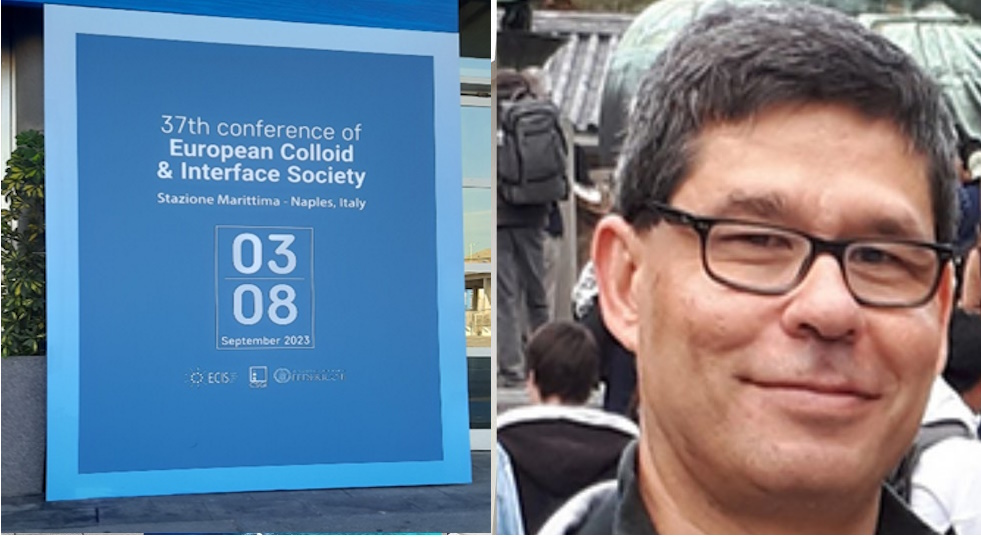
Carlos Rodriguez-Abreu (NANBIOSIS U12) keynote speaker at the European Colloid and Interface Society ECIS 2023


Carlos Rodriguez-Abreu, Scientific Director of NANBIOSIS U12 Nanostructured liquid characterization unit  gave a Keynote presentation entitled “Chromonic liquid crystal emulsions” at the European Colloid and Interface Society ECIS 2023 conference held in Naples, Italy (September 3-8, 2023) . Chromonic liquid crystals (CLC) can be used as templates for material synthesis and, since some CLC are nontoxic and water-based, they are also interesting for biological and medical applications. The presentation included a summary of experimental results on internally structured emulsions made of CLC encapsulated in droplets, that feature various complex morphologies. Photothermal, sensing and imaging applications are envisaged.

Read More

Happy Day of Chemistry! The role of Chemistry in a sustainable research in health

Today, November 15 is a day of celebration for us, the Day of the Chemistry in Spain!

Chemistry is the science that studies matter, how it is composed, its properties and how its structures are transformed and, as matter is everything, including living beings and ourselves, we can say that chemistry is omnipresent and transversal in all areas surrounding us. Chemistry is everywhere, we ourselves are chemistry and our health and our life is chemistry.

Everything around us is chemistry in the environment, foods, what we use and what we touch every day. Our own body is a sophisticated complex factory with an infinite number of chemical processes taking place on a perfect and synchronized manner”- points Pilar Marco, Scientific Director of NANBIOSIS U2 Custom Antibody Service (CAbS) from CIBER-BBN at IQAC-CSIC.

The crucial role of chemistry in everyday life is also evidence in the development of current technology and the economy. According the VCI Prognos Study, the Global growth forecast for Industrial Sectors, places the chemical industry in the fist position. As far as national picture, the INE Statistics on R+D Activities 2020 -last publish report-, chemical and pharmaceutical industry employs the 22,2 % of research staff recruited and the investment and expenditure on the chemical and pharmaceutical industry represents the 23,6% R+D and Innovation -above the motor vehicles industry.

Thanks to chemical and pharmaceutical research,

medicines, vaccines and health products have made great strides in fighting diseases and improving quality of life. Thanks to chemical and pharmaceutical medicine research, in few years, it will be possible, for example, to count on smart implants delivering personalised drugs only where cancer or infections are detected or biosensors circulating in our body to find diseases only one week after infection.

At the Institute of Advanced Chemistry of Catalonia, four NANBIOSIS units of CIBER-BBN use chemistry to deliver new therapeutic and diagnostic approaches that improve the quality of life of the society.

One of the research lines of the Nb4D group-U2 CabS at IQAC-CSIC (led by Pilar Marco and Nuria Pascual) focuses on the chemical signals that bacteria emit to communicate with each other and thus develop virulence mechanisms. Their knowledge will allow the development of new therapeutic and diagnostic strategies to mitigate the serious problem of antimicrobial resistance.

NANBIOSIS U3 Synthesis of Peptides UnitMS4N group, led by Miriam Royo, explores the use of diverse types of chemical multivalent platforms (oligomers, dendrimers, polymers, micelles and lipid nanovesicles) for the development of drug delivery systems for cancer treatment, protein delivery systems for the treatment of lysosomal diseases and macromolecular compounds that have intrinsically therapeutic properties with application to central nervous system diseases.

Chemistry plays an essential role in helping society achieve Sustainable Development Goals (SDGs)

In 2015 the United Nations created a universal call to action to end poverty, protect the planet, and ensure that all people enjoy peace and prosperity by 2030. This framework, comprising 17 aspirational goals known as the Sustainable Development Goals (SDGs)

Chemistry is key to achieve the SDG 3: Good Health & Well-Being with the development of new technologies that will provide a deeper understaunding of human health, making posible better, cheeper and faster medical diagnosis and treatmens.

In this sense, Carlos Rodriguez Abreu, Scientific Director of NANBIOSIS Unit for the characterization of nanostructured liquids (U12) explains: “The goals of sustainable development are producing a shift towards surfactants not based on petroleum derivatives, but derived from other raw materials that are more biocompatible and that allow a circular economy that is less aggressive with the environment. Quality control is necessary with regard to the properties of the products that contain surfactants, such as the droplet size in emulsions, the particle size in suspensions, their colloidal stability over time, among others. Additionally, products must be precisely formulated to optimize the use of raw materials and obtain the desired properties. In this context, the NANBIOSIS U12, acredited with ISO 9001:2015 by AENOR, offers a wide range of advanced analysis techniques for the determination of different colloidal properties such as droplet size and particle size, colloidal stability, viscosity, surface tension, pore size distribution, and determination of phase behavior and structure for the tailor-made formulation of surfactant and colloid systems for pharmaceutical and biomedical applications.

The Nucleic Acid Chemistry group at IQAC-CSIC – NANBIOSIS U29 Oligonucleotide Synthesis Platform (OSP) is developing new compounds based in DNA and RNA to detect and treat diseases participating in several projects with several research and industrial partners such as La Marato de TV3 (Covid), Oligofastx, Caminan2, Osteoatx. These new drugs use the natural mechanisms for gene regulation to treat undruggable diseases such Muscular dystrophy and others. Importantly special attention is made to design novel synthetic protocols to produce less organic waste what contributes to the sustainable development. 

We wish to all the family of chemistry professionals new projects and inspiration to achive humans Good Health & Well-Being and keep the world moving!

And Happy Chemistry Day, too, for all the chemistry enthusiasts!

Read More

1st Nanomedicine Forum of CIBER-BBN/NANBIOSIS and CSIC Nanomed Conection

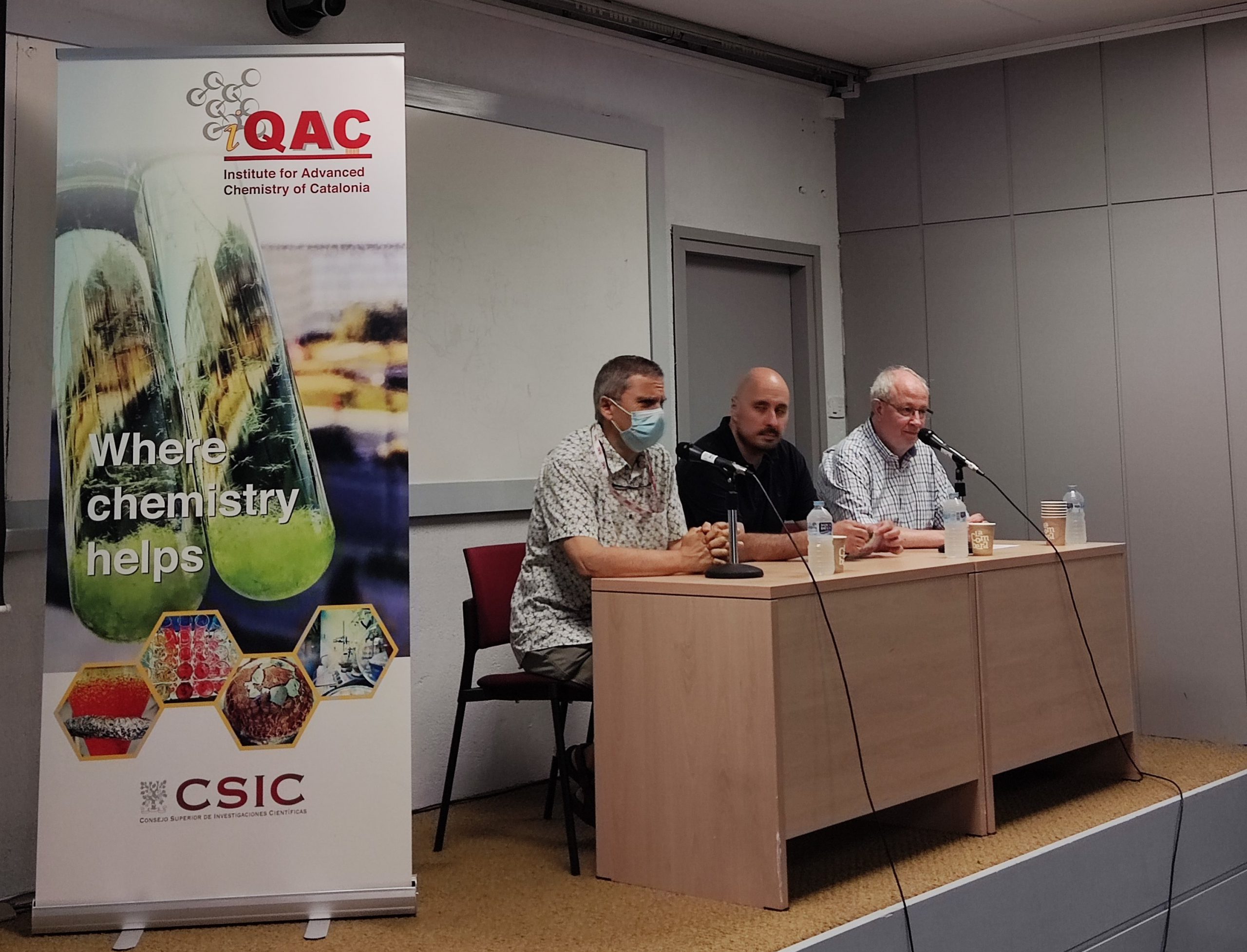
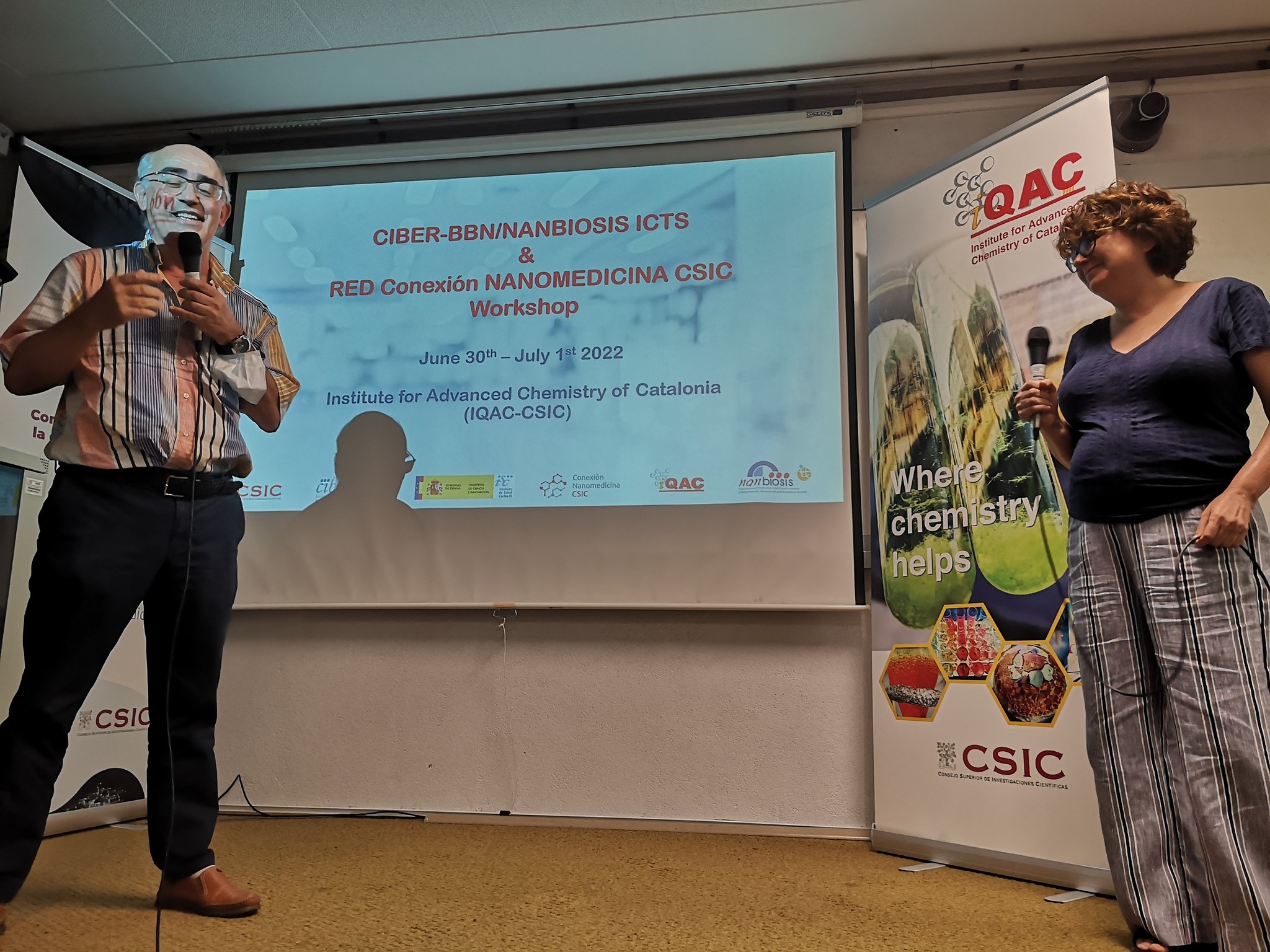
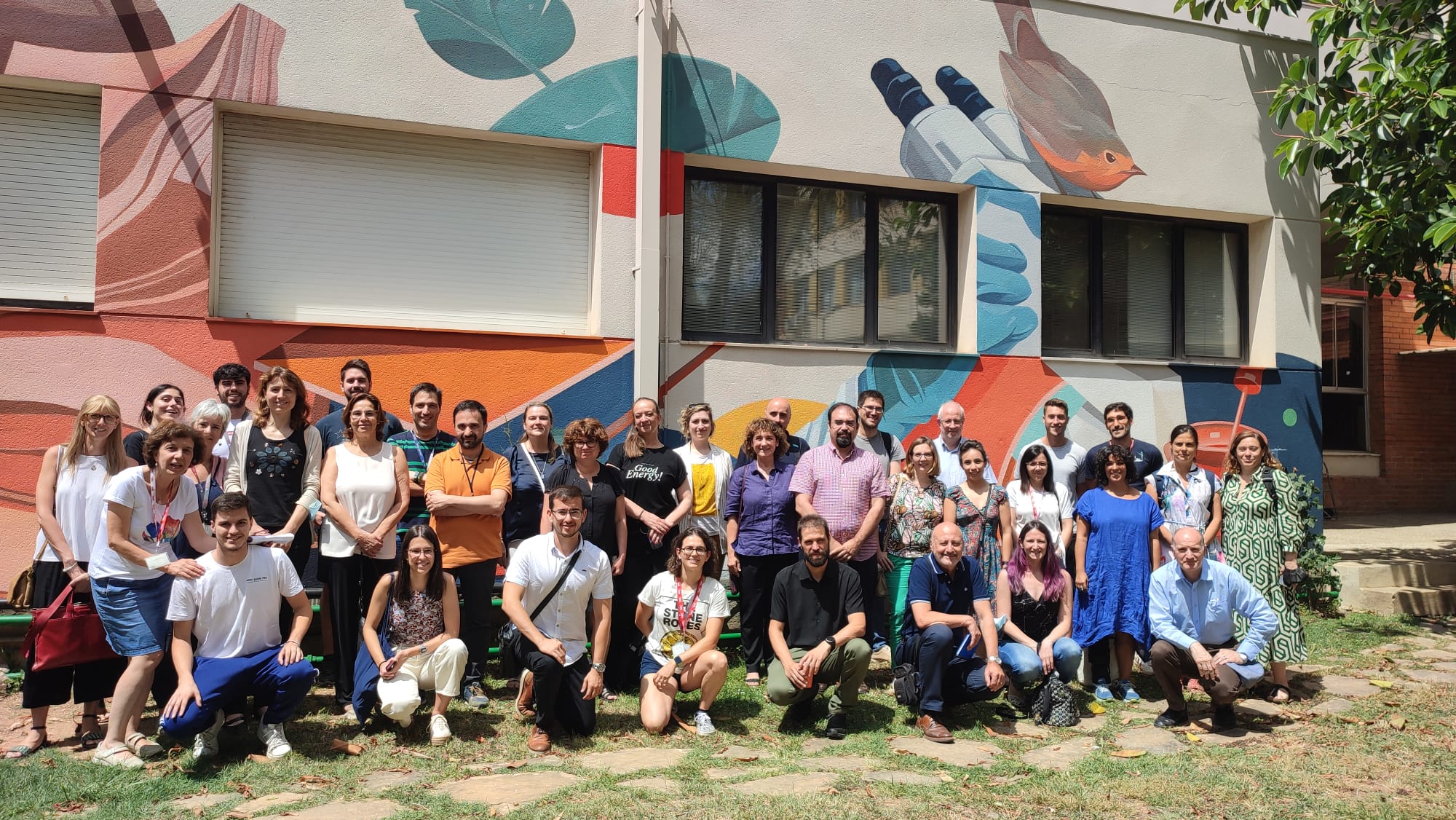
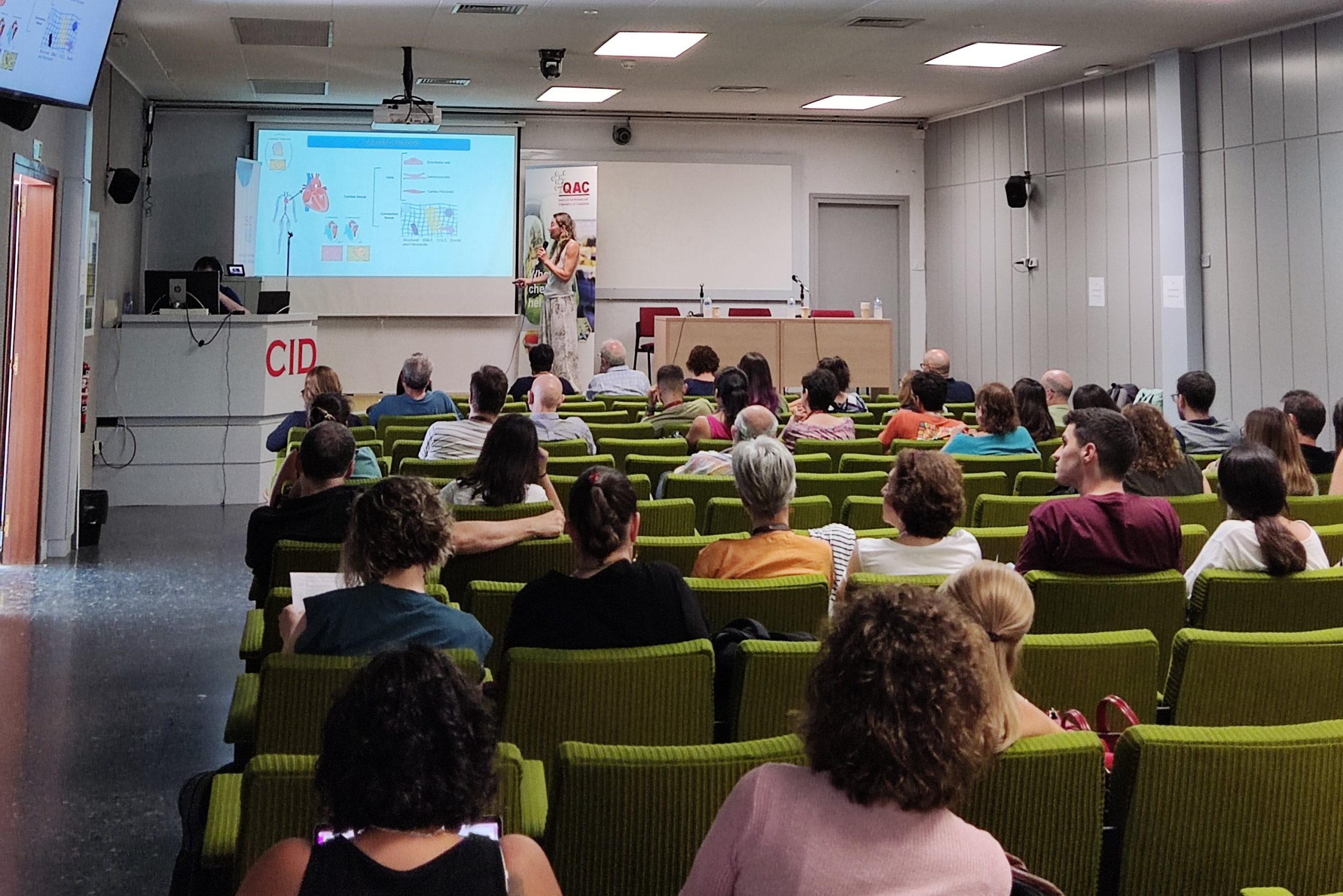
During the days 30 of June and 1st of July took place in Barcelona, in the auditorium of the Institute of Advanced Chemistry of Catalonia (IQAC-CSIC), the 1st Forum on Nanomedicine gathering scientists from the CSIC net Nanomed Conection and from the CIBER-BBN and its ICTS NANBIOSIS.

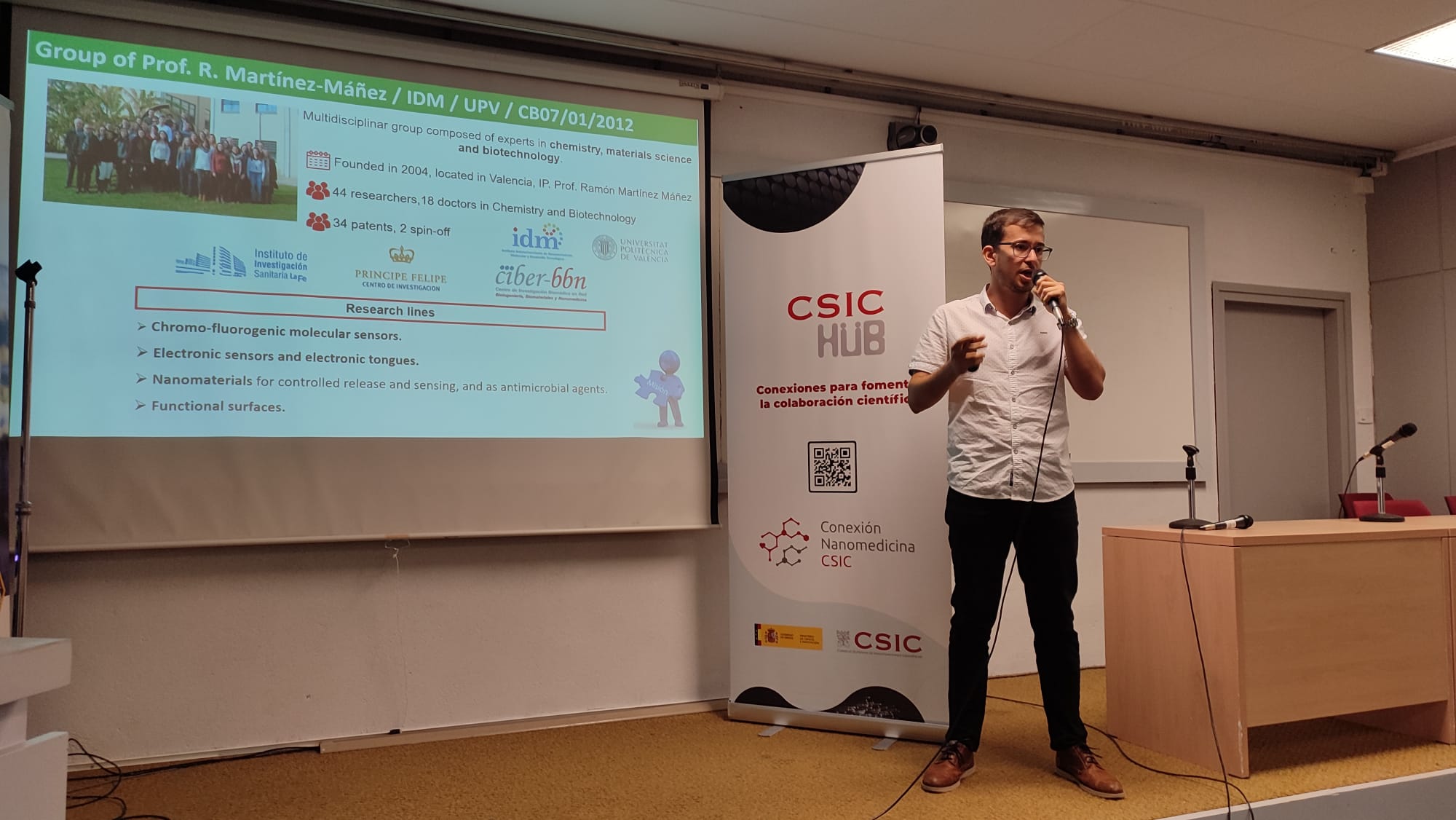
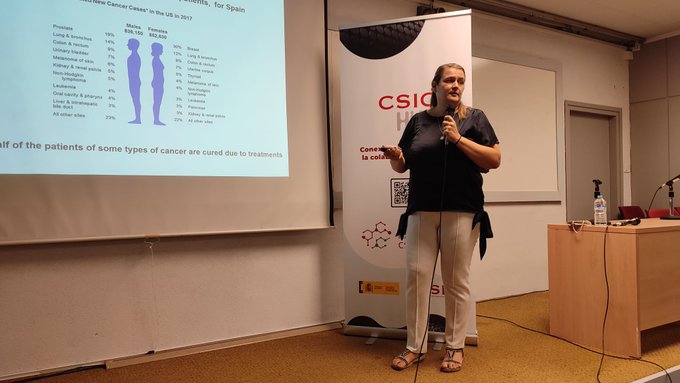
This forum brought toguether researchers from the most eminent national research centers in nanomedicine, that during the two days meeting presented their works and findings and discussed the impact of nanomedicine in the fields of drug delivery, diagnosis and therapy.

The workshop was open by the Director of IQAC-CSIC,  Jesús Joglar, the  Scientific Coordinator of Nanomed Conection, Fernando Herranz, and the Scientific Director of CIBER-BBN, Ramón Martínez Máñez.

18 research groups gave their talks distributed in four sessions:

  • Nanobiotechnological solutions for diagnosis and therapy
  • Drug delivery nanosystems
  • Applications for oncology 
  • Nanomedicine & other frontier applications

The presentations aroused great interest and futher debate among the attendees present in the auditorium (around 50) and the on line participants (The event was also broadcast online previous registration with more than 125 registrations received).

The videos of the presentations will be soon available in the NANBIOSIS youtube channel.

Here we highlight the eight talks by researchers from NANBIOSIS units:

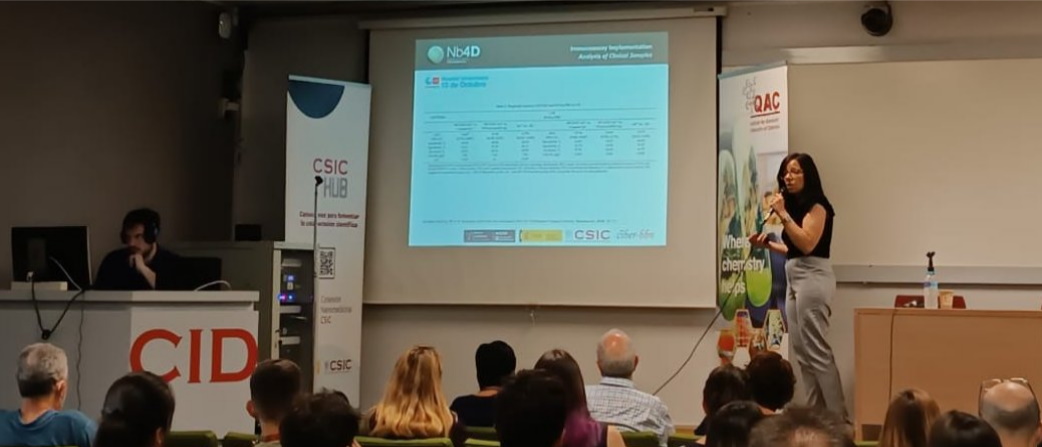
The first session of Nanobiotechnological solutions for diagnosis and therapy,  started  with the talk by Montserrat Rodríguez from Nb4D group NANBIOSIS U2 CAbS, from CIBER-BBN and IQAC-CSIC, entitled “Targeting aromatic amino acid metabolism for the early diagnosis of neurological diseases”, presenting their results on in vitro samples, on thermal power characterization experiments to study the thermal efficiency of non-sinusoidal stimulation and on efficiency characterization experiments in cell cultures with cancer cell liness.

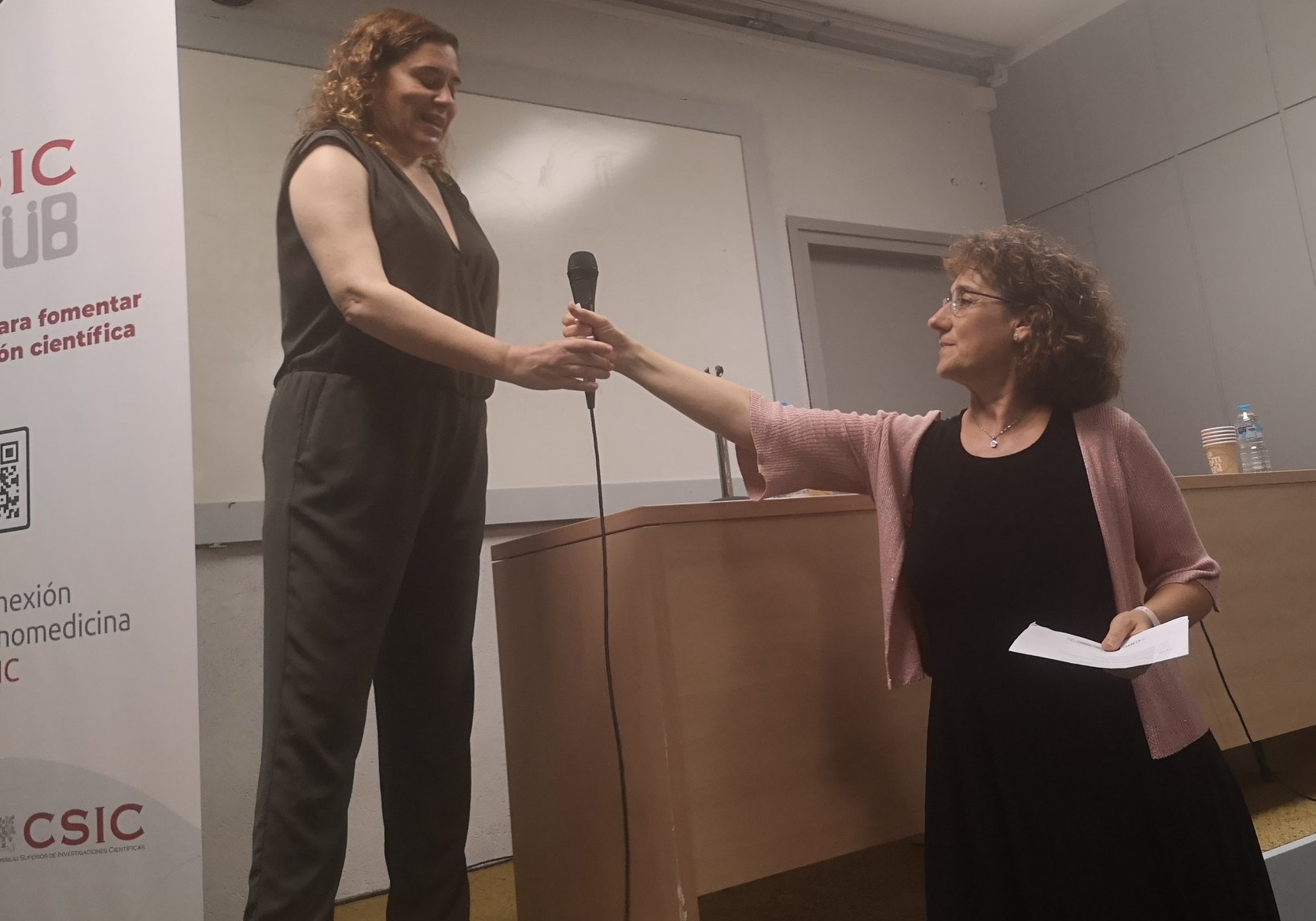
Also in this session chaired by Miriam Royo, Scientific Coordinator of NANBIOSIS U3 Synthesis of Peptides Unit of  CIBER-BBN and IQAC-CSIC,  took place an interesting and passionate talk by Ramón Eritja, Scientific Director of NANBIOSIS U29 Oligonucleotide Synthesis Platform (OSP)

In the last years, interest in therapeutic applications of oligonucleotides has increased enormously, especially after the development of messenger RNA vaccines in response to the COVID-19 pandemic. In this way, metabolic diseases such as dyslipidemia and hereditary diseases such as Duchenne muscular dystrophy have been successfully addressed. The NANBIOSIS  Oligonucleotide Synthesis Platform (OSP) focuses on the design, synthesis and characterization of modified oligonucleotides, in order to enhance the therapeutic properties of the oligonucleotides and to improve the control of gene expression. Ramon Eritja presented their most recent results in the development of new conjugates with antiproliferative activity and in the design of DNA probes for the detection of viral genomes.


In the session of “Nanomedicine and other frontiers applications”, chaired by María del Puerto Morales Herrero (ICMM-CSIC), Elena Martínez Fraiz,  from the Nanobioengineering group of CIBER-BBN and IBEC running NANBIOSIS Unit 7 of Nanotechnology, presented  a nanostructured surface able to produce multivalent effects of surface-bound ephrinB1 ligands on the dynamics of oligomerization of EphB2 receptors  whic can benefit applications such as the design of new bioactive materials and drug-delivery systems.

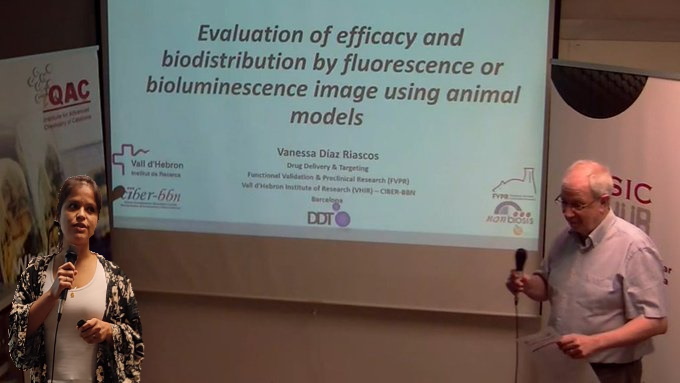
The session of Drug delivery nanosystems, chaired by Ramón Martínez Máñez, began with the talk by Vanessa Díaz Riascos, presesnting the in vivo efficacy, biodistribution and toxicity testing of nanomedicines at NANBIOSIS U20 FVPR, of CIBER-BBN and VHIR, explaining how their texting expertise and their in vivo and ex vivo fluorescence imaging techniques facilitate a rapid and efficient preclinical development of candidates, reducing considerably the time and costs of conventional developments.


Santiago Grijalvo Torrijo, from NANBIOSIS U12 Nanostructured liquid characterization unit expoke about Nano-emulsion-derived polymeric carriers for biomedical applications also discussing the impact of the protein corona on colloidal stability, antioxidant activities, cytotoxicity and cellular uptake of drug-loaded nanoparticles.

Antoni Llopis Lorente, (NANBIOSIS U26 NMR: Biomedical Applications II), expoke about Gated silica nanoparticles for controlled release. Chemical communication, based on the exchange of molecules as messengers, allows different entities to share information, cooperate and orchestrate collective behaviors. Communication using chemical messengers (such as neurotransmitters, hormones and pheromones) is the main way of communication across the natural world; yet engineering chemical communication between micro/nanosystems is a key emergent topic in micro/nanotechnology, biomimicry and related areas. Santiago explainined recent progress by their group in the development of engineered particles for chemical communication and nanomedicine applications.

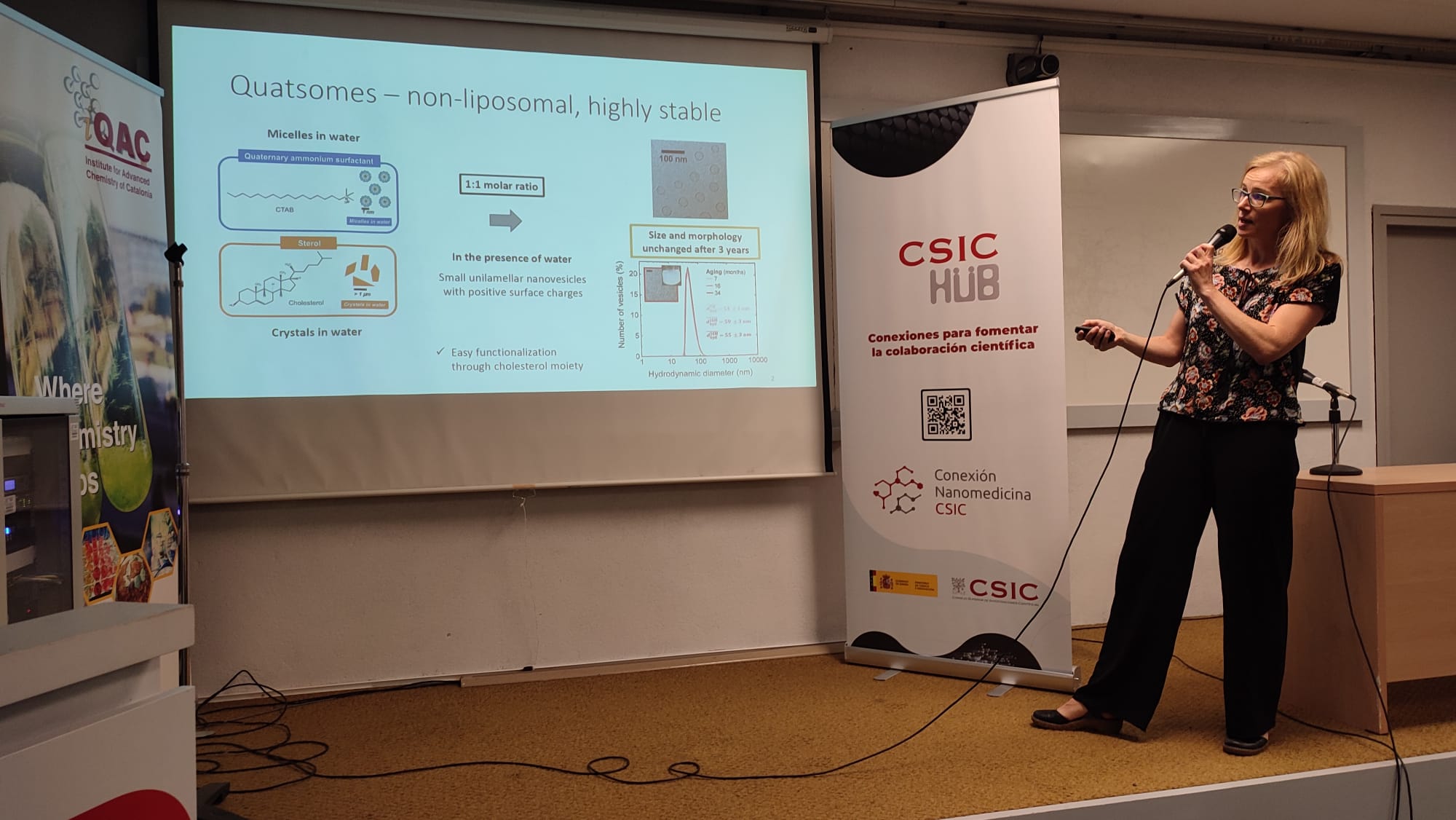
And closing the session, Mariana Köber (Nanomol Group –NANBIOSIS U6 of Biomaterial Processing and Nanostructuring Unit  from CIBER-BBN and ICMAB-CSIC) gave a talk on Quatsomes as versatile nanovesicles for biomedical applications.

In the session of Applications for Oncology, Pilar Martín Duque from NFP group – NANBIOSIS U9 Synthesis of Nanoparticles Unit of CIBER-BBN and INMA-CSIC, gave a very interesting talk explained their approach and recent progress on the search of trojan horses for an improved theragnosis of cancer.

Here we want to thank the Institute of Advanced Chemistry of Catalonia (IQAC-CSIC) for hosting this event and for the help in its preparation and development.

Read More

OPEN SUBMISSION FOR JOURNAL SPECIAL ISSUE ON OLIGONUCLEOTIDE BASED THERAPIES

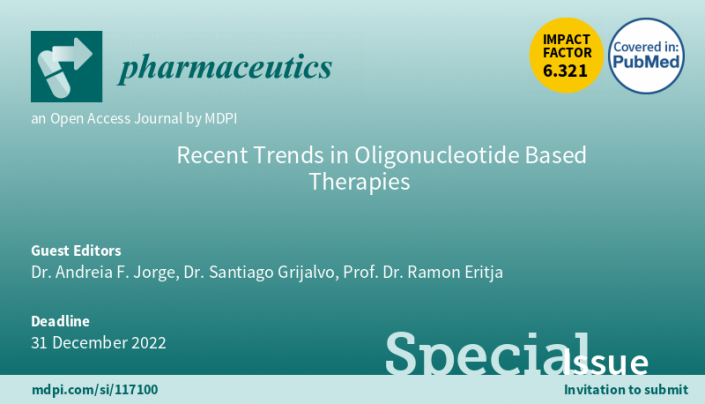
Dr. Ramon Eritja, Scientific Director of NANBIOSIS unit 29 of Oligonucleotide Synthesis Platform (OSP) and Dr. Santiago Grijalvo researcher at NANBIOSIS unit 12 of Nanostructured liquid characterization, from CIBER-BBN and IQAC-CSIC, together with Dr. Andreia F. Jorge, from Coimbra Chemistry Centre (CQC), acting as guest editors of journal Pharmaceutics, of MDPI Publisher, welcome authors to submit their articles on special issues on Recent Trends in Oligonucleotide Based Therapies.

In the past few decades, significant efforts have been made towards the clinical application of oligonucleotides. However, the potential of the therapeutic applications of RNA-based strategies have recently been spotlighted after the first approval of mRNA vaccines in response to COVID-19 pandemic. These molecules have the power to tackle targets that are usually considered to be “undruggable” by blocking the translation or transcription of a specific gene by stimulating the degradation of a particular messenger RNA.

This Special Issue aims to collect reviews, original research articles, and short communications covering innovative strategies in the design, synthesis, and characterization of therapeutic oligonucleotides as well as advances in their delivery based on nanotechnologies. Research concerning the study of sequence-specific protein–DNA/RNA interactions will be also considered.

Manuscripts should be submitted online at www.mdpi.com by registering and logging in to this website. Once you are registered, click here to go to the submission form.

For all the informations and instructions about the Special Issue, please visit this MDPI page

Deadline for submissions: 31 December 2022

Read More