

+34 620 10 75 37info@nanbiosis.com

News U12

News U12

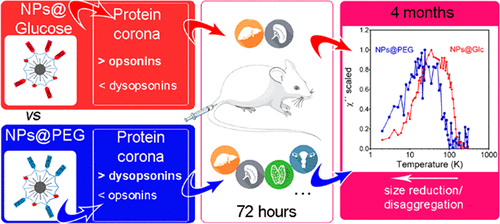
Effect of Surface Chemistry and Associated Protein Corona on the Long-Term Biodegradation of Iron Oxide Nanoparticles In Vivo

The results of the research carried out by Scientists of U12. Nanostructured liquid characterization unit, and CIBER-BNN, have been published in an article by ACS Applied Materials & Interfaces:
DOI: 10.1021/acsami.7b18648

Read More

Formulated Products: Enabling innovation through value chain and cross-sector collaboration

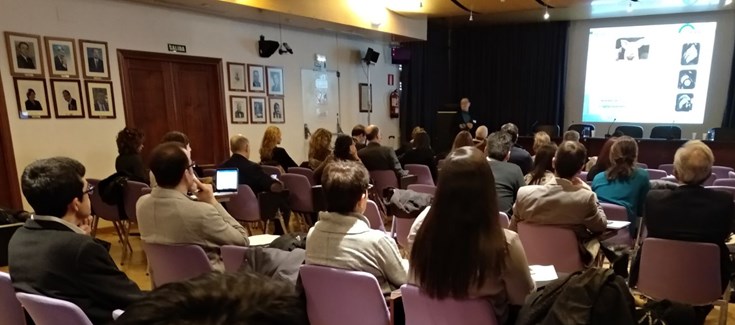
NANBIOSIS Unit 12. “Nanostructured liquid characterization unit” is co-organizing, next 28th May 2018, in Barcelona, the Workshop “Enabling Innovation through Value Chain and Cross-sector Collaboration” corresponding to the 5th Event of the Regional workshop series of the AceForm4.0 consortium (a coordination and support action (CAS) funded by the European Commission).

This event targets industrial and academic players interested in bringing formulation technologies to the next level through collaboration. The main purpose of the day is to validate the recommendations that will be presented to the European Commission (EC) as to what are the areas of research that should be prioritized in the coming framework programs in the context of formulated products. These recommendations, which been put together within the context of AceForm4.0, will be validated by participants during short discussion sessions.

During the day inspiring speakers from industry will help illustrate some of the technical challenges within specific industrial sectors or segments of the value chain while experienced representatives from academia will showcase examples from collaborative research projects in the area.

The event will be an excellent opportunity for networking with local and European players in the formulation area and to learn more about how to stay in touch by joining the EU-FIG (formulation-network.eu/members/join-the-eu-formulation-interest-group), the emerging European Formulation Interest Group.

During the event, it will be possible to:

  • Listen to inspiring speakers from industry who will illustrate some of the challenges (technical and others) within specific industrial sectors or segments of the value chain
  • Listen to experienced representatives from academia who will showcase examples from collaborative research projects in the area
  • Help validate the recommendations that will be presented to the European Comission (EC) as to what are the areas of research that should be prioritized in the coming framework programs in the context of formulated products
  • Network with local and European players in the formulation area
  • Learn more about how to stay in touch by joining the EU-FIG, the emerging European Formulation Interest Group

Registration (free of charge): please find the registration form here (deadline 21 May)

Venue: Abba Sants Hotel, Carrer de Numància, 32, 08029 Barcelona, Spain

Contact for questions: Isabel Mira, RISE, E-mail: info@formulation-network.eu, Mobile phone: +46 (0)768 64 60 64

Agenda


Read More

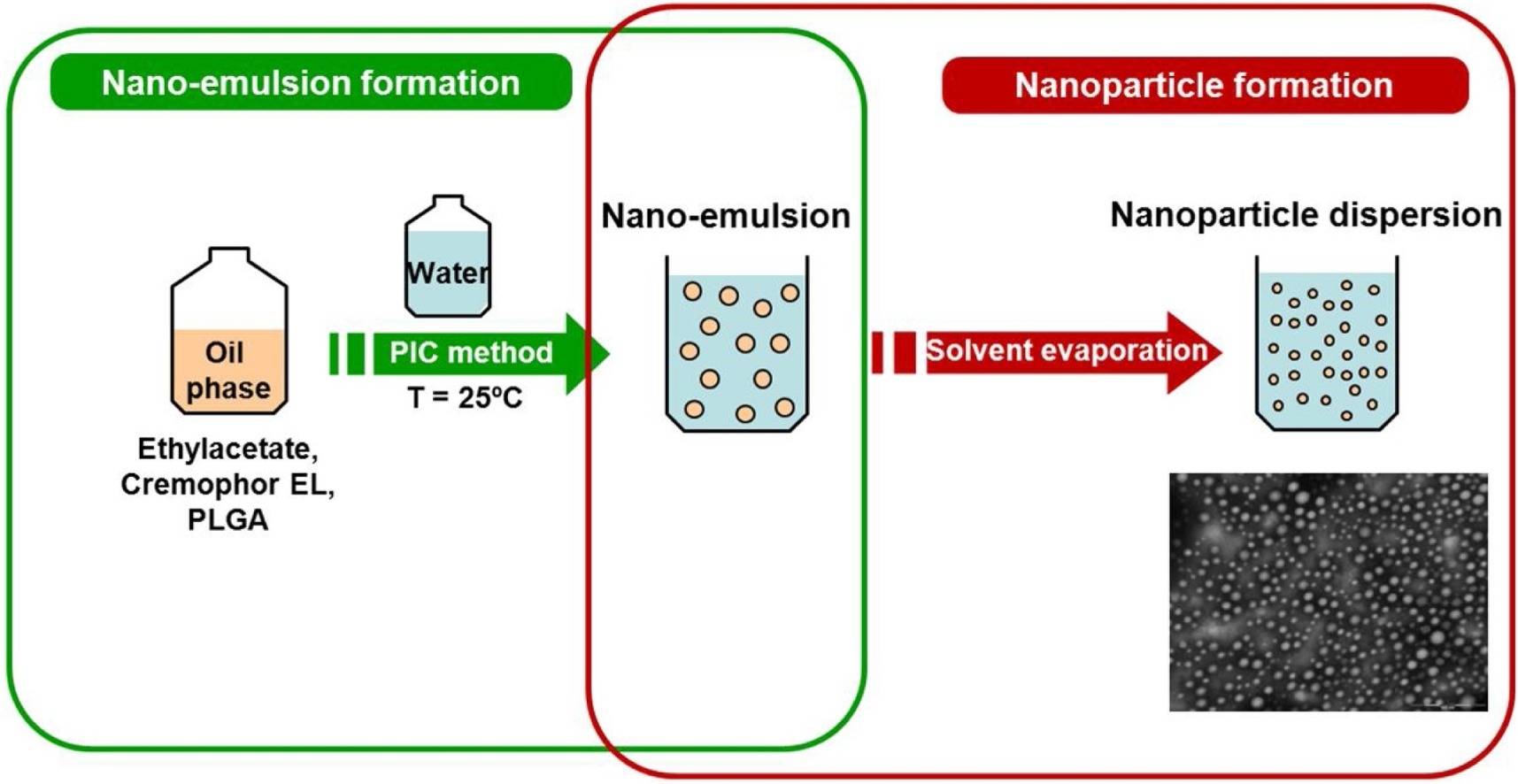
Influence of polymer concentration on the properties of nano-emulsions and nanoparticles obtained by a low-energy method

Scientists of NANBIOSIS U12. Nanostructured liquid characterization unit have recently published an article in  Colloids and Surfaces A: Physicochemical and Engineering Aspects

For further information


Read More

NANBIOSIS ICTS invites groups and companies to discuss Smart Biomaterials and devices for Drug Delivery

On February 22nd, the National School of Health of the Carlos III Health Institute hosted the forum on Smart Biomaterials and biomedical devices for applications in drug delivery and regenerative medicine, organized by the ICTS Nanbiosis, an infrastructure shared by the CIBER-BBN and the Center of Minimally Invasive Surgery Jesus Usón (CCMIJU). This is the first groups/companies meeting organized by Nanbiosis, in which about 70 B2B meetings  were held.

The meeting brought together about 40 participants from 14 research groups (from the CIBER-BBN and the CCMIJU) and 10 companies, which discussed the latest advances in the research lines developed by the groups and platforms of Nanbiosis and on the needs and demands of the industry in smart biomaterials and devices for targeted drug delivery and regenerative medicine.

Jesus Izco, Coordinator of Nanbiosis, presented the new Cutting-Edge Biomedical Solutions“, soon available on the ICTS website. These are integrated solutions to advanced challenges in nanomedicine, biomaterials, medical device, and diagnostic that can be developed by several units under a  one-stop shop model, optimized with the experience and scientific and technical knowledge of the research groups of excellence that manage the involved units. Some of the Cutting-edge biomedical solutions presented in the meeting were preclinical validation of biomaterials, mechanical and surface characterization, biocompatibility and studies of biofilm formation and infections.

The CIBER-BBN prsentations were: “Instructive materials for regenerative medicine” by Miguel Ángel Mateos (NANBIOSIS U5 IP: Elisabeth Engel); “Molecular biomaterials for drug delivery and biomedical applications” byNathaly Veronica Segovia (NANBIOSIS U6 / IP Jaume Veciana and Nora Ventosa); “Advances with micro-nano technologies for in vitro devices and point of care” by Rosa Villa (NANBIOSIS U8 ); “Development of new dosage forms for advanced therapies based on new biomaterials” by José Luis Pedraz (NANBIOSIS U10); “Contact lenses functionalized for the prevention of corneal infections” by Jordi Esquena (NANBIOSIS U12 / IP Carlos Rodríguez); “Combined in-silico and in-vitro models of the cell microenvironment and drug delivery effects in cancer and tissue engineering applications” by Fany Peña (NANBIOSIS U13 / IP Miguel Á. Martínez); “Surface of the biomaterial: the first contact with our body” by  Marisa González (NANBIOSIS U16 ); “Use of biomaterials for the repair of soft tissue defects” by Bárbara Pérez Khöler (NANBIOSIS U17 / IP J M. Bellón and Gemma Pascual); “Controlled release systems based on mesoporous materials with molecular doors for applications in therapy and diagnosis” by Ramón Martínez Máñez (NANBIOSIS U26); “New intelligent devices and biomaterials for the treatment of pathologies of the retina and the nervous system” (Eduardo Fernández); and “Near-infrared responsive scaffolds for biomedical applications” (Nuria Vilaboa).

On the part of the CCMJU, the presentations were the following: “Application of Mesenchymal Stem Cells in preclinical models for surgical and cardiovascular research” by Javier García Casado (NANBIOSIS U14); “Regenerative medicine in animal models of cutaneous healing and diabetic models” by Beatriz Moreno (NANBIOSIS U19); “Preclinical studies of biomaterials” by Idoia Díaz-Güemes (NANBIOSIS U21 /IP: FM Sánchez Margallo); “Porcine model of myocardial infarction as a translational research platform in regenerative medicine” by Verónica Crisóstomo (NANBIOSIS U24).

In the turn of the companies, they presented some collaboration opportunities AJL, i-Vascular, Praxis Pharmaceutical, Technical Proteins Nanobiotechnology and REGEMAT 3D; and they also participated in the Rovi, Viscofan, Biomag and Biogelx Laboratories forum.

These meetings, where links are established between research groups and companies, address issues of business and scientific interest, allowing direct contacts between researchers and business managers.

Read More

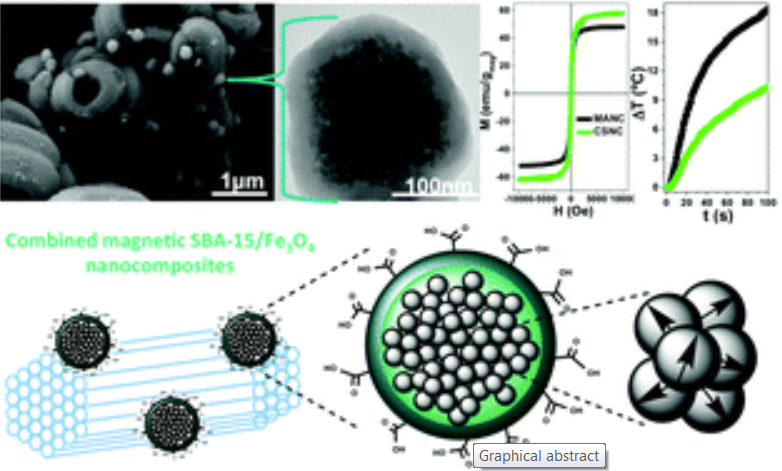
Novel synthetic routes as potential multifunctional theranostic nanodevices

Carlos Rodriguez-Abreu, Scientific Director of NANBIOSIS Unit 12 is co-author of the publication “Novel synthetic routes of large-pore magnetic mesoporous nanocomposites (SBA-15/Fe3O4) as potential multifunctional theranostic nanodevices” by “Journal of Materials Chemistry B”.

For further information


Read More

Conxita Solans receives the lectureship award of the Japan Research Institute of Materials Technology

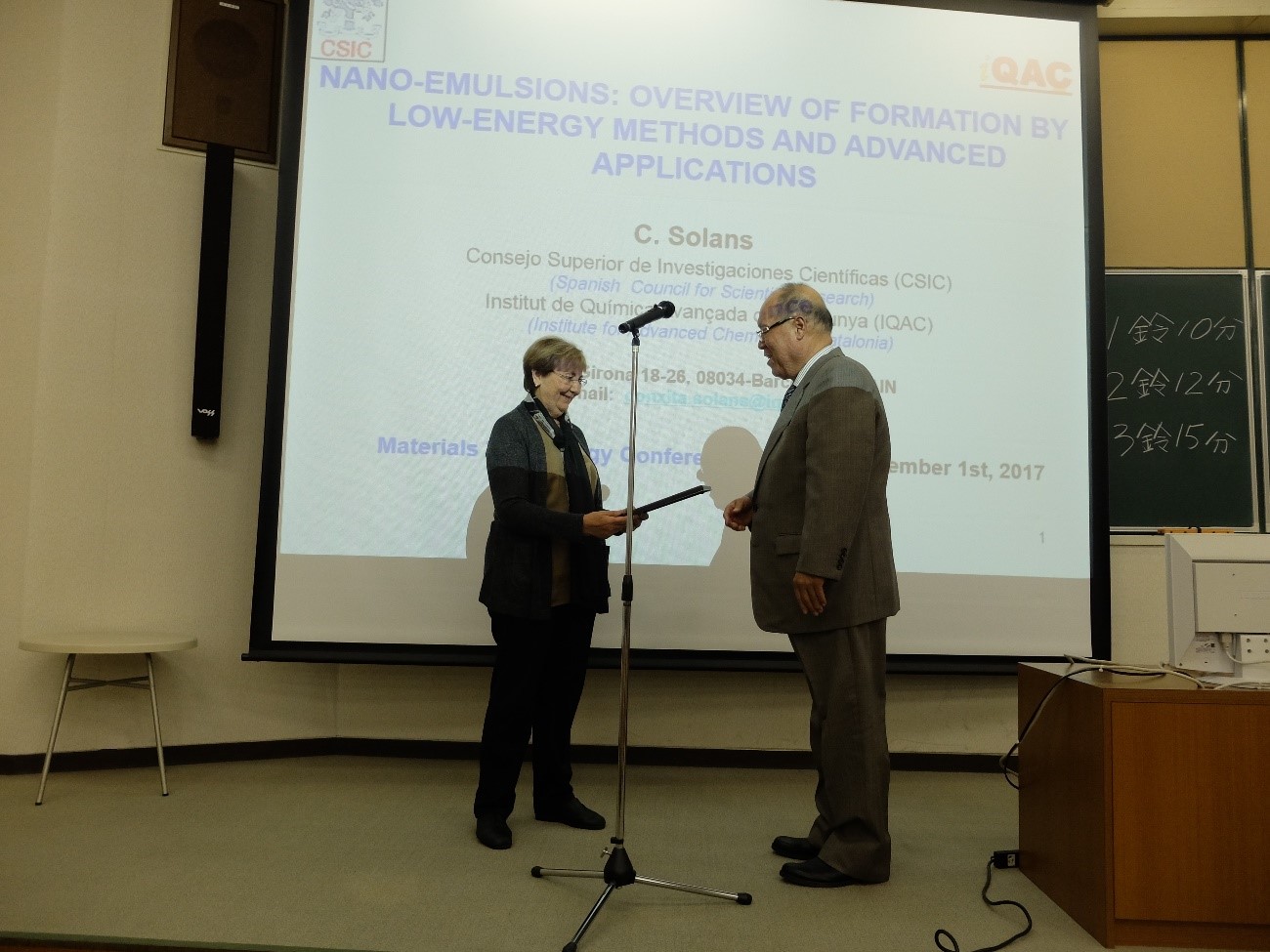
Prof. Conxita Solans (Nanostructured liquid characterization unit 12 of NANBIOSIS) received the lectureship award of the Japan Research Institute of Materials Technology from Prof. Masahiko Abe, Director of the Institute. Prof. Solans delivered her lecture during the meeting held in Noda (Japan) on December 1st, 2017.

Read More

Posters presentation by NANBIOSIS Units in CIBER-BBN ANNUAL CONFERENCE 2017

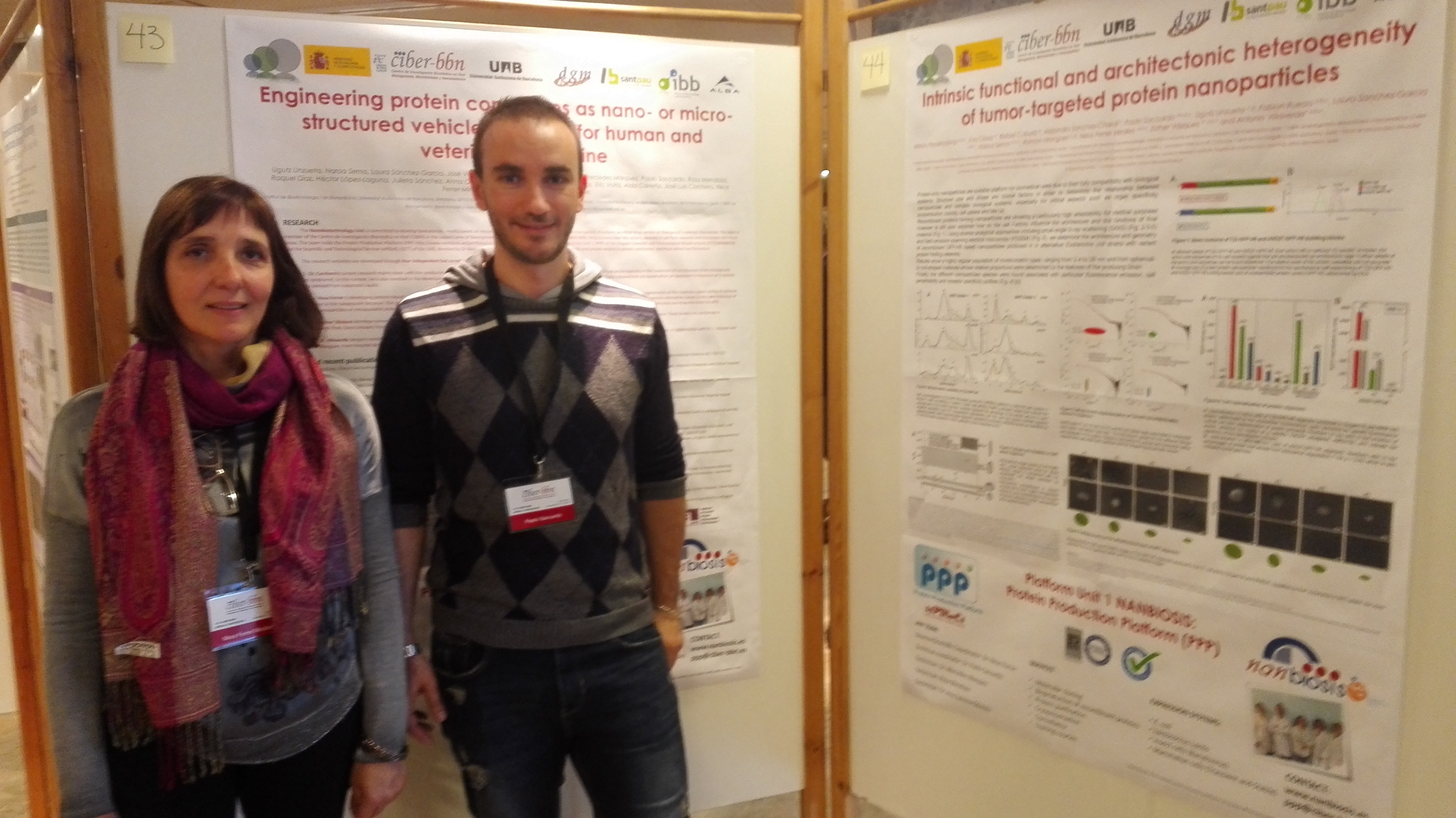
Last 13 and 14 of November, CIBER-BBN  has celebrated its 11th Annual Conference in Hotel Santemar in Santander. In this conference there was a poster session with the participation of the following Units of NANBIOSIS. Special mention deserves Unit 1 with Neus Ferrer as Director and  Paolo Saccardo as Coordinator (in the picture):

Posters:

U1. Protein Production Platform (PPP):

Engineering protein complexes as nano- or micro-structured vehicles or drugs for human and veterinary medicine. Ugutz Unzueta, Naroa Serna, Laura Sánchez-García, José Vicente Carratalá, Olivia Cano-Garrido, Mercedes Márquez, Paolo Saccardo, Rosa Mendoza, Raquel Díaz, Héctor, López-Laguna, Julieta Sánchez, Anna Obando, Amanda Muñoz, Andrés Cisneros, Eric Voltà, Aida Carreño, José Luis Corchero, Neus Ferrer-Miralles, Esther Vázquez, Antonio Villaverde.

Units  U1. Protein Production Platform (PPP) and U18. Nanotoxicology Unit:

Intrinsic functional and architectonic heterogeneity of tumor-targeted protein nanoparticles. Mireia Pesarrodona, Eva Crosa, Rafael Cubarsi, Alejandro Sanchez-Chardi, Paolo Saccardo, Ugutz Unzueta, Fabian Rueda, Laura Sanchez-Garcia, Naroa Serna, Ramón Mangues, Neus Ferrer Miralles, Esther Vázquez, Antonio Villaverde.

Units U3. Synthesis of Peptides UnitU6. Biomaterial Processing and Nanostructuring Unit, and U20. In Vivo Experimental Platform:

Synthesis of different length monodisperse COL-PEG-PEPTIDE to increase biodisponibility of multifunctional nanovesicles for Fabry’s desease. Edgar Cristóbal-Lecina; Daniel Pulido; Solène Passemard; Elizabet González-Mira; Jaume Veciana; Nora Ventosa; Simó Schwartz; Ibane Abasolo; Fernando Albericio and Miriam Royo.

Units U13. Tissue & Scaffold Characterization Unit and U17. Confocal Microscopy Service::

Preclinical behavior of medium-chain cyanoacrylate glue with two different surgical application forms for mesh fixation in abdominal wall repair. Gemma Pascual, Bárbara Pérez-Köhler, Marta Rodríguez, Claudia Mesa-Ciller, Ángel Ortillés, Estefanía Peña, Begoña Calvo, Juan M. Bellón.

Units U27. High Performance Computing and U8. Micro – Nano Technology Unit:

Inspiration and Expiration Dynamics in Acute Emotional Stress Assessment. Javier Milagro, Eduardo Gil, Jorge M. Garzón-Rey, Jordi Aguiló, Raquel Bailón.

U5. Rapid Prototyping Unit:

Poly-DL-lactic acid films functionalized with collagen IV as carrier substrata for corneal epithelial stem cells. Ana de la Mata, Miguel Ángel Mateos-Timoneda, Teresa Nieto-Miguel, Sara Galindo, Marina López-Paniagua, Xavier Puñet, Elisabeth Engel, Margarita Calonge.

U6. Biomaterial Processing and Nanostructuring Unit:

Strategy for engineering myoglobin nano-traps for biomedical sensing technology. E. Laukhina, O. V. Sinitsyna, N. K. Davydova, V. N. Sergeev, A. Gomez, I. Ratera, C. Blázquez Bondia, J. Paradowska, X. Rodriguez, J. Guasch, Jaume Veciana.

Structure and nanomechanics of quatsome membranes. B. Gumí-Audenis, L. PasquinaLemonche, J.A. Durán, N. Grimaldi, F. Sanz, J. Veciana, I. Ratera, N. Ventosa and M.I. Giannotti

U7. Nanotechnology Unit:

Bioreceptors nanostructuration study for early detection of Alzheimer. José Marrugo, Dr. Samuel Dulay, Dr. Mònica Mir, Prof. Josep Samitier.

RGD dendrimer-based nanopatterns promote chondrogenesis and intercellular communication for cartilage regeneration. Ignasi Casanellas, Anna Lagunas, Iro Tsintzou, Yolanda Vida, Daniel Collado, Ezequiel Pérez-Inestrosa, Cristina Rodríguez, Joana Magalhães, José A. Andrades, José Becerra, Josep Samitier.

Long-range electron transfer between redox partner proteins. Anna Lagunas, Alejandra GuerraCastellano, Alba Nin-Hill, Irene Díaz-Moreno, Miguel A. De la Rosa, Josep Samitier, Carme Rovira, Pau Gorostiza.

U8. Micro – Nano Technology Unit:

Miniaturized multi-sensing platform for pH and Dissolved Oxygen monitoring in Organ-On-aChip systems. M. Zea, A. Moya, I. Gimenez, R. Villa, G. Gabriel.

Electrochemical characterization of SWCNTs based microelectrodes fabricated by inkjet printing. M. Mass, A. Moya, G. Longinotti, M. Zea, M. Muñoz, E. Ramon, L. Fraigi, R. Villa, G. Ybarra, G. Gabriel.

U9. Synthesis of Nanoparticles Unit:

In vivo imaging and local persistance of polymeric micro- and nanomaterials labelled with the near infrared dye IR820. Isabel Ortiz de Solórzano, Gracia Mendoza, Inmaculada Pintre, Sara García-Salinas, Víctor Sebastián, Vanesa Andreu, Marina Gimeno, Manuel Arruebo.

U10. Drug Formulation:

Cationic nioplexes-in-polysaccharide-based hydrogels as versatile biodegradable hybrid materials to deliver nucleic acids. Santiago Grijalvo, Adele Alagia, Gustavo Puras, Jon Zárate, Judith Mayr, José Luis Pedraz, Ramon Eritja

U12. Nanostructured liquid characterization unit:

Perfluorocarbon-loaded Nanocapsules from Nano-emulsion Templates as Microbubble Precursors for Biomedical Applications. G. Calderó, A. González, M. Monge, C. Rodríguez-Abreu, M.J.García-Celma, C. Solans.

Biodistribution study of polymeric drug-loaded nanoparticles in murine model. Marta Monge, Aurora Dols, Stephane Fourcade, Aurora Pujol, Carlos Rodríguez-Abreu, Conxita Solans.

U16. Surface Characterization and Calorimetry Unit:

Behavior and a comparative study between tantalum and titanium alloy implant surfaces against bacterial adhesion. M.A. Pacha-Olivenza, M.L. González-Martín.

Bacterial adhesion on calcium ion-modified titanium implant surfaces. M.A. Pacha Olivenza, R. Tejero, M. Delgado-Rastrollo, M.L. González-Martín.

Bioactive coatings to promote tissue regeneration and ingrowth into 3D custom-made porous titanium endoimplants (COATREG-3D). Santos-Ruiz L; Granados JF; Ruiz F; Yáñez JI; González A; Cabeza N; Vida Y; Pérez-Inestrosa E; Izquierdo-Barba I; Vallet-Regí M; Rubio J; Orgaz F; Rubio N; González ML; Peris JL; Monopoli D; Becerra J.

U17. Confocal Microscopy Service:

Subcutaneous implantation of a biodegradable apatite/agarose scaffold: biocompatibility and osteogenesis characterization in a rat model. Natalio García-Honduvilla, Gemma Pascual, Miguel A. Ortega, Alejandro Coca, Cynthia Trejo, Jesús Román, Juan Peña, María V. Cabañas, Julia Buján, and María Vallet-Regí.

U25. NMR: Biomedical Applications I:

Dual T1/T2 NCP-based novel contrast agents for brain tumor MRI: a preclinical study. Suarez, S; Arias-Ramos, N; Candiota, AP; Lorenzo, J; Ruiz-Molina, D; Arús, C; Novio, F.

Metronomic treatment in immunocompetent preclinical GL261 glioblastoma: effects of cyclophosphamide and temozolomide. Ferrer-Font, L; Arias-Ramos, N; Lope-Piedrafita, S; Julià- Sapé, M; Pumarola, M; Arús, C; Candiota, AP.

U26. NMR: Biomedical Applications II:

Gated nanodevices for innovative medical therapies. Maria Alfonso, Irene Galiana, Beatriz Lozano, Borja Diaz de Greñu, Cristina de la Torre, Andrea Bernardos, Sameh El Sayed, Daniel MuñozEspin, Miguel Rovira, José Ramón Murguía, Manuel Serrano, Ramón Martínez-Máñez.

NANOPROBE: Gated sensing materials and devices for the detection of infectious diseases and urological cancer. Ángela Ribes, Luís Pla, Sara Santiago-Felipe, Alba Loras-Monfort, M.Carmen Martínez-Bisbal, Elena Aznar, Guillermo Quintás-Soriano, José Luis Ruiz-Cerdá, María Angeles.


Read More

DHA and l-carnitine loaded chitosan hydrogels as delivery systems for topical applications

The journal JCR Colloids and Surfaces A: Physicochemical and Engineering Aspects, has recently publish and interested article which show the results of the research lead by Jordi Esquena, Coordinator of Unit 12 of NANBIOSIS,.

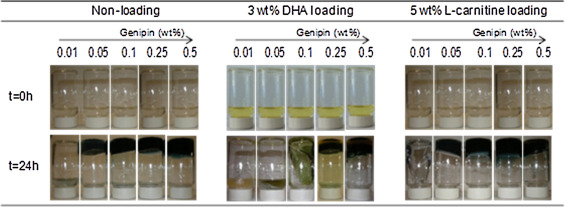
The formation of biocompatible hydrogels of chitosan crosslinked with genipine deposited on textile substrates has been studied and the incorporation and release of active ingredients for cosmetic applications has been investigated. The active principles studied have been dihydroxyacetone (DHA), which produces a sunless tanning effect; And carnitine, used as anti-cellulite agent. The results have shown that crosslinking with chitosan allows controlling the release rate of the active ingredients, slowing the release by increasing the degree of cross-linking. On the other hand, it has been observed that the active principle influences the gelation and the rheological properties of the hydrogels, mainly due to the interactions of the molecules with the amino groups of the chitosan. These results have illustrated the possible use of chitosan hydrogels in cosmetic and cosmetotextile applications. For this study, techniques available on the NANBIOSIS-ICTS have been used.

For further information

Read More

Elastic and adhesion properties of adsorbed hydrophobically modified inulin films on latex particles using Atomic Force Microscopy (AFM)

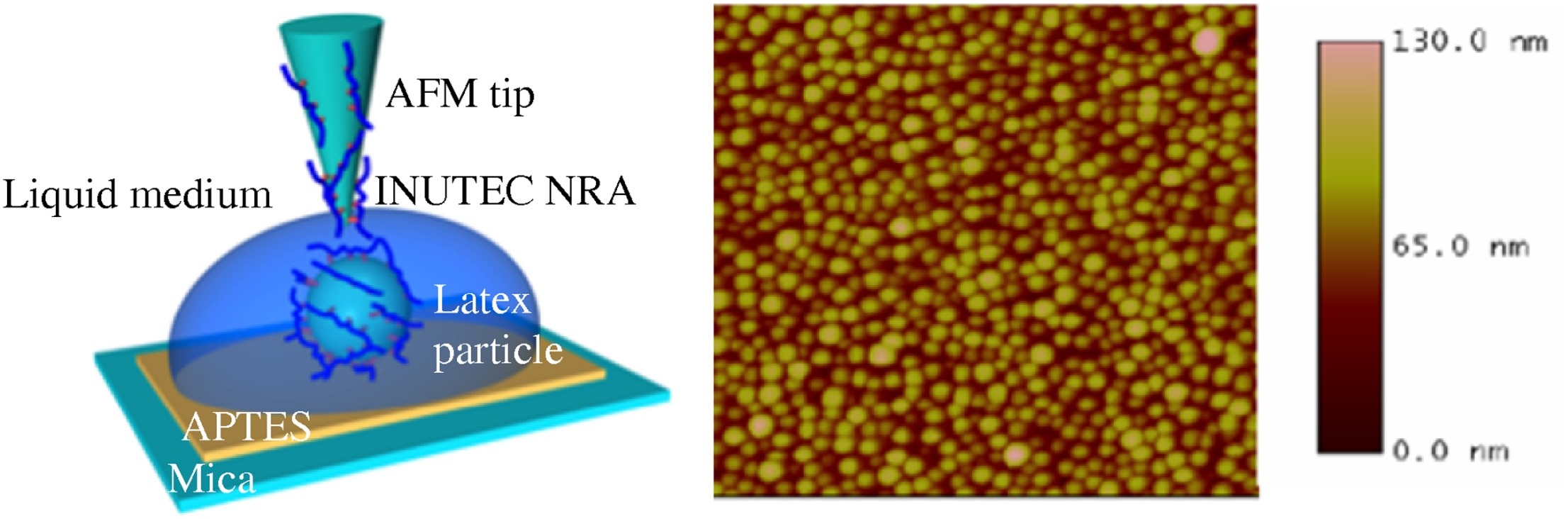
In a study published in the journal Colloids and Surfaces A: Physicochemical and Engineering Aspects, by Jordi Esquena, Coordinator of Unit 12 of NANBIOSIS, among others, it has been shown that the latex particles dispersed with graft-type polymeric surfactants have excellent colloidal stability, which is attributed to the repulsion forces between the particles, which arise from the presence of adsorbed surfactant molecules. These forces of repulsion have been studied by means of Atomic Force Microscopy (AFM), between an AFM tip and a latex particle, with the presence of surfactant adsorbed on both. It has been observed that this repulsion is maintained even at high concentrations of electrolyte, which has been attributed to the high hydration of the surfactant.

The results have allowed to explain the stabilization mechanism, being of great importance in systems where the control of the colloidal stability is a fundamental requirement.


Article of reference

Read More

Methods for the In Vitro Characterization of Nanomedicines —Biological Component Interaction

An interesting article has been recently published, in the journal Personalized Medicine In the context of a public-private collaboration between Cristina Fornagera of Sagetis-Biotech and Conxita Solans, Scientific Director of Unit 12 of NANBIOSIS

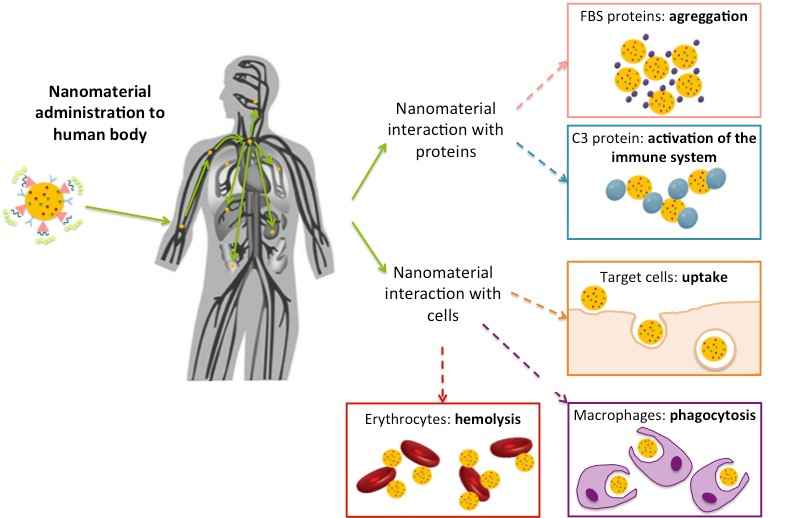
This review summarizes the main techniques used to assess the interaction of nanomedicines with biological systems, highlighting their advantages and disadvantages. The translation of knowledge from novel designed nanosystems at a research laboratory scale to real human therapies is usually a limiting or even a final point due to the lack of systematic studies regarding two aspects: nanoparticle interaction with biological components and nanoparticle cytotoxicity.

For further information:

Cristina Fornaguera and Conxita Solans “Methods for the In Vitro Characterization of Nanomedicines—Biological Component Interaction” J. Pers. Med., 7(1), 2, 2017

Read More