




Development of an injectable hydrogel for local and sustained chemotherapy delivery
A natural injectable hydrogel developed at VHIR enables sustained local docetaxel delivery and shows antitumor activity in preclinical cancer models.
Barcelona, September 2026 — Researchers at the Vall d’Hebron Research Institute (VHIR) have developed an injectable hydrogel made from natural polymers that enables local and sustained delivery of chemotherapy. The system, based on cellulose and chitosan, has demonstrated antitumor activity in preclinical models of ovarian cancer and glioblastoma.
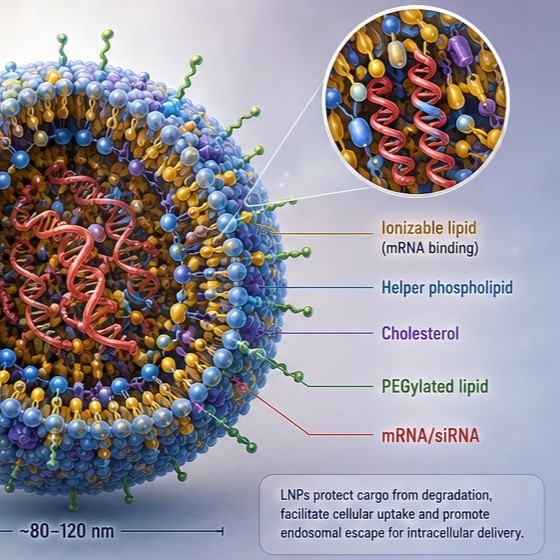
The results, published in Carbohydrate Polymer Technologies and Applications, describe a soft and injectable hydrogel designed to act as a local depot for chemotherapy. The researchers incorporated docetaxel into polymeric micelles approximately 72 nm in diameter and subsequently integrated these micelles into the hydrogel. The resulting system released approximately 70% of the drug over 14 days while maintaining its structure for more than three weeks under physiological conditions.
From computational modelling to preclinical validation
The formulation was optimized using molecular simulations and computational modelling (in silico) to study interactions between its different components. Experimental characterization showed that the hydrogel has thixotropic behaviour, becoming more fluid during injection and recovering its structure afterwards. Studies in mice also confirmed its injectability and ability to remain localized at the administration site.
The researchers further evaluated the system in biological models. Tests in healthy fibroblasts showed high biocompatibility, while studies using ovarian cancer and glioblastoma cell models demonstrated sustained cytotoxic activity. In three-dimensional glioblastoma models, the micelles released from the hydrogel were able to penetrate the tumour spheroids and maintain their activity over time.
A potential platform for local cancer treatment
Local and sustained drug delivery could help maintain drug exposure at the target site while potentially limiting systemic exposure. However, the researchers emphasize that the current results are preclinical, and further studies will be required before the technology could be considered for clinical application.
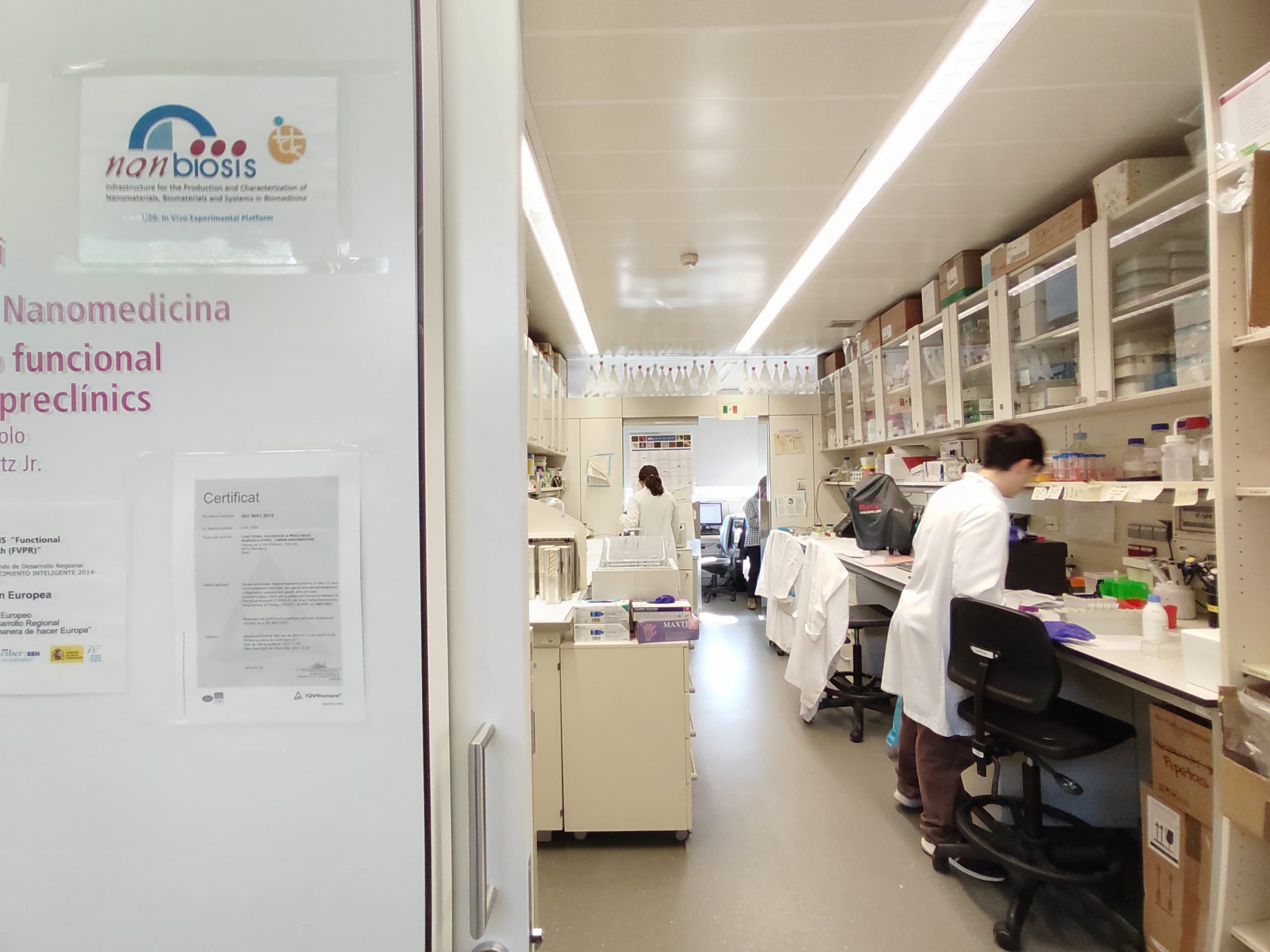
The study involved CIBER-BBN and the Functional Validation and Preclinical Research Platform (U20) of NANBIOSIS, together with the University of Barcelona, the Universitat Autònoma de Barcelona and international research centres. The work brings together computational modelling, nanotechnology, biomaterials and advanced biological validation to explore new approaches for the local treatment of solid tumours.
This work illustrates the capabilities available through NANBIOSIS U20, which contributes expertise in functional validation and preclinical research to the development and evaluation of advanced biomedical technologies.
More information can be found in the website of VHIR.
What is NANBIOSIS?
The goal of NANBIOSIS is to provide comprehensive and integrated advanced solutions for companies and research institutions in biomedical applications. All of this is done through a single-entry point, involving the design and production of biomaterials, nanomaterials, and their nanoconjugates. This includes their characterization from physical-chemical, functional, toxicological, and biological perspectives (preclinical validation).
If you want to collaborate with us, visit our Order Request page.
In order to access our Cutting-Edge Biomedical Solutions with priority access, enter our Competitive Call here.
NANBIOSIS has worked with pharmaceutical companies of all sizes in the areas of drug delivery, biomaterials and regenerative medicine. Here are a few of them: