

+34 620 10 75 37info@nanbiosis.com

Nanbiosis

Gold Nanoparticles: Properties, Synthesis and Biomedical Applications

Introduction

Gold nanoparticles (AuNPs) are among the most extensively studied inorganic nanomaterials in nanomedicine and biomedical research. Their combination of tunable size and shape, distinctive optical properties, high surface-to-volume ratio and versatile surface chemistry makes them valuable platforms for designing systems for drug and biomolecule delivery, biosensing, imaging and therapeutic applications.

Unlike bulk gold, gold at the nanoscale exhibits physicochemical properties that can be strongly influenced by particle size, morphology, surface chemistry and the surrounding environment. In particular, gold nanoparticles display localized surface plasmon resonance (LSPR), an optical phenomenon that gives rise to strong and size- and shape-dependent interactions with light. This property can be exploited for sensing, imaging and photothermal applications.

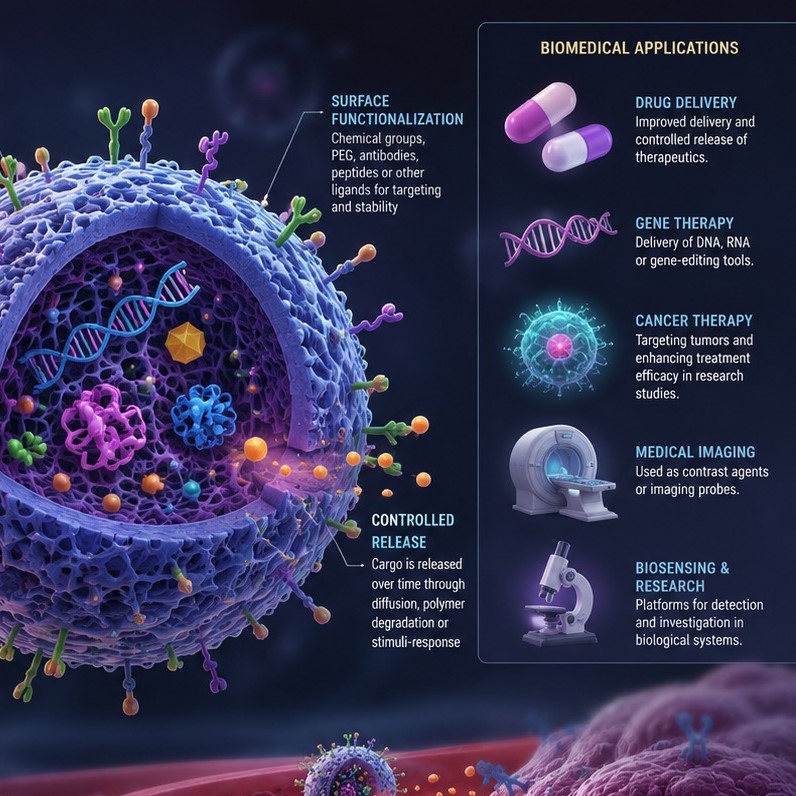
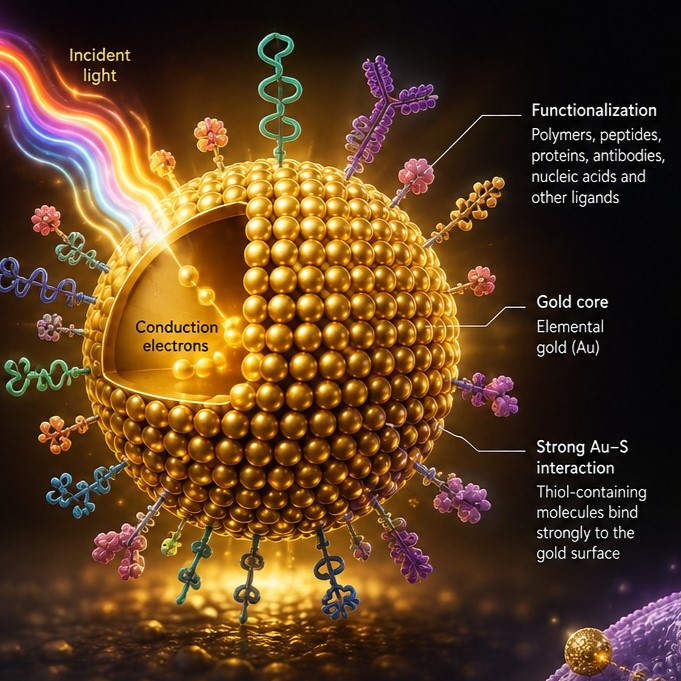
Another important feature is the ability to functionalize the gold surface with a wide variety of molecules, including polymers, peptides, proteins, antibodies and nucleic acids. This makes AuNPs particularly attractive as multifunctional platforms that can combine delivery, targeting, sensing and therapeutic functions within the same nanosystem.

For these reasons, gold nanoparticles continue to attract considerable interest in nanomedicine, drug delivery, gene therapy, regenerative medicine, biosensing and cancer research. However, many proposed biomedical applications remain at the experimental or preclinical stage, and factors such as biodistribution, clearance, long-term safety, surface chemistry and manufacturing reproducibility remain important considerations for clinical translation.

What are Gold Nanoparticles?

Gold nanoparticles are nanoscale structures composed primarily of elemental gold (Au). They can be produced in different sizes and morphologies, including spherical nanoparticles, nanorods, nanoshells, nanostars, nanocages and other anisotropic structures.

Their properties depend strongly on their physical and chemical characteristics. Important parameters include:

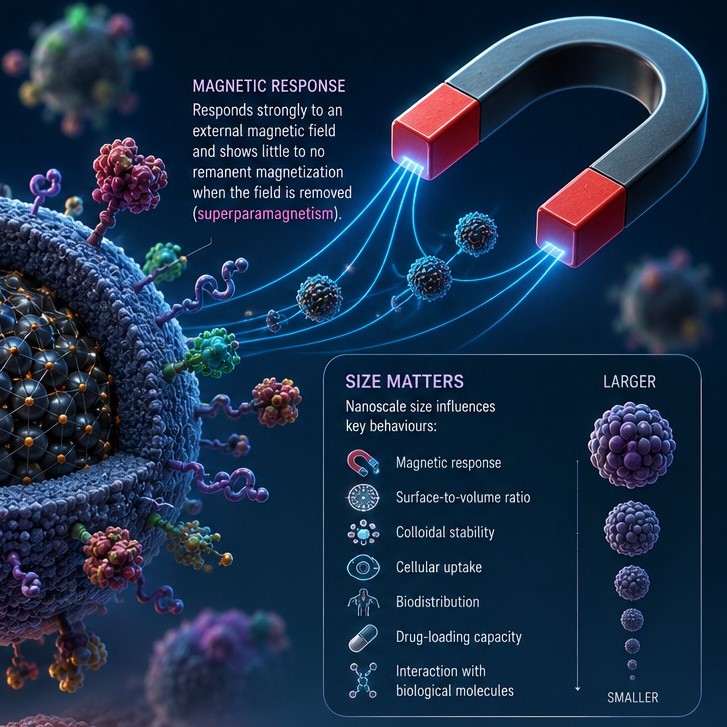
  • Particle size: influences cellular uptake, biodistribution, optical properties and interactions with biological systems.
  • Shape and morphology: determine optical and plasmonic behaviour and can influence biological interactions.
  • Surface chemistry: affects colloidal stability, protein adsorption, cellular interactions and biological fate.
  • Surface charge: can influence interactions with cell membranes and biomolecules.
  • Ligand or coating: polymers, peptides, antibodies, nucleic acids and other molecules can be attached to the gold surface to provide targeting or functional properties.

One of the most characteristic properties of AuNPs is their localized surface plasmon resonance. At the appropriate nanoscale dimensions, incident light can interact with the conduction electrons of the gold nanoparticle, producing strong optical absorption and scattering. The resulting optical response changes with particle size, shape, aggregation state and surrounding medium.

The gold surface can also interact strongly with thiol-containing molecules, providing a widely used route for surface functionalization. Together with other conjugation strategies, this enables the construction of AuNP-based systems carrying therapeutic molecules, targeting ligands or recognition elements.

Advantages of Gold Nanoparticles

The interest in gold nanoparticles for biomedical applications comes from several complementary advantages.

Tunable physicochemical properties

AuNPs can be engineered with different sizes, shapes and surface chemistries. These parameters can be adjusted to modify their optical, colloidal and biological behaviour.

Unique optical properties

Their LSPR gives AuNPs distinctive optical responses. By modifying particle size and morphology, researchers can tune absorption and scattering properties, including responses in regions of the spectrum relevant to biological applications. Gold nanostructures designed to interact with near-infrared light are particularly interesting for photothermal approaches because near-infrared wavelengths can penetrate biological tissues more effectively than visible light.

High surface area and versatile functionalization

The large surface area relative to their volume allows numerous molecules to be associated with an individual nanoparticle. AuNPs can therefore be functionalized with drugs, nucleic acids, peptides, proteins, antibodies, polymers and other ligands.

Multifunctionality

A single AuNP platform can potentially combine several functions, such as biomolecule delivery, molecular recognition, imaging and photothermal activity. This multifunctionality is one of the reasons AuNPs are being investigated for theranostic applications, in which diagnosis and therapy are integrated into a single platform.

Catalytic and enzyme-mimicking properties

Gold nanoparticles can exhibit catalytic activity and, depending on their size, morphology and surface chemistry, can show enzyme-like activities. These materials are often referred to as gold nanozymes. Reported enzyme-mimicking activities include peroxidase-, oxidase-, catalase- and superoxide-dismutase-like behaviour.

At the same time, these advantages should not be interpreted as evidence that all AuNP formulations are inherently safe or clinically suitable. Their biological effects depend substantially on parameters such as size, shape, surface coating, dose, aggregation and exposure route. Understanding these structure–activity relationships is therefore essential for biomedical development.

How are Gold Nanoparticles Synthesized?

Gold nanoparticles can be synthesized using several chemical, physical and biological approaches. The selected method depends on the desired particle size, morphology, surface chemistry, dispersity and intended application.

Chemical synthesis

A widely used approach is the Turkevich method, in which a gold precursor such as chloroauric acid (HAuCl₄) is reduced in the presence of citrate. The process involves the formation of gold nuclei followed by particle growth. Reaction conditions influence nucleation and growth and therefore affect the resulting particle size and distribution.

Other chemical approaches include:

  • Seed-mediated growth, which allows controlled growth of nanoparticles from preformed seeds and is particularly useful for producing anisotropic structures such as nanorods.
  • Sodium borohydride reduction, which can produce small gold nanoparticles under appropriate reaction conditions.
  • Brust–Schiffrin synthesis, commonly used to prepare thiol-protected gold nanoparticles.
  • Ascorbic-acid-based reduction methods, used in several controlled-growth approaches.

Biological or “green” synthesis

Biological synthesis uses biological materials or extracts as reducing and/or stabilizing agents. Plant extracts, microorganisms and biomolecules have all been investigated for the production of gold nanoparticles.

These approaches can reduce the use of some conventional chemical reagents, but biological synthesis can also introduce challenges related to batch-to-batch variability, composition and reproducibility. Consequently, the most appropriate synthesis route depends on the requirements of the final biomedical application.

Surface functionalization

Synthesis is only one part of AuNP engineering. For biomedical applications, the nanoparticle surface is frequently modified after synthesis or functionalized during preparation.

Surface coatings can improve colloidal stability and provide functional groups for attaching biological molecules. For example, AuNPs can be functionalized with nucleic acids, peptides, proteins, antibodies or polymers. Such modifications can influence cellular uptake, biodistribution, targeting and the interaction of the nanoparticles with biological fluids.

Biomedical Applications of Gold Nanoparticles

1. Biomolecule Delivery and Gene Therapy

One of the most important research applications of gold nanoparticles is the delivery of biomolecules, including nucleic acids, proteins, peptides and small-molecule therapeutics.

The gold surface provides a versatile scaffold for attaching biological cargo through covalent interactions, chemisorption, electrostatic interactions or linker-based strategies. This enables the development of nanosystems designed to transport therapeutic molecules to specific cells or tissues.

Nucleic acid delivery

AuNPs have been extensively investigated as carriers for DNA, RNA, small interfering RNA (siRNA), microRNA and other nucleic acids. Functionalized gold nanoparticles can protect nucleic acids from degradation and facilitate their transport into cells.

This makes them particularly interesting for research into gene therapy and gene regulation. Depending on their design, AuNP-based systems can be investigated for:

  • Gene delivery
  • Gene silencing
  • RNA interference
  • Delivery of therapeutic DNA
  • Delivery of RNA-based therapeutics
  • Intracellular delivery of biomolecules

However, efficient intracellular delivery remains challenging. Endosomal entrapment, intracellular trafficking, tissue distribution and controlled release are among the factors that must be addressed when developing AuNP-based nucleic acid delivery systems.

Controlled biomolecule release

AuNPs can also be engineered to release their cargo in response to specific stimuli, including changes in pH, enzymatic activity or light. Combining a gold core with an appropriate surface coating or linker can therefore provide a platform for controlled or stimuli-responsive delivery.

This is particularly relevant when the objective is to deliver a therapeutic molecule while limiting its exposure to non-target tissues.

2. Regenerative Medicine

Gold nanoparticles are also being investigated in tissue engineering and regenerative medicine.

In this context, AuNPs can be incorporated into biomaterials, hydrogels and scaffolds or used as components of systems designed to deliver bioactive molecules. Nanoparticle-containing biomaterials can potentially provide spatially controlled presentation of growth factors, genes or other signalling molecules while also modifying the physicochemical properties of the scaffold.

The optical and conductive properties of gold can also be relevant when designing advanced biomaterials for cellular engineering and tissue regeneration.

Potential research areas include:

  • Tissue-engineering scaffolds
  • Controlled delivery of growth factors
  • Wound-healing systems
  • Cellular engineering
  • Bone and other tissue regeneration
  • Multifunctional biomaterials

Importantly, the role of AuNPs in regenerative medicine is highly dependent on their concentration, size, surface chemistry and biological environment. Consequently, their effects on cell viability, differentiation and tissue responses need to be evaluated for each formulation rather than assumed from the properties of bulk gold.

3. Sensors and Biosensors

Gold nanoparticles are particularly attractive for biosensing because their optical properties change in response to changes in their local environment.

One important mechanism is plasmonic coupling. When functionalized AuNPs interact with target molecules and their spatial arrangement changes, measurable changes in optical properties can occur. This principle has been exploited in research on sensors for nucleic acids, proteins, pathogens and other biological targets.

AuNPs can also be incorporated into electrochemical and surface-enhanced Raman scattering (SERS) platforms, providing additional routes for sensitive molecular detection.

Their surface can be functionalized with antibodies, aptamers, oligonucleotides or other recognition elements, allowing the design of selective biosensors.

4. Diagnostic Imaging

Gold nanoparticles are being investigated as contrast and imaging agents because of their strong interaction with light and X-rays.

Depending on their structure and functionalization, AuNPs can contribute to optical imaging, photoacoustic imaging and X-ray-based imaging approaches. Gold nanostructures can also be functionalized with targeting molecules to investigate selective accumulation or molecular recognition.

Gold nanoclusters represent a related class of gold nanomaterials with different optical properties. In particular, some gold nanoclusters exhibit fluorescence and have been investigated for bioimaging and molecular detection.

5. Nanomedicine and Cancer Therapy

The combination of delivery, optical and surface-engineering capabilities makes AuNPs an important platform in nanomedicine.

One extensively investigated approach is photothermal therapy. Gold nanostructures can absorb light and convert part of the absorbed energy into heat. When appropriately designed and localized, this photothermal effect can be used to investigate localized thermal damage to tumour cells.

Gold nanoparticles have also been explored as carriers for anticancer drugs and as components of multifunctional systems combining therapy and imaging.

These approaches are promising, but their clinical translation depends on overcoming challenges including tumour delivery, nanoparticle clearance, toxicity, manufacturing and reproducibility. Therefore, many AuNP-based cancer therapies remain under investigation rather than constituting routine clinical treatments.

6. Catalysis in the Tumour Microenvironment

A particularly active research area is the use of nanoparticle catalysis to manipulate the tumour microenvironment (TME).

Tumours can exhibit distinctive characteristics such as altered pH, hypoxia and abnormal levels of reactive oxygen species. Researchers are investigating whether catalytic nanomaterials can exploit these characteristics to generate or remove reactive species and modify biochemical processes within tumours.

Gold nanoparticles and gold-containing nanomaterials can contribute catalytic activity to multifunctional nanosystems. In broader nanozyme research, catalytic nanomaterials have been investigated for tumour-responsive reactions, reactive oxygen species generation and modulation of the tumour microenvironment.

This area remains predominantly experimental. Designing catalytic systems that are sufficiently selective, active under physiological conditions and safely delivered to tumour tissue remains a major challenge.

7. Artificial Enzymes and Gold Nanozymes

Gold nanoparticles can exhibit enzyme-like catalytic activity, leading to their investigation as artificial enzymes or nanozymes.

Depending on their physicochemical characteristics, AuNPs have been reported to show activities resembling several natural enzymes, including:

  • Peroxidase
  • Oxidase
  • Catalase
  • Superoxide dismutase
  • Reductase

Their catalytic behaviour can depend strongly on particle size, morphology, surface chemistry, pH, temperature and the molecules surrounding the nanoparticle.

This provides opportunities for applications in biosensing, diagnostics and therapeutic research. For example, nanozyme activity can be coupled to a biochemical recognition event to amplify a detectable signal.

In cancer research, nanozymes are also being investigated as catalytic components capable of interacting with the tumour microenvironment and regulating reactive oxygen species.

However, gold nanozymes should not be considered direct replacements for natural enzymes in all circumstances. Their catalytic activity and selectivity are strongly dependent on the specific nanoparticle design and experimental conditions, and further work is required to establish robust biomedical applications.

Frequently Asked Questions

What are gold nanoparticles?

Gold nanoparticles (AuNPs) are nanoscale structures made primarily of elemental gold. Their properties differ from bulk gold and can be tuned through particle size, shape, surface chemistry and functionalization.

Why are gold nanoparticles useful in biomedicine?

AuNPs combine distinctive optical properties, a large functionalizable surface and tunable physicochemical characteristics. These features make them useful research platforms for biomolecule delivery, biosensing, imaging, regenerative medicine and therapeutic applications.

Can gold nanoparticles be used for gene delivery?

Yes. Gold nanoparticles have been extensively investigated as carriers for DNA, RNA, siRNA and other nucleic acids. Their surfaces can be functionalized with nucleic acids and targeting or delivery components. However, efficient intracellular delivery and safe in vivo performance remain important challenges.

How are gold nanoparticles synthesized?

Common approaches include citrate reduction using the Turkevich method, seed-mediated growth, sodium-borohydride reduction, Brust–Schiffrin synthesis, ascorbic-acid-based methods and biological or “green” synthesis. The appropriate method depends on the required size, shape, dispersity and surface chemistry.

What is localized surface plasmon resonance?

Localized surface plasmon resonance is an optical phenomenon associated with the collective oscillation of conduction electrons in metallic nanoparticles. In AuNPs, it produces strong and tunable optical responses that can be exploited for sensing, imaging and photothermal applications.

Can gold nanoparticles be used in cancer treatment?

Gold nanoparticles are being investigated in several cancer-related applications, including drug delivery, photothermal therapy, imaging and catalytic or nanozyme-based approaches. Many of these applications remain in preclinical research, and their clinical translation depends on factors such as targeting, safety, biodistribution and manufacturing.

What are gold nanozymes?

Gold nanozymes are gold-based nanomaterials that exhibit enzyme-like catalytic activities. Depending on their design, they can show peroxidase-, oxidase-, catalase- or other enzyme-mimicking activities.

Are gold nanoparticles safe?

Safety cannot be determined solely from the fact that a nanoparticle is made of gold. Biological responses depend on factors such as particle size, shape, surface chemistry, dose, aggregation and exposure route. Detailed physicochemical and biological characterization is therefore essential when developing AuNPs for biomedical applications.

Conclusion

Gold nanoparticles are versatile nanomaterials with a distinctive combination of optical, physicochemical and surface-chemical properties. Their tunable size and morphology, strong plasmonic behaviour and capacity for functionalization make them valuable platforms for biomedical research.

Among their most promising applications are biomolecule and nucleic-acid delivery, gene therapy research, regenerative medicine, biosensing and diagnostic imaging. Their ability to convert light into heat has also made gold nanostructures important candidates for photothermal cancer research, while their catalytic properties have opened additional research directions in tumour-microenvironment modulation and nanozyme-based systems.

Nevertheless, translating these technologies from laboratory research to clinical applications requires careful control of nanoparticle size, morphology, surface chemistry, stability, biodistribution and toxicity. Reliable characterization and reproducible manufacturing are therefore fundamental to the development of effective gold nanoparticle-based biomedical systems.

For researchers developing gold nanoparticle-based drug delivery systems, gene delivery platforms, biosensors, regenerative biomaterials or other nanomedicine technologies, access to advanced nanomaterial production and characterization capabilities can be an important part of the development pathway.

Related articles

  • ...

What is NANBIOSIS?

The goal of NANBIOSIS is to provide comprehensive and integrated advanced solutions for companies and research institutions in biomedical applications. All of this is done through a single-entry point, involving the design and production of biomaterials, nanomaterials, and their nanoconjugates. This includes their characterization from physical-chemical, functional, toxicological, and biological perspectives (preclinical validation).

Leading scientists

The main value of NANBIOSIS is our highly qualified and experienced academic scientists, working in public institutions, renowned universities and other research institutes.

Custom solutions

Designed for either scientific collaboration or the private industry, we adapt our services to your needs, filling the gaps and paving the way towards the next breakthrough.

Cutting-Edge facilities

Publicly funded, with the most advanced equipment, offering a wide variety of services from synthesis of nanoparticles and medical devices, including up to preclinical trials.

Standards of quality

Our services have standards of quality required in the pharmaceutical, biotech and medtech sectors, from Good Practices to ISO certifications.

In order to access our Cutting-Edge Biomedical Solutions with priority access, enter our Competitive Call here.

NANBIOSIS has worked with pharmaceutical companies of all sizes in the areas of drug delivery, biomaterials and regenerative medicine. Here are a few of them:

Read More

Lipid Nanoparticles: Applications in Drug Delivery, RNA Therapeutics and Biomedicine

Introduction

Lipid nanoparticles (LNPs) have become one of the most important nanomedicine platforms for the delivery of therapeutic molecules. Their ability to encapsulate and protect sensitive biological cargo, facilitate cellular uptake and, in appropriately designed formulations, promote intracellular release has made them particularly valuable for delivering nucleic acids such as messenger RNA (mRNA) and small interfering RNA (siRNA).

The clinical success of lipid nanoparticle-based medicines has demonstrated the potential of nanotechnology to overcome some of the limitations associated with conventional drug delivery. A major milestone was the development of LNP formulations for RNA therapeutics, including the siRNA medicine patisiran and LNP-formulated mRNA COVID-19 vaccines. These applications have also accelerated research into LNPs for gene editing, cancer treatment, protein replacement, vaccination, imaging and other biomedical applications.

At the same time, LNP technology continues to evolve. Researchers are developing new lipid chemistries, manufacturing strategies and targeting approaches to improve tissue specificity, stability, safety and therapeutic efficacy.

What are Lipid Nanoparticles?

Lipid nanoparticles are nanoscale delivery systems composed primarily of lipids that self-assemble into particles capable of carrying therapeutic or diagnostic molecules.

Although the terms are sometimes used interchangeably, lipid nanoparticles and liposomes are not the same technology. Liposomes generally contain an aqueous compartment enclosed by one or more lipid bilayers, whereas many modern LNP formulations used for nucleic acid delivery have more complex, formulation-dependent internal structures that differ from the classical bilayer organization of liposomes.

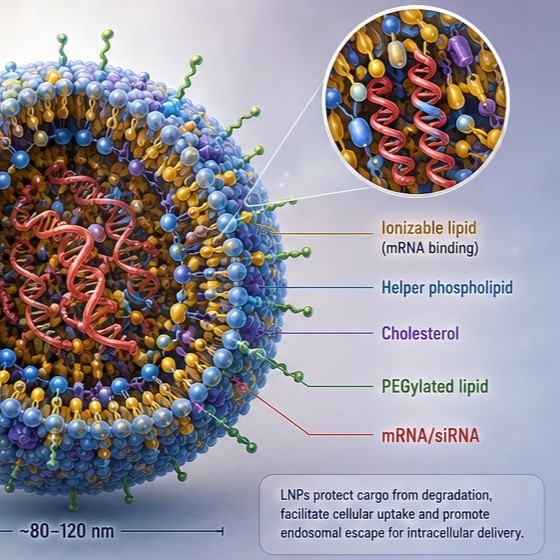
A widely used LNP architecture contains four main types of components:

  • Ionizable lipids, which interact with negatively charged nucleic acids and play a key role in particle formation, cellular uptake and endosomal escape.
  • Helper phospholipids, which contribute to particle structure and stability.
  • Cholesterol, which influences particle organization and membrane interactions.
  • PEGylated lipids, which can help control particle size, aggregation and stability.

The exact composition varies depending on the intended application. The choice of lipid chemistry and formulation parameters can strongly influence particle size, encapsulation efficiency, biodistribution, cellular uptake, endosomal escape and biological activity.

For nucleic acid delivery, LNPs are particularly useful because they can protect RNA from degradation in biological environments and facilitate its transport into cells. Following cellular uptake, successful formulations need to escape the endosomal compartment so that the cargo can reach its intracellular site of action.

Advantages of Lipid Nanoparticles

LNPs offer several properties that make them attractive for biomedical research and pharmaceutical development.

Protection of sensitive biomolecules

RNA and other biological molecules can be vulnerable to enzymatic degradation. Encapsulation within an LNP can protect the cargo during formulation, administration and transport through biological environments.

Facilitated intracellular delivery

LNPs can facilitate cellular uptake through endocytic pathways. For RNA therapeutics, the ability of appropriately designed ionizable lipids to promote endosomal escape is particularly important for achieving intracellular delivery.

Versatile cargo loading

LNPs can be engineered to carry different types of therapeutic cargo, including mRNA, siRNA and other nucleic acids. They can also be investigated for the delivery of proteins, small-molecule drugs and combinations of therapeutic agents.

Tunable physicochemical properties

Particle size, lipid composition, surface characteristics, cargo-to-lipid ratio and other formulation parameters can be modified to influence biological behaviour. This tunability provides opportunities to adapt LNPs to different therapeutic objectives.

Established clinical translation for nucleic-acid delivery

Unlike many nanomedicine platforms that remain primarily at the preclinical stage, LNP technology has already demonstrated clinical utility for nucleic-acid delivery. Patisiran uses an LNP formulation to deliver siRNA to the liver, while LNPs are also used to deliver mRNA in COVID-19 vaccines.

Potential for scalable manufacturing

Modern LNP production frequently uses controlled rapid mixing processes, including microfluidic and related mixing technologies. These approaches can provide reproducible particle formation and offer potential pathways for scalable manufacturing.

However, LNPs are not universally optimal for every application. Challenges include tissue-specific targeting, stability, manufacturing consistency, immune responses and potential toxicity associated with particular lipid compositions. Current research therefore focuses on developing increasingly selective and biocompatible formulations.

How are Lipid Nanoparticles Synthesized?

The preparation of LNPs depends on their composition and intended application. For nucleic acid-loaded LNPs, one of the most widely used approaches is rapid mixing of a lipid-containing organic phase with an aqueous phase containing the nucleic acid.

Typically, the lipids are dissolved in an organic solvent, commonly ethanol, while the nucleic acid is prepared in an aqueous buffer under appropriate pH conditions. When the two streams are rapidly mixed, changes in solvent composition and lipid ionization promote lipid self-assembly and nanoparticle formation. The nucleic acid becomes associated with or encapsulated within the developing particles.

Microfluidic mixing

Microfluidic systems can provide highly controlled mixing conditions and are particularly attractive for LNP formulation development. Parameters such as flow rates, mixing conditions, lipid concentration and aqueous-to-organic phase ratios can affect particle size, polydispersity and encapsulation efficiency.

Following particle formation, additional processing steps may be required. These can include removal or reduction of organic solvent, buffer exchange, concentration and sterile filtration, depending on the formulation and intended application.

Characterization

A comprehensive characterization strategy is essential to determine whether an LNP formulation has the required properties. Common parameters include:

  • Particle size and size distribution
  • Polydispersity
  • Surface characteristics
  • Encapsulation efficiency
  • Lipid composition and purity
  • Cargo integrity
  • Stability during storage
  • In vitro cellular uptake and biological activity
  • In vivo biodistribution and pharmacokinetics, when appropriate

For therapeutic development, formulation characterization must ultimately be connected to critical quality attributes and biological performance.

Biomedical Applications of Lipid Nanoparticles

LNPs are being investigated across a broad range of biomedical applications. Some applications, particularly nucleic acid delivery, have already reached clinical use, whereas others remain at the research or preclinical development stage.

1. Biomolecule Delivery and RNA Therapeutics

One of the most important applications of LNPs is the delivery of biomolecules and nucleic acids.

Nucleic acids such as mRNA and siRNA offer powerful therapeutic possibilities but face important delivery challenges. They are relatively large, hydrophilic and susceptible to degradation, making it difficult for them to cross cellular membranes efficiently.

LNPs can address several of these barriers by encapsulating the nucleic acid, protecting it from degradation and promoting cellular uptake. Once inside the cell, the objective is to release the cargo from the endosomal compartment so that it can exert its biological function.

mRNA delivery

LNPs have become particularly important for mRNA delivery. Once delivered to the cytoplasm, mRNA can be translated by the cell into the encoded protein without needing to enter the nucleus or integrate into the genome.

This approach has been used clinically in mRNA vaccines and is being investigated for applications including:

  • Infectious disease vaccination
  • Cancer immunotherapy
  • Protein replacement
  • Genetic and metabolic disorders
  • Regenerative medicine
  • Genome-editing approaches

The success of LNP-mRNA vaccines demonstrated that this delivery strategy can be translated from laboratory research into large-scale clinical applications.

siRNA delivery and gene silencing

LNPs can also deliver small interfering RNA (siRNA). siRNA can trigger sequence-specific degradation of complementary messenger RNA, reducing the production of a target protein.

A prominent clinical example is patisiran, an LNP-based siRNA therapy that targets transthyretin (TTR) mRNA in the liver. Its development provided important proof of concept for LNP-mediated RNA interference in patients.

Genome editing

LNPs are also being explored as delivery systems for genome-editing technologies, including CRISPR-based systems. In these approaches, LNPs can potentially deliver combinations of nucleic acids encoding or constituting components required for genome editing.

Most LNP-based in vivo genome-editing applications remain investigational, with major challenges around tissue targeting, delivery efficiency, safety and control of editing activity.

2. Imaging and Biodistribution

LNPs can also be investigated as nanocarriers for imaging agents.

By incorporating or associating imaging probes with lipid nanoparticles, researchers can study the biodistribution, cellular uptake and biological behaviour of nanoparticles in vivo. Imaging can therefore be useful not only for diagnosis but also for understanding how a formulation behaves after administration.

For example, imaging techniques can help evaluate the pharmacokinetics and biodistribution of RNA-loaded LNPs during preclinical development. This information can be valuable when optimizing formulations and identifying strategies for improving tissue targeting.

LNPs may also be designed as multifunctional platforms combining diagnostic and therapeutic functions, an approach often referred to as theranostics. However, these applications remain under investigation rather than being established clinical technologies.

3. Regenerative Medicine

LNPs are increasingly being investigated in regenerative medicine, particularly as delivery systems for nucleic acids that can modulate cellular behaviour.

mRNA-loaded LNPs, for example, can transiently provide cells with instructions to produce specific proteins. This creates opportunities to investigate protein expression involved in tissue repair, cell differentiation, angiogenesis and other regenerative processes.

Potential applications include tissue engineering, wound healing, cardiovascular regeneration and the development of strategies for directing cell fate.

Importantly, much of this work remains preclinical. The ability to control where and when therapeutic mRNA is expressed remains one of the major challenges for translating these approaches into regenerative medicine.

4. Controlled Drug Release

LNPs can be engineered to act as controlled drug delivery systems, potentially modifying the pharmacokinetics of therapeutic compounds and influencing where and when cargo becomes available.

Lipid composition, particle structure, cargo properties and environmental conditions can affect release behaviour.

This approach is being investigated for the delivery of small-molecule drugs as well as biological therapeutics. By modifying the formulation, researchers can aim to improve drug solubility, protect sensitive compounds and alter their distribution within the body.

The precise release profile, however, depends strongly on the specific LNP formulation and cargo, meaning that controlled release should be considered a design objective rather than an inherent property of every LNP.

5. Targeted Therapies

One of the major objectives in LNP research is the development of targeted drug delivery systems.

Many conventional LNP formulations exhibit substantial uptake by the liver and by cells of the mononuclear phagocyte system. Consequently, researchers are developing new lipid structures, surface modifications, ligands and formulation strategies to improve delivery to specific organs, tissues or cell populations.

Active targeting strategies may involve incorporating molecules capable of interacting with receptors expressed by particular cell types. Other approaches seek to exploit differences in physiology, biodistribution or protein adsorption to influence where nanoparticles accumulate.

Improving tissue-specific delivery is particularly important for applications such as cancer therapy, neurological disorders and gene editing, where delivery to the appropriate target cells can determine therapeutic success. However, achieving reliable tissue- and cell-specific delivery in vivo remains a major challenge, particularly outside organs such as the liver where many LNP formulations naturally accumulate.

Frequently Asked Questions

What are lipid nanoparticles used for?

Lipid nanoparticles are used to deliver therapeutic and biological molecules, particularly nucleic acids such as mRNA and siRNA. They are also being investigated for drug delivery, vaccines, gene editing, imaging, regenerative medicine and targeted therapies.

Are lipid nanoparticles the same as liposomes?

No. Although both are lipid-based nanocarriers, their structures and compositions differ. Liposomes generally contain an aqueous compartment surrounded by lipid bilayers, whereas many modern LNPs used for nucleic acid delivery have more complex, formulation-dependent internal structures and are specifically engineered for efficient nucleic acid encapsulation and intracellular delivery.

What are lipid nanoparticles made of?

Many nucleic acid LNPs contain an ionizable lipid, a helper phospholipid, cholesterol and a PEGylated lipid. However, the composition varies between formulations and applications.

How do lipid nanoparticles deliver mRNA?

LNPs protect mRNA and facilitate its uptake by cells. Following cellular internalization, the formulation must promote endosomal escape so that the mRNA can reach the cytoplasm, where it can be translated into protein.

Have lipid nanoparticle-based medicines been clinically approved?

Yes. LNP technology has reached clinical use. Patisiran is an LNP-based siRNA medicine, while LNPs are also used to deliver mRNA in COVID-19 vaccines. These applications have provided important clinical validation of LNP-based nucleic acid delivery.

Can lipid nanoparticles be targeted to specific tissues?

Potentially, yes. Researchers are developing lipid chemistries, surface modifications and other formulation strategies to improve tissue and cell targeting. However, achieving reliable delivery to specific tissues remains a major challenge, particularly for extrahepatic tissues where many LNP formulations do not naturally accumulate efficiently.

Are lipid nanoparticles safe?

Safety depends on the specific formulation, cargo, dose, administration route and intended application. LNPs have demonstrated clinical utility, but their lipid components and biodistribution can influence immune responses and other biological effects. Consequently, safety and tolerability must be evaluated for each formulation rather than assumed from the performance of another LNP.

Conclusion

Lipid nanoparticles have evolved from an experimental nanomedicine technology into a clinically validated platform for certain types of nucleic-acid delivery. Their clinical use in siRNA medicines and mRNA vaccines demonstrates the potential of engineered lipid systems to overcome important biological barriers to therapeutic delivery.

At the same time, the field is moving beyond these established applications. Researchers are developing LNPs for gene editing, protein replacement, cancer immunotherapy, targeted drug delivery, diagnostic imaging and regenerative medicine. New lipid chemistries and manufacturing technologies are also being developed to improve tissue specificity, intracellular delivery, stability and safety.

For biomedical research and pharmaceutical development, the ability to tailor LNP composition and physicochemical properties provides a versatile platform for designing advanced delivery systems. Continued progress in formulation, characterization, biological validation and manufacturing will be essential for expanding LNP applications beyond their current clinical uses.

Related articles

  • ...

What is NANBIOSIS?

The goal of NANBIOSIS is to provide comprehensive and integrated advanced solutions for companies and research institutions in biomedical applications. All of this is done through a single-entry point, involving the design and production of biomaterials, nanomaterials, and their nanoconjugates. This includes their characterization from physical-chemical, functional, toxicological, and biological perspectives (preclinical validation).

Leading scientists

The main value of NANBIOSIS is our highly qualified and experienced academic scientists, working in public institutions, renowned universities and other research institutes.

Custom solutions

Designed for either scientific collaboration or the private industry, we adapt our services to your needs, filling the gaps and paving the way towards the next breakthrough.

Cutting-Edge facilities

Publicly funded, with the most advanced equipment, offering a wide variety of services from synthesis of nanoparticles and medical devices, including up to preclinical trials.

Standards of quality

Our services have standards of quality required in the pharmaceutical, biotech and medtech sectors, from Good Practices to ISO certifications.

In order to access our Cutting-Edge Biomedical Solutions with priority access, enter our Competitive Call here.

NANBIOSIS has worked with pharmaceutical companies of all sizes in the areas of drug delivery, biomaterials and regenerative medicine. Here are a few of them:

Read More

NANBIOSIS Supports Scientific Outreach at the Launch of Misión Aragón: Cracks de la Ciencia

NANBIOSIS joined the launch of Misión Aragón: Cracks de la Ciencia, promoting scientific outreach and inspiring future generations through Aragón’s research excellence.

Zaragoza, July 2026 — NANBIOSIS took part in the presentation of Misión Aragón: Cracks de la Ciencia, a new science outreach initiative promoted by the Government of Aragón to inspire scientific vocations among young people by celebrating the region’s most influential researchers and world-class scientific infrastructures.

The initiative, presented on 30 July 2026 at the Pablo Serrano Museum in Zaragoza, introduces a collection of 15 collectible cards featuring ten outstanding Aragonese scientists and the five Unique Scientific and Technical Infrastructures (ICTS) located in Aragón, including NANBIOSIS. Through an engaging, game-based format, the project encourages children and families to discover the people, institutions and facilities that are shaping scientific progress while exploring the region of Aragón.

Representatives of the institutions and family members from the scientists.

Representing CIBER-BBN and NANBIOSIS, Gabriel Alfranca, Internationalization and Communication Manager, attended the event and was interviewed about the importance of scientific infrastructures and communication in bringing research closer to society. His participation highlighted the role that research platforms such as NANBIOSIS play in supporting biomedical innovation and making cutting-edge science accessible beyond the laboratory.

Among the featured cards is CIBER-BBN, which can be collected at La Alfranca (Zaragoza) alongside the card dedicated to scientist Martina Bescós. By including leading research infrastructures in the collection, the initiative showcases the scientific ecosystem that enables discoveries with societal impact and encourages younger generations to engage with science and technology.

The event also acknowledged the recent National Research Award Juan de la Cierva for Knowledge Transfer received by Jesús Martínez de la Fuente, Research Professor at CSIC, researcher at INMA (CSIC–University of Zaragoza), and one of the Coordinators of CIBER-BBN. The award recognizes his outstanding career in nanobiotechnology and his exceptional contribution to transforming scientific research into real-world biomedical applications, reinforcing Aragón’s position as a hub for scientific excellence and innovation.

Prof. Jesús M. de la Fuente

Through initiatives such as Misión Aragón: Cracks de la Ciencia, public institutions, research centres and scientific infrastructures are working together to promote scientific culture, foster STEAM vocations and inspire the next generation of researchers by demonstrating that science is both accessible and capable of transforming society.

What is NANBIOSIS?

The goal of NANBIOSIS is to provide comprehensive and integrated advanced solutions for companies and research institutions in biomedical applications. All of this is done through a single-entry point, involving the design and production of biomaterials, nanomaterials, and their nanoconjugates. This includes their characterization from physical-chemical, functional, toxicological, and biological perspectives (preclinical validation).

If you want to collaborate with us, visit our Order Request page.
Leading scientists

The main value of NANBIOSIS is our highly qualified and experienced academic scientists, working in public institutions, renowned universities and other research institutes.

Custom solutions

Designed for either scientific collaboration or the private industry, we adapt our services to your needs, filling the gaps and paving the way towards the next breakthrough.

Cutting-Edge facilities

Publicly funded, with the most advanced equipment, offering a wide variety of services from synthesis of nanoparticles and medical devices, including up to preclinical trials.

Standards of quality

Our services have standards of quality required in the pharmaceutical, biotech and medtech sectors, from Good Practices to ISO certifications.

In order to access our Cutting-Edge Biomedical Solutions with priority access, enter our Competitive Call here.

NANBIOSIS has worked with pharmaceutical companies of all sizes in the areas of drug delivery, biomaterials and regenerative medicine. Here are a few of them:
Read More

Scientific Communication at University of Zaragoza on Digital Disinformation

NANBIOSIS attended a University of Zaragoza course on digital disinformation, cybersecurity and EU regulation, reinforcing its commitment to trusted scientific communication.

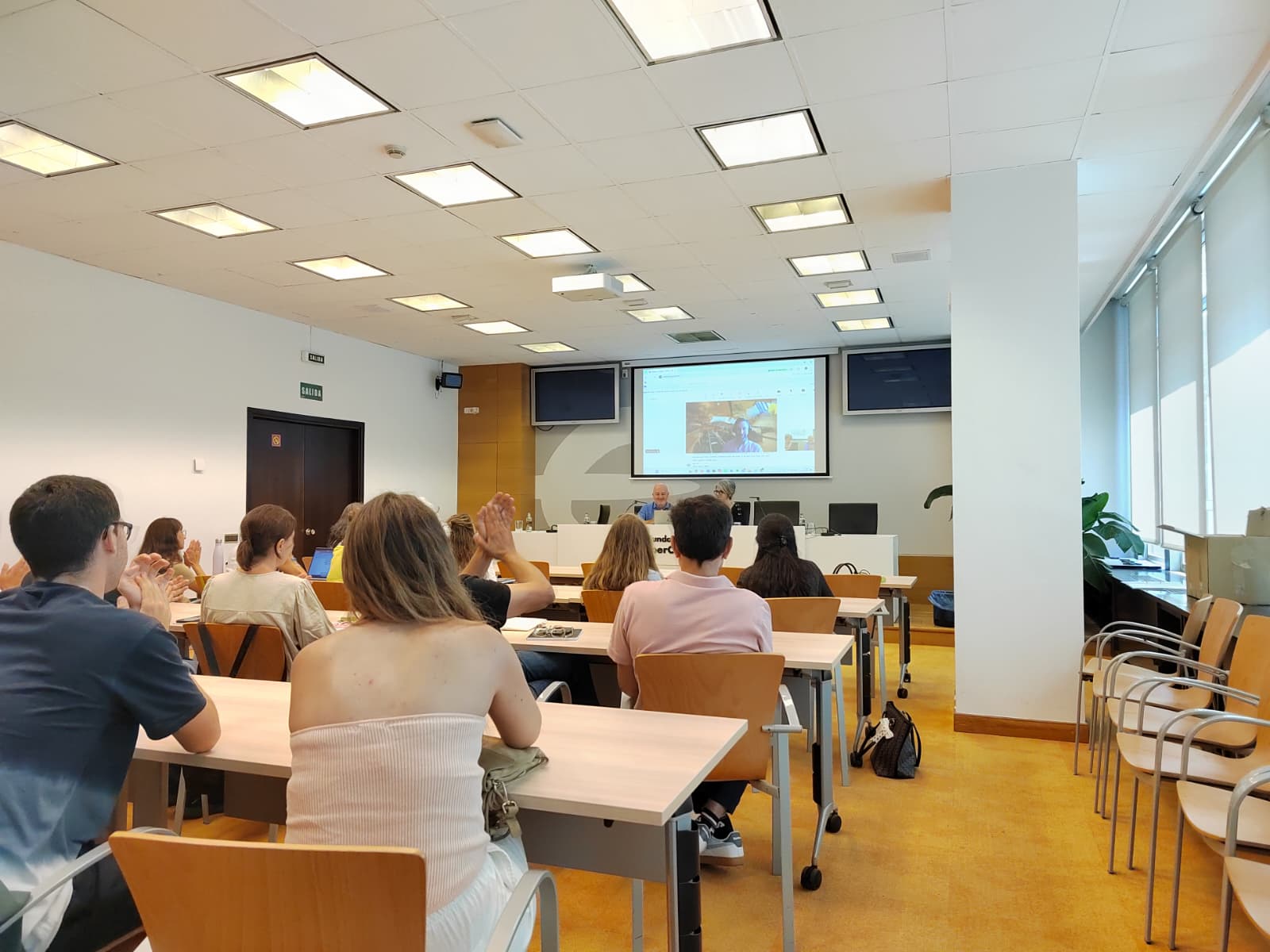
Jaca, July 2026 — From 13 to 15 July 2026, NANBIOSIS attended the course “Disinformation and Digital Protection in Europe: Informational, Business, Reputational, Economic, Technological and Social Challenges”, held at the University of Zaragoza. Representing NANBIOSIS, Gabriel Alfranca participated as an attendee in this multidisciplinary training programme dedicated to understanding one of the most pressing challenges facing today’s digital society.

Coordinated by David Corral Hernández, Head of International Relations and Cooperation at RTVE Madrid, and Ana Mancho de la Iglesia, Professor at the University of Zaragoza and Director of the Reporterismo 360º Master’s Programme (University of Zaragoza–RTVE), the course brought together experts from academia, European institutions, public media, cybersecurity, strategic communications and industry.

Over three days, participants explored the mechanisms behind digital disinformation and coordinated influence campaigns, the impact of cyberattacks and phishing on organisations, the role of algorithms and online platforms, and the growing use of artificial intelligence to generate misleading content, including deepfakes. The programme also addressed European regulatory frameworks such as the Digital Services Act (DSA) and data protection legislation, alongside media verification, editorial responsibility and crisis communication strategies.

Sessions featured contributions from specialists representing the European Parliament, RTVE, Vodafone Business, Ibercaja, cybersecurity and national security experts, as well as academics with expertise in communication, journalism and digital resilience.

The course was closed down by Begoña Pérez Calle, Professor at Universidad de Zaragoza and Delegate of the Rector for Extraordinary Courses.

For NANBIOSIS, participation in this course reinforces its commitment to responsible scientific communication, digital resilience and the protection of institutional reputation. As a national research infrastructure supporting biomedical research and innovation, maintaining high standards of trustworthy communication and understanding emerging digital risks are increasingly important for engaging with researchers, industry, policymakers and society.

By keeping abreast of evolving challenges in digital information, cybersecurity and European policy, NANBIOSIS continues to strengthen its capacity to communicate science accurately and transparently while supporting a trustworthy research and innovation ecosystem.

What is NANBIOSIS?

The goal of NANBIOSIS is to provide comprehensive and integrated advanced solutions for companies and research institutions in biomedical applications. All of this is done through a single-entry point, involving the design and production of biomaterials, nanomaterials, and their nanoconjugates. This includes their characterization from physical-chemical, functional, toxicological, and biological perspectives (preclinical validation).

If you want to collaborate with us, visit our Order Request page.

Leading scientists

The main value of NANBIOSIS is our highly qualified and experienced academic scientists, working in public institutions, renowned universities and other research institutes.

Custom solutions

Designed for either scientific collaboration or the private industry, we adapt our services to your needs, filling the gaps and paving the way towards the next breakthrough.

Cutting-Edge facilities

Publicly funded, with the most advanced equipment, offering a wide variety of services from synthesis of nanoparticles and medical devices, including up to preclinical trials.

Standards of quality

Our services have standards of quality required in the pharmaceutical, biotech and medtech sectors, from Good Practices to ISO certifications.

In order to access our Cutting-Edge Biomedical Solutions with priority access, enter our Competitive Call here.

NANBIOSIS has worked with pharmaceutical companies of all sizes in the areas of drug delivery, biomaterials and regenerative medicine. Here are a few of them:
Read More

Innovation Expertise at Patent Strategy and Industrial Property Course

NANBIOSIS attended a specialized course on patent strategy and industrial property, strengthening its expertise in research valorization, technology transfer, and innovation management.

Zaragoza, July 2026 — From 2 to 3 July 2026, NANBIOSIS participated in the course “Estrategia de Patentes y Propiedad Industrial: De la Investigación a la Transferencia Global“, held at the University of Zaragoza, in the context of the Extraordinary Summer Courses 2026.

Coordinated by Ana Gil Lacruz (University of Zaragoza) and Manuel Moreno-Torres Sánchez (Bufete Moreno Torres SLP), the two-day course provided practical training for researchers, innovation managers, and technology transfer professionals on how to identify, protect, and leverage industrial property assets in international markets.

The programme covered the full innovation pathway, from evaluating research results and patentability to managing intellectual property portfolios and reducing legal risks in global commercialization. Participants also explored advanced patent search techniques using WIPO PATENTSCOPE and the European Patent Office’s Espacenet database, as well as strategies for technology intelligence, freedom-to-operate analyses, patent landscape assessment, and dispute resolution through the World Intellectual Property Organization (WIPO).

The course featured contributions from experts from the University of Zaragoza, WIPO, industry representatives, patent specialists, and legal professionals, offering participants a comprehensive perspective on the role of industrial property in research commercialization and international technology transfer.

The course was closed dwon by Begoña Pérez Calle, professor of Universidad de Zaragoza and Delegate of the Rector for Extraordinary Courses.

By attending this training, NANBIOSIS continues to strengthen its understanding of innovation management and intellectual property, reinforcing its commitment to supporting researchers and fostering the translation of scientific knowledge into societal and economic value.

What is NANBIOSIS?

The goal of NANBIOSIS is to provide comprehensive and integrated advanced solutions for companies and research institutions in biomedical applications. All of this is done through a single-entry point, involving the design and production of biomaterials, nanomaterials, and their nanoconjugates. This includes their characterization from physical-chemical, functional, toxicological, and biological perspectives (preclinical validation).

If you want to collaborate with us, visit our Order Request page.

Leading scientists

The main value of NANBIOSIS is our highly qualified and experienced academic scientists, working in public institutions, renowned universities and other research institutes.

Custom solutions

Designed for either scientific collaboration or the private industry, we adapt our services to your needs, filling the gaps and paving the way towards the next breakthrough.

Cutting-Edge facilities

Publicly funded, with the most advanced equipment, offering a wide variety of services from synthesis of nanoparticles and medical devices, including up to preclinical trials.

Standards of quality

Our services have standards of quality required in the pharmaceutical, biotech and medtech sectors, from Good Practices to ISO certifications.

In order to access our Cutting-Edge Biomedical Solutions with priority access, enter our Competitive Call here.

NANBIOSIS has worked with pharmaceutical companies of all sizes in the areas of drug delivery, biomaterials and regenerative medicine. Here are a few of them:

Read More

NANBIOSIS Strengthens European Collaboration at the VI ISCIII Conference on Biomedical Research Infrastructures

NANBIOSIS joined the VI ISCIII Conference on European Research Infrastructures, strengthening collaboration with key European infrastructures and industry.

Madrid, June 2026 — Last month, on June 30, NANBIOSIS participated in the VI Conference on European Research Infrastructures in Biomedical Sciences, organized by the International Programmes Area of the Instituto de Salud Carlos III (ISCIII). The event brought together representatives of major European Research Infrastructures (RIs), research organizations, industry, and public institutions to discuss the future of collaborative biomedical research in Europe.

Held at the Ernest Lluch Auditorium on the ISCIII Chamartín Campus in Madrid, the conference highlighted the strategic role of European Research Infrastructures in advancing health research and innovation. Discussions focused on key topics including the contribution of RIs to the European Open Science Cloud (EOSC), collaboration with industry, the evolving European research landscape, and the role of research infrastructures in addressing the One Health challenge.

The programme featured experts representing several European Research Infrastructure Consortia (ERICs), including BBMRI, MIRRI, ERINHA, Euro-BioImaging, EU-OPENSCREEN, EATRIS, ECRIN, ELIXIR, INSTRUCT, and INFRAFRONTIER, offering attendees an overview of current initiatives and future opportunities for international collaboration.

NANBIOSIS was represented by Gabriel Alfranca, Communication and Internationalization Manager, who participated in the dedicated networking session held after the conference. This space enabled direct discussions with national coordinators of European Research Infrastructures, facilitating new contacts with leading research infrastructures and companies interested in collaborative opportunities within the European biomedical innovation ecosystem.

Participation in events such as this reflects NANBIOSIS’ commitment to expanding its international network, fostering strategic partnerships, and increasing the visibility of its advanced biomedical services within the European Research Area. Strengthening connections with complementary infrastructures and industrial stakeholders supports NANBIOSIS’ mission to provide cutting-edge technologies and expertise to the scientific and innovation communities.

What is NANBIOSIS?

The goal of NANBIOSIS is to provide comprehensive and integrated advanced solutions for companies and research institutions in biomedical applications. All of this is done through a single-entry point, involving the design and production of biomaterials, nanomaterials, and their nanoconjugates. This includes their characterization from physical-chemical, functional, toxicological, and biological perspectives (preclinical validation).

If you want to collaborate with us, visit our Order Request page.

Leading scientists

The main value of NANBIOSIS is our highly qualified and experienced academic scientists, working in public institutions, renowned universities and other research institutes.

Custom solutions

Designed for either scientific collaboration or the private industry, we adapt our services to your needs, filling the gaps and paving the way towards the next breakthrough.

Cutting-Edge facilities

Publicly funded, with the most advanced equipment, offering a wide variety of services from synthesis of nanoparticles and medical devices, including up to preclinical trials.

Standards of quality

Our services have standards of quality required in the pharmaceutical, biotech and medtech sectors, from Good Practices to ISO certifications.

In order to access our Cutting-Edge Biomedical Solutions with priority access, enter our Competitive Call here.

NANBIOSIS has worked with pharmaceutical companies of all sizes in the areas of drug delivery, biomaterials and regenerative medicine. Here are a few of them:

Read More

Innovation Funding Training through EDIH Madrid Region 2.0

NANBIOSIS participated in an EDIH Madrid Region 2.0 training session on R&D&I funding, helping organizations identify funding opportunities to accelerate innovation.

Barcelona, June 2026 — Last month, NANBIOSIS took part in the “R&D&I Funding Search” training course organized by EDIH Madrid Region 2.0, an initiative designed to help companies, public administrations and research organizations navigate the wide range of public and private funding opportunities available for innovation projects.

The in-person event, held in Madrid and delivered by Matical Innovation, provided participants with practical guidance on identifying funding opportunities and developing strategic plans to support research, development and innovation (R&D&I) activities.

Throughout the session, attendees explored the main national and regional funding programmes available in Spain, together with the requirements for accessing public support. The course also introduced methodologies for identifying an organization’s R&D capabilities and innovation assets that could be further developed through funded projects.

The programme covered a broad range of topics, including direct and indirect public funding instruments, tax incentives for R&D&I, and strategies for combining different financial resources to maximise project impact. Participants also received an introduction to European funding opportunities, including Horizon Europe, public-private partnerships and cascade funding schemes, as well as private investment options such as venture capital, crowdfunding and business accelerators.

The training concluded with a practical session focused on preparing strategic R&D&I funding plans, enabling participants to identify funding opportunities tailored to their own organizations.

As a research infrastructure committed to supporting innovation in biomedicine and nanotechnology, NANBIOSIS actively contributes to initiatives that strengthen technology transfer and facilitate access to funding opportunities for researchers, companies and public institutions. Participation in events such as this reinforces NANBIOSIS’ commitment to fostering innovation ecosystems and promoting collaboration between research and industry.

What is NANBIOSIS?

The goal of NANBIOSIS is to provide comprehensive and integrated advanced solutions for companies and research institutions in biomedical applications. All of this is done through a single-entry point, involving the design and production of biomaterials, nanomaterials, and their nanoconjugates. This includes their characterization from physical-chemical, functional, toxicological, and biological perspectives (preclinical validation).

If you want to collaborate with us, visit our Order Request page.

Leading scientists

The main value of NANBIOSIS is our highly qualified and experienced academic scientists, working in public institutions, renowned universities and other research institutes.

Custom solutions

Designed for either scientific collaboration or the private industry, we adapt our services to your needs, filling the gaps and paving the way towards the next breakthrough.

Cutting-Edge facilities

Publicly funded, with the most advanced equipment, offering a wide variety of services from synthesis of nanoparticles and medical devices, including up to preclinical trials.

Standards of quality

Our services have standards of quality required in the pharmaceutical, biotech and medtech sectors, from Good Practices to ISO certifications.

In order to access our Cutting-Edge Biomedical Solutions with priority access, enter our Competitive Call here.

NANBIOSIS has worked with pharmaceutical companies of all sizes in the areas of drug delivery, biomaterials and regenerative medicine. Here are a few of them:

Read More

Resolution of the last competitive call of 2026 for access to NANBIOSIS

NANBIOSIS is a Research Infrastructure for Biomedicine made up of the Platforms of the Center for Centro de Ivesntigación Biomedica en Red (CIBER– in the area of Bioengineering, Biomaterials, and Nanomedicine -CIBER-BBN), the Preclinical Infrastructure and the Development of Minimally Invasive Technologies, of the Jesús Usón Minimally Invasive Surgery Center (CCMIJU) and the Nanoimaging unit of the Biomedical Research Institute of Malaga-Nanomedicine Platform (IBIMA-BIONAND Platform).

NANBIOSIS as part of the Spanish Map of ICTS (an acronym for “Scientific and Technical Unique Infrastructures” in Spanish), approved by the Ministry of Science and Innovation, is open to all interested national and international users, and who can apply for access under the “Competitive Open Access” or “Access on Demand” modalities.

20% of the capacity of the Units of NANBIOSIS is granted on the Competitive Open Access modality and will be prioritized according to scientific and technical quality and singularity of the applictions.

Click here to see the resolution of the 2nd and last 2026 Open Call.

This open access call to NANBIOSIS services is organized within the framework of the project “Promotion of new coordinated actions and open access to NANBIOSIS (NANBIO-ACCESS)”, RED2024-154146-I, founded by Spanish Agencia Estatal de Investigación”

What is NANBIOSIS?

Leading scientists

The main value of NANBIOSIS is our highly qualified and experienced academic scientists, working in public institutions, renowned universities and other research institutes.

Custom solutions

Designed for either scientific collaboration or the private industry, we adapt our services to your needs, filling the gaps and paving the way towards the next breakthrough.

Cutting-Edge facilities

Publicly funded, with the most advanced equipment, offering a wide variety of services from synthesis of nanoparticles and medical devices, including up to preclinical trials.

Standards of quality

Our services have standards of quality required in the pharmaceutical, biotech and medtech sectors, from Good Practices to ISO certifications.

Read More

NANBIOSIS Supports Preclinical Validation of Light-Activated Therapy Against Resistant Breast Cancer Cells

NANBIOSIS Unit 20 validated a light-activated cancer therapy in a breast cancer model, supporting a promising strategy to target resistant tumor cells.

Barcelona, July 2026 — Researchers have demonstrated a promising photopharmacology strategy that uses light to selectively activate an anti-cancer compound, eliminating therapy-resistant tumor cells while minimizing effects on healthy tissue. The study, published in ACS Chemical Biology, included preclinical validation at NANBIOSIS Unit 20 (Functional Validation & Preclinical Research, FVPR), highlighting the role of the infrastructure in advancing innovative cancer therapies.

The research was led by scientists from the Institute of Advanced Chemistry of Catalonia (IQAC-CSIC) in collaboration with the Vall d’Hebron Research Institute (VHIR). Their work focuses on cancer stem cells, a small but highly resilient population of tumor cells capable of surviving conventional treatments and driving tumor relapse.

The team developed a chemically modified version of chloroquine that remains inactive until exposed to light. Once illuminated for just a few seconds, the compound releases its active form and prevents the formation of tumor spheres, three-dimensional cellular structures enriched in cancer stem cells. Laboratory experiments also showed that the treatment works by inhibiting autophagy, a cellular process that helps these resistant cells survive.

As a proof of concept, the researchers validated the strategy in a murine breast cancer model at NANBIOSIS Unit 20. The compound was administered directly into the tumor and activated through external illumination. The experiments confirmed that the drug becomes active only when exposed to light inside the tumor, remaining inactive in the dark. This localized activation could significantly reduce unwanted effects on healthy tissues while improving treatment precision.

Although still at an early stage of development, the findings open new possibilities for more selective cancer therapies. The research team is now working to optimize the molecules so they can be activated by green or red light, wavelengths that penetrate deeper into tissue and could enable treatment of larger or less accessible tumors.

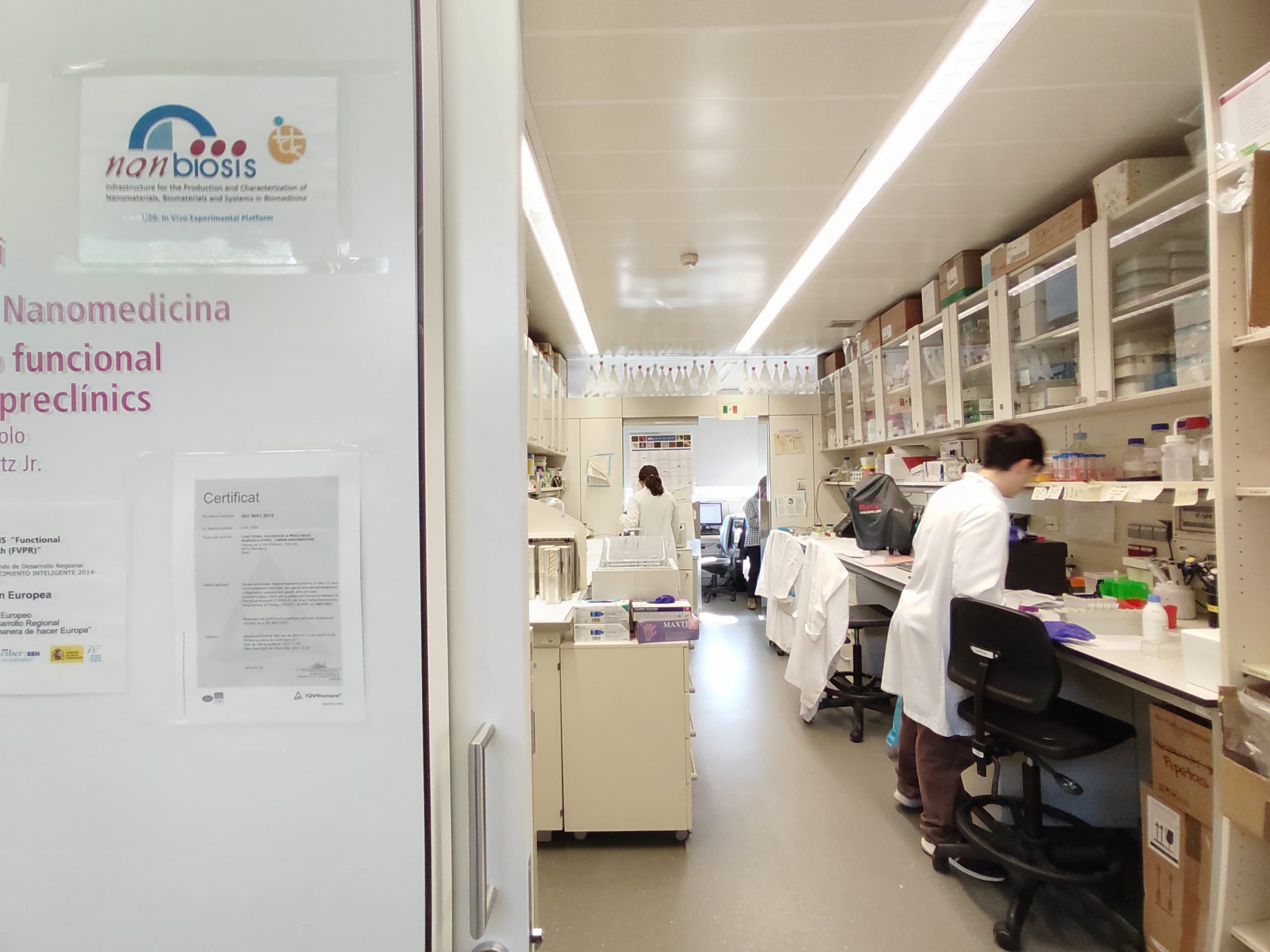
By providing specialized facilities for in vivo functional validation and preclinical research, NANBIOSIS Unit 20 played a key role in demonstrating the feasibility of this innovative therapeutic approach. The study exemplifies how NANBIOSIS supports cutting-edge biomedical research by helping translate promising laboratory discoveries into potential future clinical applications.

NANBIOSIS Unit 20 is directed by Dr. Vanessa Diaz at VHIR and provides advanced in vivo models and preclinical validation services for biomedical researchers developing new therapies and medical technologies.

What is NANBIOSIS?

The goal of NANBIOSIS is to provide comprehensive and integrated advanced solutions for companies and research institutions in biomedical applications. All of this is done through a single-entry point, involving the design and production of biomaterials, nanomaterials, and their nanoconjugates. This includes their characterization from physical-chemical, functional, toxicological, and biological perspectives (preclinical validation).

If you want to collaborate with us, visit our Order Request page.

Leading scientists

The main value of NANBIOSIS is our highly qualified and experienced academic scientists, working in public institutions, renowned universities and other research institutes.

Custom solutions

Designed for either scientific collaboration or the private industry, we adapt our services to your needs, filling the gaps and paving the way towards the next breakthrough.

Cutting-Edge facilities

Publicly funded, with the most advanced equipment, offering a wide variety of services from synthesis of nanoparticles and medical devices, including up to preclinical trials.

Standards of quality

Our services have standards of quality required in the pharmaceutical, biotech and medtech sectors, from Good Practices to ISO certifications.

In order to access our Cutting-Edge Biomedical Solutions with priority access, enter our Competitive Call here.

NANBIOSIS has worked with pharmaceutical companies of all sizes in the areas of drug delivery, biomaterials and regenerative medicine. Here are a few of them:

Read More

NANBIOSIS Unit 26 to Present NMR and Metabolomics Capabilities at Universitat de València

NANBIOSIS Unit 26 will present its NMR and metabolomics capabilities in a free seminar at Universitat de València on 2 July 2026.

Valencia, July 2026 — On Thursday, 2 July 2026, researchers, students, and healthcare professionals will have the opportunity to learn more about the biomedical applications of nuclear magnetic resonance and metabolomics during the seminar “Biomedical Imaging and Metabolomics Section: Our Experience”.

The event will take place at 13:00 in Seminar Room D, on the main floor of the Faculty of Medicine and Dentistry at the Universitat de València. It is organized by the Biomedical Imaging and Metabolomics Section of the Central Research Unit in Medicine (UCIM).

The seminar will present the equipment available in the section, with special emphasis on recent improvements, updates, and their biomedical applications. In particular, the session will highlight the capabilities associated with NANBIOSIS Unit 26 – NMR: Biomedical Applications II, a key infrastructure for biomedical research based on nuclear magnetic resonance and related analytical techniques.

Attendees will learn more about the following services and technologies, all particularly oriented towards their biomedial application.

With regard to the Imaging Platform:

  • Magnetic Resonance Imaging (MRI-3T)
  • PET/CT (Positron Emission Tomography / Computed Tomography)
  • IVIS (In Vivo Imaging System)
  • Irradiator

With regard to the Metabolomic Platform:

  • Chromatographic techniques
  • 600 MHz NMR spectroscopy
  • Hematology and biochemistry analyses

These tools support research in metabolism, biomarker discovery, and the study of disease-related biological processes, helping to advance biomedical research and translational applications.

The seminar will be delivered by Carlos Ezquer Garin and Mustafa Ezzeddin Ayoub (Musta), Senior Technicians of the Biomedical Imaging and Metabolomics Section at UCIM, Faculty of Medicine and Dentistry, Universitat de València.

Those interested in attending are invited to confirm their participation by contacting musez[at]uv.es. Alternativelly, you can also reach out through our contact form and we will forward your application directly to the Unit.

Through initiatives such as this seminar, NANBIOSIS continues to promote access to advanced research infrastructure and strengthen collaboration in the biomedical sciences.

What is NANBIOSIS?

The goal of NANBIOSIS is to provide comprehensive and integrated advanced solutions for companies and research institutions in biomedical applications. All of this is done through a single-entry point, involving the design and production of biomaterials, nanomaterials, and their nanoconjugates. This includes their characterization from physical-chemical, functional, toxicological, and biological perspectives (preclinical validation).

If you want to collaborate with us, visit our Order Request page.

Leading scientists

The main value of NANBIOSIS is our highly qualified and experienced academic scientists, working in public institutions, renowned universities and other research institutes.

Custom solutions

Designed for either scientific collaboration or the private industry, we adapt our services to your needs, filling the gaps and paving the way towards the next breakthrough.

Cutting-Edge facilities

Publicly funded, with the most advanced equipment, offering a wide variety of services from synthesis of nanoparticles and medical devices, including up to preclinical trials.

Standards of quality

Our services have standards of quality required in the pharmaceutical, biotech and medtech sectors, from Good Practices to ISO certifications.

In order to access our Cutting-Edge Biomedical Solutions with priority access, enter our Competitive Call here.

NANBIOSIS has worked with pharmaceutical companies of all sizes in the areas of drug delivery, biomaterials and regenerative medicine. Here are a few of them:

Read More