

+34 620 10 75 37info@nanbiosis.com

Posts on Jan 1970

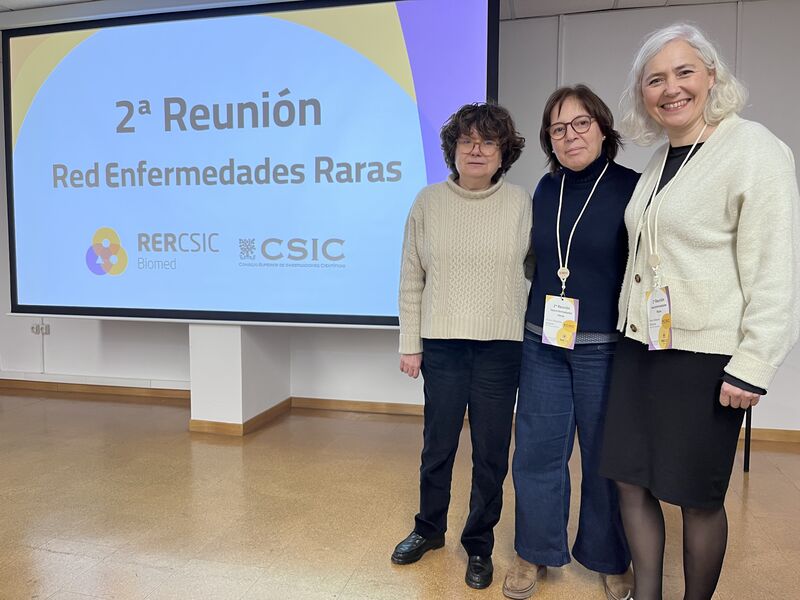
NANBIOSIS researchers contribute to the 2nd CSIC Rare Diseases Network Meeting in Madrid

NANBIOSIS researchers join the 2nd CSIC Rare Diseases Network Meeting in Madrid, strengthening interdisciplinary collaboration in rare disease research.

Madrid, February 2026 — Several researchers from NANBIOSIS and CIBER-BBN based at the IQAC-CSIC took part in the 2nd Meeting of the CSIC Rare Diseases Network, held in Madrid. The event brought together scientists, legal experts, patients, sociologists, and other key stakeholders to address rare diseases from a truly interdisciplinary perspective.

Among the participants were Miriam Royo, Scientific Director of Unit 3, Lluïsa Villaplana, researcher from Unit 2 and Ibane Abasolo, Strategy Advisor of NANBIOSIS. Their participation highlights the strong commitment within NANBIOSIS towards collaborative biomedical research and to advancing knowledge in rare diseases through cutting-edge infrastructures.

Interdisciplinary collaboration for Rare Diseases

Rare diseases affect millions of people worldwide, yet many remain underdiagnosed and lack effective treatments. The CSIC Rare Diseases Network meeting provided an enriching forum to exchange experiences not only among researchers, but also with professionals from the legal and social sciences, as well as patient representatives.

This multidisciplinary dialogue is essential to address the scientific, regulatory, and societal challenges associated with rare disease research, from biomarker discovery to preclinical validation and translational development.

NANBIOSIS Units supporting Rare Disease research

The participation of NANBIOSIS researchers reflects the strategic role of its Units in supporting high-impact biomedical research

Unit 3 – Synthesis of Peptides Unit

Unit 3, coordinated by the Multivalent Systems for Nanomedicine group at IQAC-CSIC, offers advanced services in peptide synthesis (from milligrams to grams), purification, characterization, and post-synthesis modifications, including conjugation to proteins and fluorescent labels.

With extensive expertise in biologically active peptide design and in their incorporation into therapeutic nanoconjugates, Unit 3 supports the development of innovative strategies for targeted therapies—an essential area for many rare diseases with limited treatment options.

Unit 2 – Custom Antibody Service (CAbS)

Unit 2 at IQAC-CSIC is equipped for the development and production of monoclonal and polyclonal antibodies, including hybridoma generation, antibody purification, immunoassays, and bioconjugate synthesis. The Unit operates under ISO9001 certification, ensuring standardized quality control procedures.

Its capabilities in antibody production and immunoreagent development are highly relevant for rare disease research, particularly in biomarker validation, diagnostic assay development, and targeted therapeutic approaches.

By participating in the 2nd CSIC Rare Diseases Network Meeting, NANBIOSIS researchers reinforce the infrastructure’s role as a key enabler of collaborative, translational, and interdisciplinary research in rare diseases—helping bridge the gap between fundamental science and clinical application.

What is NANBIOSIS?

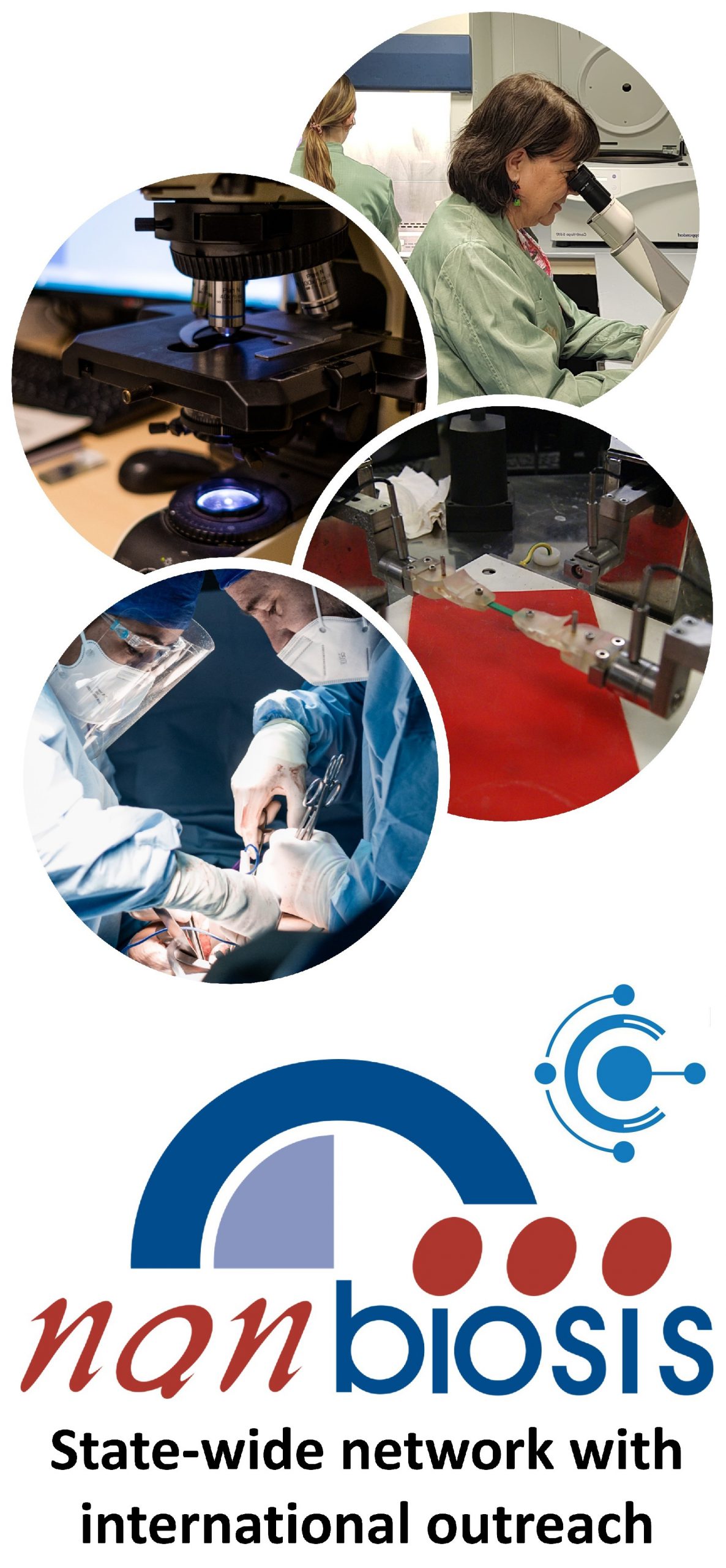
The goal of NANBIOSIS is to provide comprehensive and integrated advanced solutions for companies and research institutions in biomedical applications. All of this is done through a single-entry point, involving the design and production of biomaterials, nanomaterials, and their nanoconjugates. This includes their characterization from physical-chemical, functional, toxicological, and biological perspectives (preclinical validation).

If you want to collaborate with us, visit our Order Request page.
Leading scientists

The main value of NANBIOSIS is our highly qualified and experienced academic scientists, working in public institutions, renowned universities and other research institutes.

Custom solutions

Designed for either scientific collaboration or the private industry, we adapt our services to your needs, filling the gaps and paving the way towards the next breakthrough.

Cutting-Edge facilities

Publicly funded, with the most advanced equipment, offering a wide variety of services from synthesis of nanoparticles and medical devices, including up to preclinical trials.

Standards of quality

Our services have standards of quality required in the pharmaceutical, biotech and medtech sectors, from Good Practices to ISO certifications.

In order to access our Cutting-Edge Biomedical Solutions with priority access, enter our Competitive Call here.

NANBIOSIS has worked with pharmaceutical companies of all sizes in the areas of drug delivery, biomaterials and regenerative medicine. Here are a few of them:
Read More

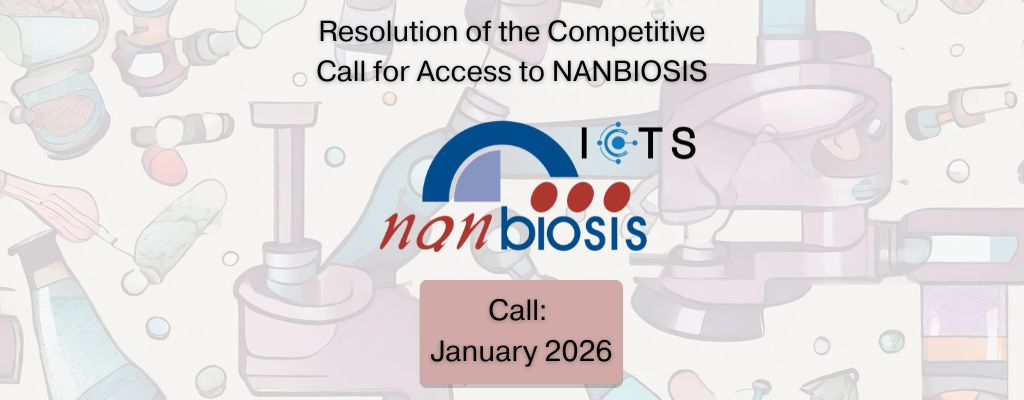
Resolution of the 1st competitive call of 2026 for access to NANBIOSIS

NANBIOSIS is a Research Infrastructure for Biomedicine made up of the Platforms of the Center for Centro de Ivesntigación Biomedica en Red (CIBER– in the area of Bioengineering, Biomaterials, and Nanomedicine -CIBER-BBN), the Preclinical Infrastructure and the Development of Minimally Invasive Technologies, of the Jesús Usón Minimally Invasive Surgery Center (CCMIJU) and the Nanoimaging unit of the Biomedical Research Institute of Malaga-Nanomedicine Platform (IBIMA-BIONAND Platform).

NANBIOSIS as part of the Spanish Map of ICTS (an acronym for “Scientific and Technical Unique Infrastructures” in Spanish), approved by the Ministry of Science and Innovation, is open to all interested national and international users, and who can apply for access under the “Competitive Open Access” or “Access on Demand” modalities.

20% of the capacity of the Units of NANBIOSIS is granted on the Competitive Open Access modality and will be prioritized according to scientific and technical quality and singularity of the applictions.

Click here to see the resolution of the 1st 2026 Open Call.

What is NANBIOSIS?

Leading scientists

The main value of NANBIOSIS is our highly qualified and experienced academic scientists, working in public institutions, renowned universities and other research institutes.

Custom solutions

Designed for either scientific collaboration or the private industry, we adapt our services to your needs, filling the gaps and paving the way towards the next breakthrough.

Cutting-Edge facilities

Publicly funded, with the most advanced equipment, offering a wide variety of services from synthesis of nanoparticles and medical devices, including up to preclinical trials.

Standards of quality

Our services have standards of quality required in the pharmaceutical, biotech and medtech sectors, from Good Practices to ISO certifications.

Read More

How a tumor metabolite changes Glioma behavior and improves treatment response

A new study shows how a tumor metabolite can make aggressive glioma cells more sensitive to treatment, revealing new opportunities for therapy.

Valencia, February 2026 — A recent study published in Biomedicines shows that D-2-hydroxyglutarate (2HG), a molecule produced by certain brain tumors, can significantly change how glioma cells behave. The research demonstrates that when IDH-wildtype glioma cells are exposed to 2HG, they begin to resemble IDH-mutant tumors, becoming less aggressive and more sensitive to standard cancer treatments. The study involved the use of NANBIOSIS research infrastructure (more specifically, Unit 26), underlining its role in advanced biomedical research.

The article, titled “Isocitrate Dehydrogenase-Wildtype Glioma Adapts Toward Mutant Phenotypes and Enhanced Therapy Sensitivity Under D-2-Hydroxyglutarate Exposure” (Biomedicines, 2025), explores how tumor metabolism influences the growth, spread, and treatment response of gliomas.

What are IDH mutations and why do they matter?

Some gliomas carry mutations in a gene called isocitrate dehydrogenase (IDH). These mutations cause tumor cells to produce 2HG, a so-called “oncometabolite” that alters how cells grow and function. Interestingly, patients with IDH-mutant gliomas often respond better to treatment, but the reasons behind this have not been fully understood.

To better understand this effect, researchers compared glioma cells with and without IDH mutations. They studied how the cells behaved under low-oxygen conditions, which are common inside tumors, and how they responded to chemotherapy (temozolomide) and radiotherapy.

What did the researchers find?

The study (full reference at the end of this piece) found clear differences between the two types of tumor cells:

  • IDH-wildtype glioma cells grew faster and adapted more easily to low oxygen levels
  • IDH-mutant cells divided more slowly and showed signs of growth arrest

When IDH-wildtype cells were exposed to 2HG, however, they began to change. These cells showed slower growth, increased cell death during chemotherapy, and changes in surface markers linked to tumor aggressiveness. In other words, 2HG made aggressive tumor cells behave more like the less aggressive IDH-mutant tumors.

Evidence from animal models

The researchers also tested these effects in mouse models of glioma. Tumors formed from IDH-wildtype cells were larger and spread more into surrounding brain tissue. In contrast, tumors exposed to 2HG were smaller and more compact.

Although some tumor cells became more mobile over time, this movement was strongly reduced when chemotherapy or radiotherapy was applied. This suggests that 2HG exposure may increase the effectiveness of existing treatments.

These findings show that tumor metabolism plays a key role in how gliomas grow and respond to therapy. While IDH mutations and 2HG may initially help tumor cells survive, they also appear to make tumors more vulnerable to treatment and less invasive.

Understanding this balance could help researchers identify new treatment strategies that exploit these weaknesses, potentially improving outcomes for patients with glioblastoma and other gliomas.

NANBIOSIS infrastructure supporting the study

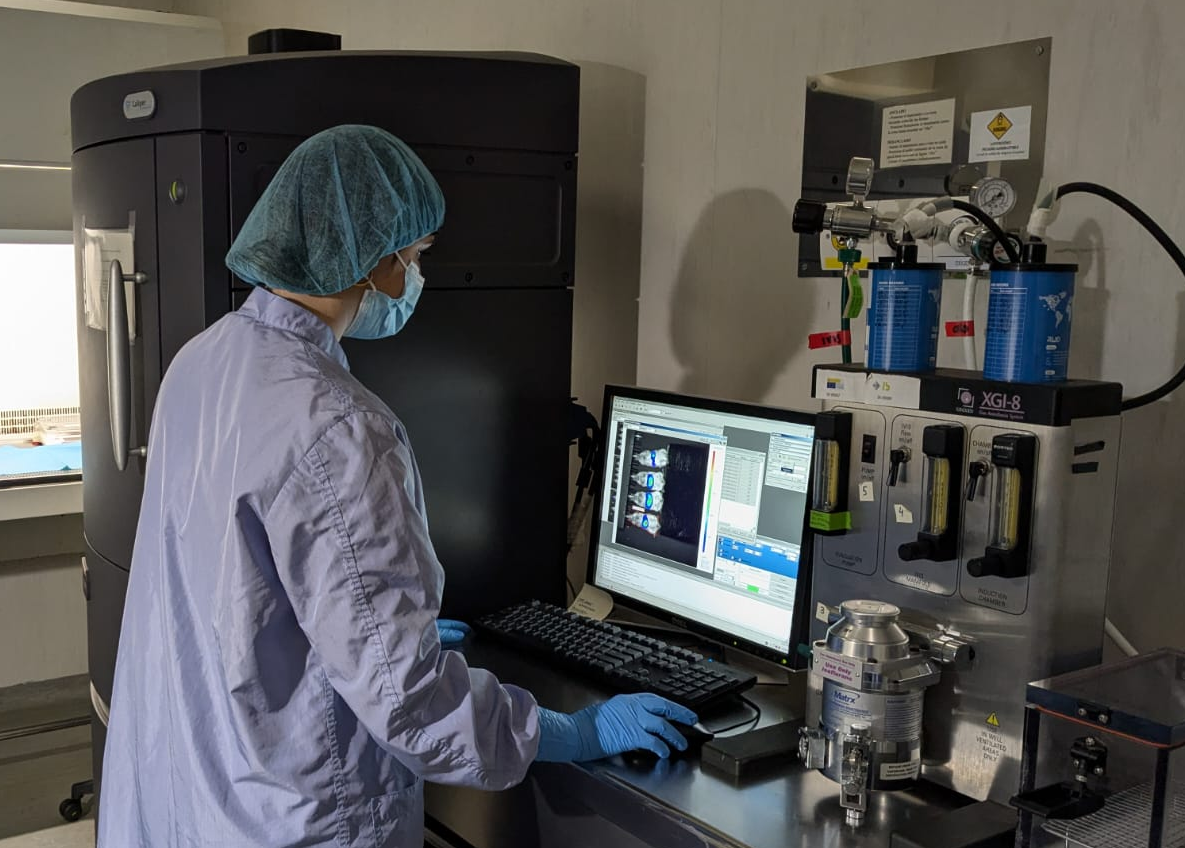
This research involved the use of NANBIOSIS Unit 26 (U26. NMR: Biomedical Applications II). The BMRI-3T (MR Solutions) system, registered at the Unit 26 facility of ICTS NANBIOSIS at the Universitat de València, was used for in vivo imaging studies. The authors also acknowledged Musta Ezzedin Ayoub from the UCIM–Universitat de València imaging team for his contribution to image acquisition.

NANBIOSIS Unit 26 is based at the Faculty of Medicine of the University of Valencia and provides advanced NMR and imaging technologies for biomedical research. The Unit supports studies on metabolism, disease mechanisms, and treatment response in both academic and industrial projects.

Read the full paper here.

What is NANBIOSIS?

The goal of NANBIOSIS is to provide comprehensive and integrated advanced solutions for companies and research institutions in biomedical applications. All of this is done through a single-entry point, involving the design and production of biomaterials, nanomaterials, and their nanoconjugates. This includes their characterization from physical-chemical, functional, toxicological, and biological perspectives (preclinical validation).

If you want to collaborate with us, visit our Order Request page.

Leading scientists

The main value of NANBIOSIS is our highly qualified and experienced academic scientists, working in public institutions, renowned universities and other research institutes.

Custom solutions

Designed for either scientific collaboration or the private industry, we adapt our services to your needs, filling the gaps and paving the way towards the next breakthrough.

Cutting-Edge facilities

Publicly funded, with the most advanced equipment, offering a wide variety of services from synthesis of nanoparticles and medical devices, including up to preclinical trials.

Standards of quality

Our services have standards of quality required in the pharmaceutical, biotech and medtech sectors, from Good Practices to ISO certifications.

In order to access our Cutting-Edge Biomedical Solutions with priority access, enter our Competitive Call here.

NANBIOSIS has worked with pharmaceutical companies of all sizes in the areas of drug delivery, biomaterials and regenerative medicine. Here are a few of them:
Read More

NANBIOSIS strengthens science–industry collaboration at Science for Industry (S4i) 2026 round table

NANBIOSIS takes part in a key S4i 2026 round table on science–industry collaboration, highlighting Spain’s science industry and technology transfer.

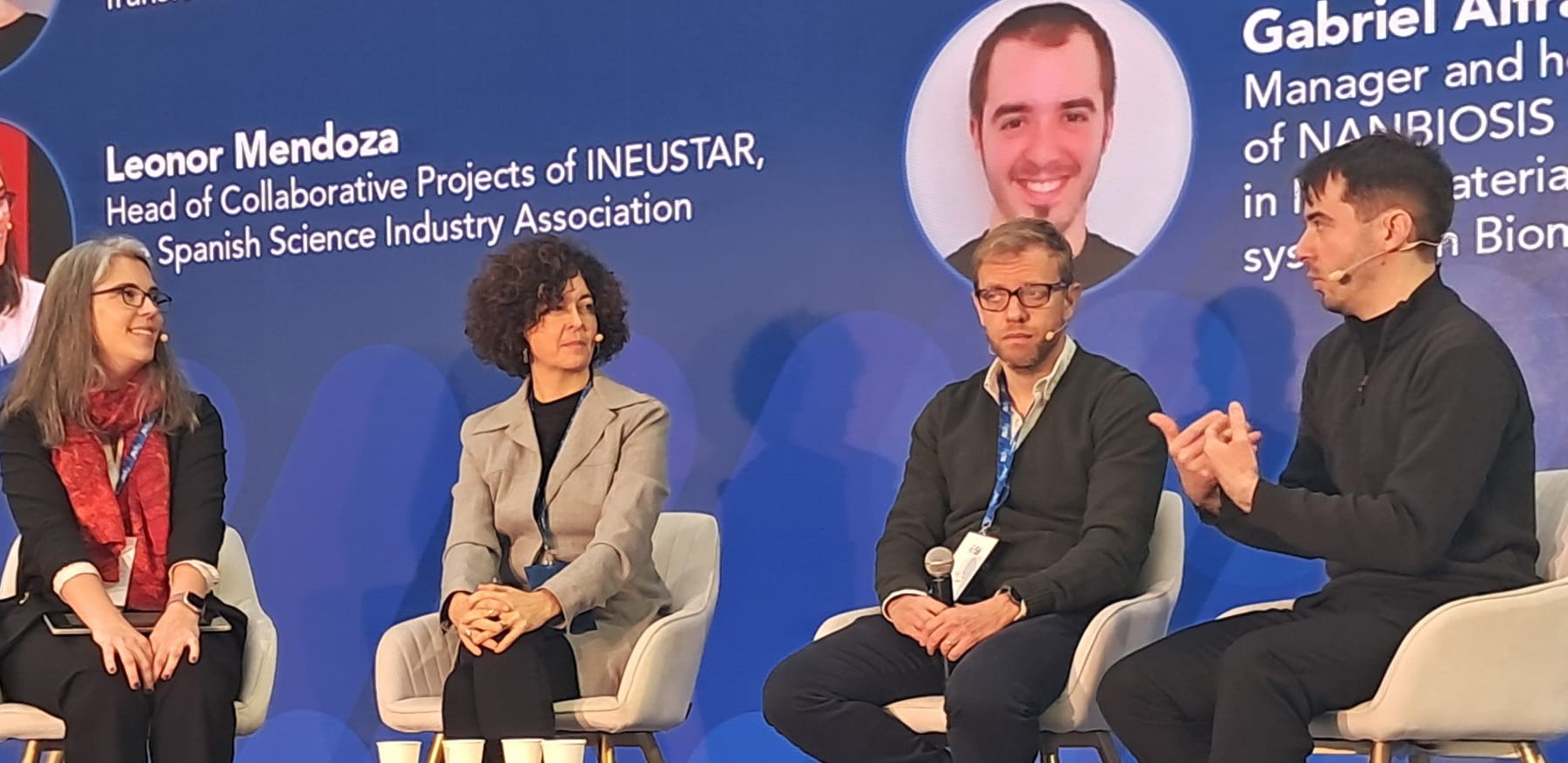
Madrid, February 2026 — Last week, NANBIOSIS contributed to a high-level round table at Science for Industry (S4i) 2026, an event focused on strengthening a knowledge-based economic model and accelerating the commercialization of scientific advances to boost competitiveness in Europe.

S4i 2026 advocates for high-value reindustrialization driven by science, emphasizing the transformative potential of Deep Science to foster innovation, safeguard future growth, and catalyze a significant upturn in the EU economy by shortening the path from research to market.

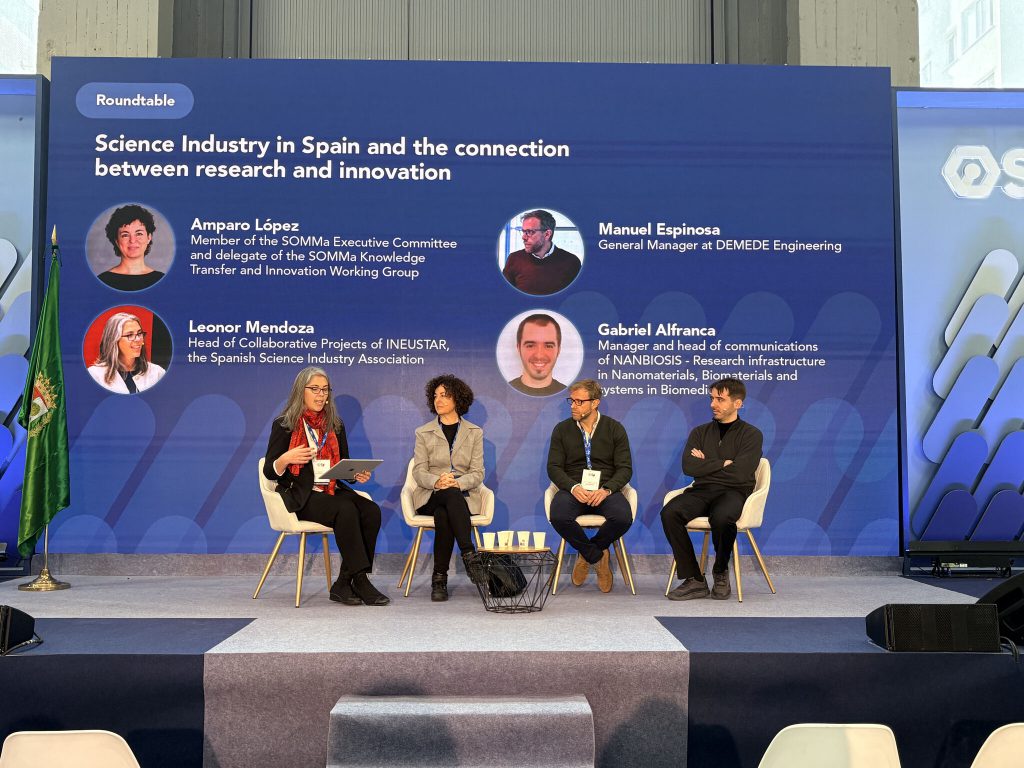
Round table: Science industry in Spain and the connection between research and innovation

The round table, titled “Science industry in Spain and the connection between research and innovation” explored the role and potential of the Spanish science industry ecosystem. The session brought together representatives from public administration, industry, and national research infrastructures to discuss how collaboration can promote innovation, enhance technology transfer, and create new opportunities across sectors.

Participants provided insights into current dynamics between science and industry, the specificities of the science industry market, emerging business models at the science–industry interface, and the success factors for deep tech spin-offs—particularly in biotechnology, ICT, health, and energy.

Speakers

  • Amparo López, Member of the SOMMa Executive Committee and Delegate of the SOMMa Knowledge Transfer and Innovation Working Group
  • Manuel Espinosa, General Manager at DEMEDE Engineering; Engineer & MBA with extensive experience in technology transfer, product design, and deep tech entrepreneurship
  • Leonor Mendoza, Head of Collaborative Projects at INEUSTAR, the Spanish Science Industry Association
  • Gabriel Alfranca, Head of Communications at NANBIOSIS, the Research Infrastructure in Nanomaterials, Biomaterials and Systems in Biomedicine

The roundtable was originally scheduled to be chaired by Javier Echávarri Delmás, National Industry Liaison Officer for Astronomy and Particle Physics at CDTI, who was ultimately unable to attend due to health reasons. The chair was therefore assumed by Leonor Mendoza.

Session structure and key topics

The session included an introduction and speaker presentations, followed by a moderated panel discussion addressing:

  • The mutual dependence of science and industry and current collaboration dynamics in Spain.
  • What differentiates the science industry market and why it represents a strategic opportunity for companies.
  • New business models emerging at the science–industry crossroads, including drivers and challenges, in which NANBIOSIS plays a key role.
  • Critical considerations for the success of deep tech spin-offs originating from scientific research.

By contributing to this round table at S4i 2026, NANBIOSIS reinforces its commitment to fostering collaboration between research infrastructures and industry, supporting technology transfer, and advancing innovation in nanomedicine and biomedicine within the Spanish and European ecosystems.

What is NANBIOSIS?

The goal of NANBIOSIS is to provide comprehensive and integrated advanced solutions for companies and research institutions in biomedical applications. All of this is done through a single-entry point, involving the design and production of biomaterials, nanomaterials, and their nanoconjugates. This includes their characterization from physical-chemical, functional, toxicological, and biological perspectives (preclinical validation).

If you want to collaborate with us, visit our Order Request page.

Leading scientists

The main value of NANBIOSIS is our highly qualified and experienced academic scientists, working in public institutions, renowned universities and other research institutes.

Custom solutions

Designed for either scientific collaboration or the private industry, we adapt our services to your needs, filling the gaps and paving the way towards the next breakthrough.

Cutting-Edge facilities

Publicly funded, with the most advanced equipment, offering a wide variety of services from synthesis of nanoparticles and medical devices, including up to preclinical trials.

Standards of quality

Our services have standards of quality required in the pharmaceutical, biotech and medtech sectors, from Good Practices to ISO certifications.

In order to access our Cutting-Edge Biomedical Solutions with priority access, enter our Competitive Call here.

NANBIOSIS has worked with pharmaceutical companies of all sizes in the areas of drug delivery, biomaterials and regenerative medicine. Here are a few of them:
Read More

NANBIOSIS advances targeted nanomedicine for Acute Myeloid Leukemia on World Cancer Day

NANBIOSIS Unit 18 contributes to two studies advancing CXCR4-targeted nanoconjugates for acute myeloid leukemia, highlighted on World Cancer Day.

On the occasion of World Cancer Day, NANBIOSIS highlights the recent publication of two scientific articles advancing a novel line of research focused on the development of targeted nanoconjugates for the treatment of acute myeloid leukemia (AML). Both studies include the active participation of NANBIOSIS Unit 18, reinforcing the Unit’s role in the preclinical development and evaluation of innovative cancer nanomedicines.

Optimizing conjugation strategies to enhance antitumor efficacy

The first study, Conjugation strategy shapes antitumor efficacy and enables dose-sparing in non-antibody protein nanoconjugates, addresses a key challenge in cancer nanomedicine: improving therapeutic selectivity while minimizing systemic toxicity. While antibody–drug conjugates (ADCs) are considered the gold standard in targeted therapies, their clinical limitations have driven the search for alternative approaches.

In this work, researchers evaluated how site-specific conjugation strategies influence the biodistribution and antitumor efficacy of a CXCR4-targeted multivalent protein nanocarrier loaded with the cytotoxic drug monomethyl auristatin E (MMAE). The results demonstrated that precise payload positioning significantly impacts therapeutic performance. Notably, a site-specific design achieved comparable tumor control with a four-fold lower drug load, highlighting the potential of dose-sparing strategies in next-generation protein-based nanomedicines.

Precision targeting of CXCR4⁺ leukemia cells in AML models

The second publication, Precision targeting of CXCR4+ leukemia cells by a humanized MMAE-nanoconjugate in an AML mouse model, focuses on overcoming chemoresistance and relapse in AML, which are largely driven by therapy-resistant leukemic stem cells in the bone marrow.

The study describes the development of T22-HSNBT-H6-MMAE, a humanized nanoconjugate designed to selectively target CXCR4-overexpressing leukemia cells, a biomarker associated with poor prognosis in approximately 50% of AML patients. In vitro and in vivo experiments demonstrated potent antileukemic activity, including complete suppression of leukemic dissemination and prolonged survival in a disseminated AML mouse model, without systemic toxicity. Importantly, the nanoconjugate showed selectivity for malignant cells while sparing healthy bone marrow and peripheral blood cells.

The role of NANBIOSIS Unit 18

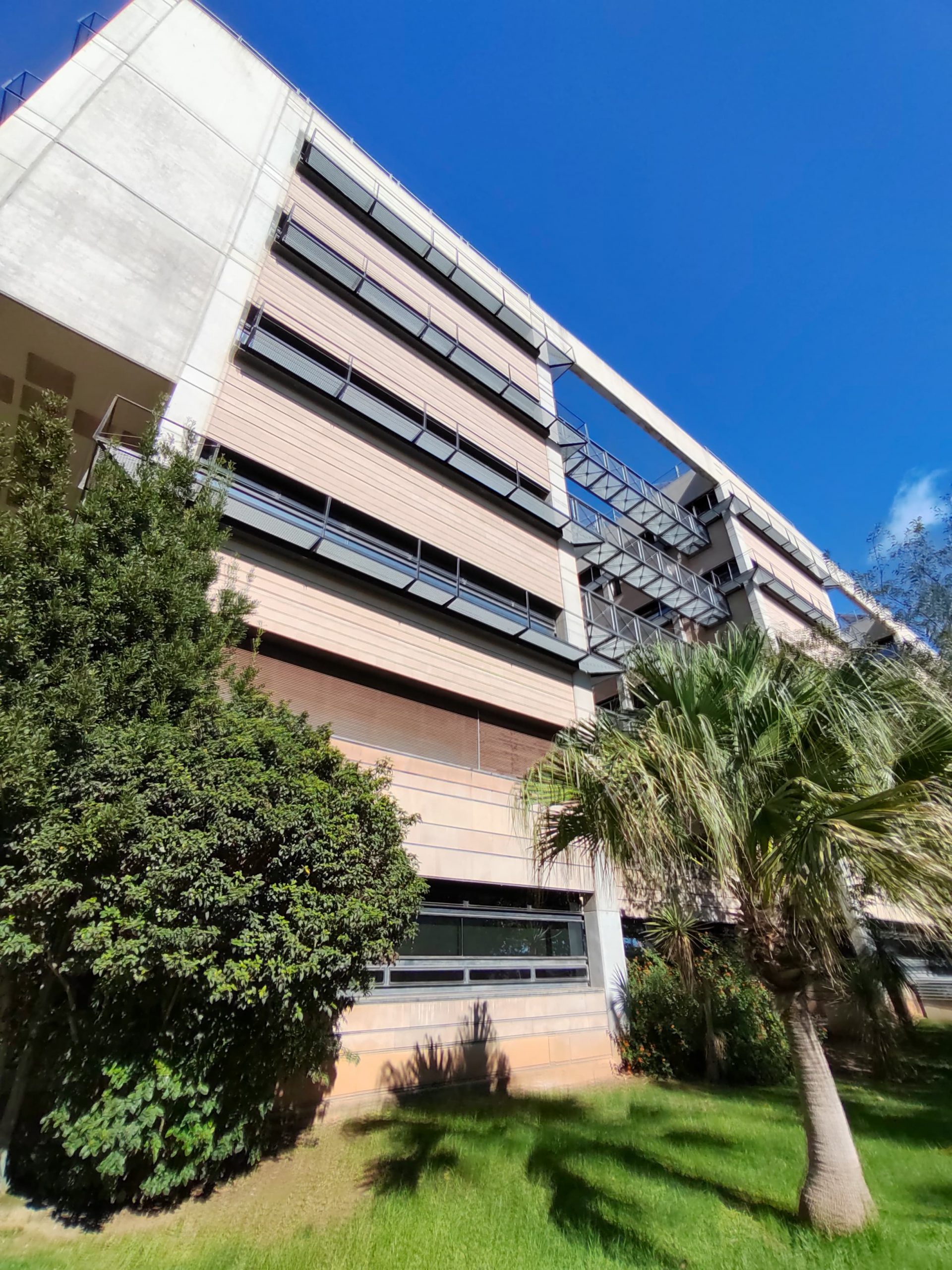
NANBIOSIS Unit 18, located at the Hospital de la Santa Creu i Sant Pau (Barcelona) and coordinated by Dr. Ramón Mangues, specializes in nanotoxicology and preclinical safety assessment. The Unit evaluates the toxicity and tolerability of new drugs, nanoparticles and nanotechnology-based biomaterials using in vitro and in vivo models, supporting the optimization of lead compounds with higher probabilities of clinical success.

With advanced facilities for cell culture, flow cytometry, confocal microscopy and in vivo experimentation in small animal models, Unit 18 plays a key role in ensuring the safety, efficacy and translational potential of innovative nanomedicine approaches.

Together, these two studies underscore the contribution of NANBIOSIS to cutting-edge cancer research and highlight the promise of CXCR4-targeted nanoconjugates as a new therapeutic strategy for patients with acute myeloid leukemia.

What is NANBIOSIS?

The goal of NANBIOSIS is to provide comprehensive and integrated advanced solutions for companies and research institutions in biomedical applications. All of this is done through a single-entry point, involving the design and production of biomaterials, nanomaterials, and their nanoconjugates. This includes their characterization from physical-chemical, functional, toxicological, and biological perspectives (preclinical validation).

If you want to collaborate with us, visit our Order Request page.

Leading scientists

The main value of NANBIOSIS is our highly qualified and experienced academic scientists, working in public institutions, renowned universities and other research institutes.

Custom solutions

Designed for either scientific collaboration or the private industry, we adapt our services to your needs, filling the gaps and paving the way towards the next breakthrough.

Cutting-Edge facilities

Publicly funded, with the most advanced equipment, offering a wide variety of services from synthesis of nanoparticles and medical devices, including up to preclinical trials.

Standards of quality

Our services have standards of quality required in the pharmaceutical, biotech and medtech sectors, from Good Practices to ISO certifications.

In order to access our Cutting-Edge Biomedical Solutions with priority access, enter our Competitive Call here.

NANBIOSIS has worked with pharmaceutical companies of all sizes in the areas of drug delivery, biomaterials and regenerative medicine. Here are a few of them:
Read More