

+34 620 10 75 37info@nanbiosis.com

Posts on Jan 1970

NANBIOSIS Unit 6 inspires future scientists with school visit to ICMAB-CSIC

NANBIOSIS Unit 6 opens its doors to high school students, inspiring future scientists through hands-on experience in soft materials research.

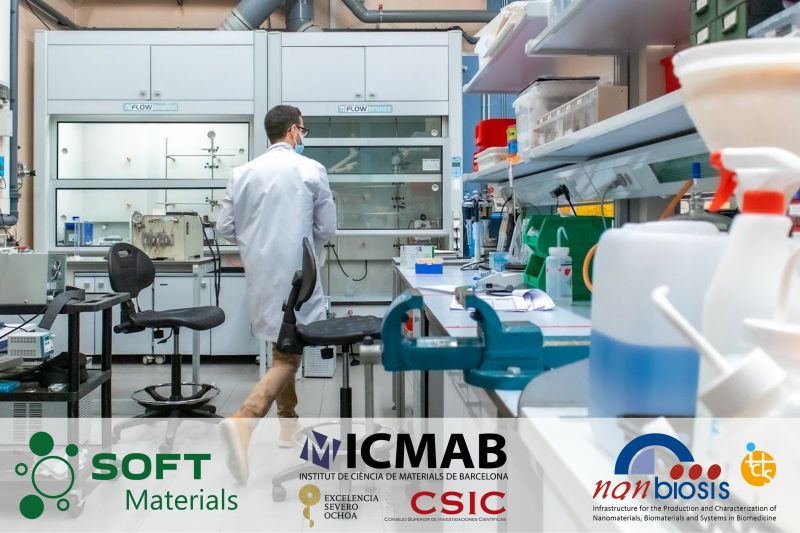
Barcelona, March 2026 — On Friday, March 6, the Soft Materials Service (Unit 6) of NANBIOSIS welcomed a group of 4th-year secondary school students for an educational visit to its facilities at the Institut de Ciència de Materials de Barcelona (ICMAB-CSIC).

Students from Mare de Déu de la Gleva (Les Masies de Voltregà) and Llissach (Santpedor) had the opportunity to explore cutting-edge research environments and gain first-hand insight into the science behind advanced materials.

Bringing Soft Materials research closer to young minds

During the visit, students were introduced to the full workflow of soft materials research—from preparation to physicochemical characterization. Researchers at the SOFT service demonstrated how nano- and microstructured materials are developed and analyzed, highlighting their relevance in fields such as biomedicine and nanotechnology.

Participants explored specialized equipment used for processing materials with compressed fluids, including CO₂-based technologies, and learned about advanced techniques for characterizing particulate systems. These demonstrations provided a tangible understanding of how scientific concepts translate into real-world applications.

A unique facility at the forefront of nanomaterials

NANBIOSIS Unit 6 Soft Materials Service is a leading facility dedicated to the preparation and characterization of molecular soft materials. Located in Barcelona, the Unit operates within the NANOMOL group, renowned for its expertise in molecular and polymeric materials.

The facility supports the development of biomaterials with controlled micro, nano, and supramolecular structures, which are essential for therapeutic and biomedical applications. Among its key technologies is the DELOS-SUSP methodology, a one-step process based on compressed fluids that enables precise and reproducible production of particulate materials.

Unit 6 also stands out for its ability to scale up processes—from milliliter to liter volumes—facilitating the transition from laboratory research to industrial applications under a Quality by Design (QbD) approach. The service operates under ISO 9001 certification, ensuring high standards in quality management.

Encouraging Scientific Curiosity and Future Careers

Initiatives like this school visit play a crucial role in bridging the gap between research institutions and society. By opening their doors to young students, facilities like NANBIOSIS Unit 6 help spark interest in science, technology, engineering, and mathematics (STEM) careers.

These experiences not only enhance scientific literacy but also inspire the next generation of researchers and innovators.

Visit NANBIOSIS Facilities

Educational institutions interested in organizing similar visits to NANBIOSIS facilities can contact directly at: gabriel.alfranca [at] ciber-bbn.es

What is NANBIOSIS?

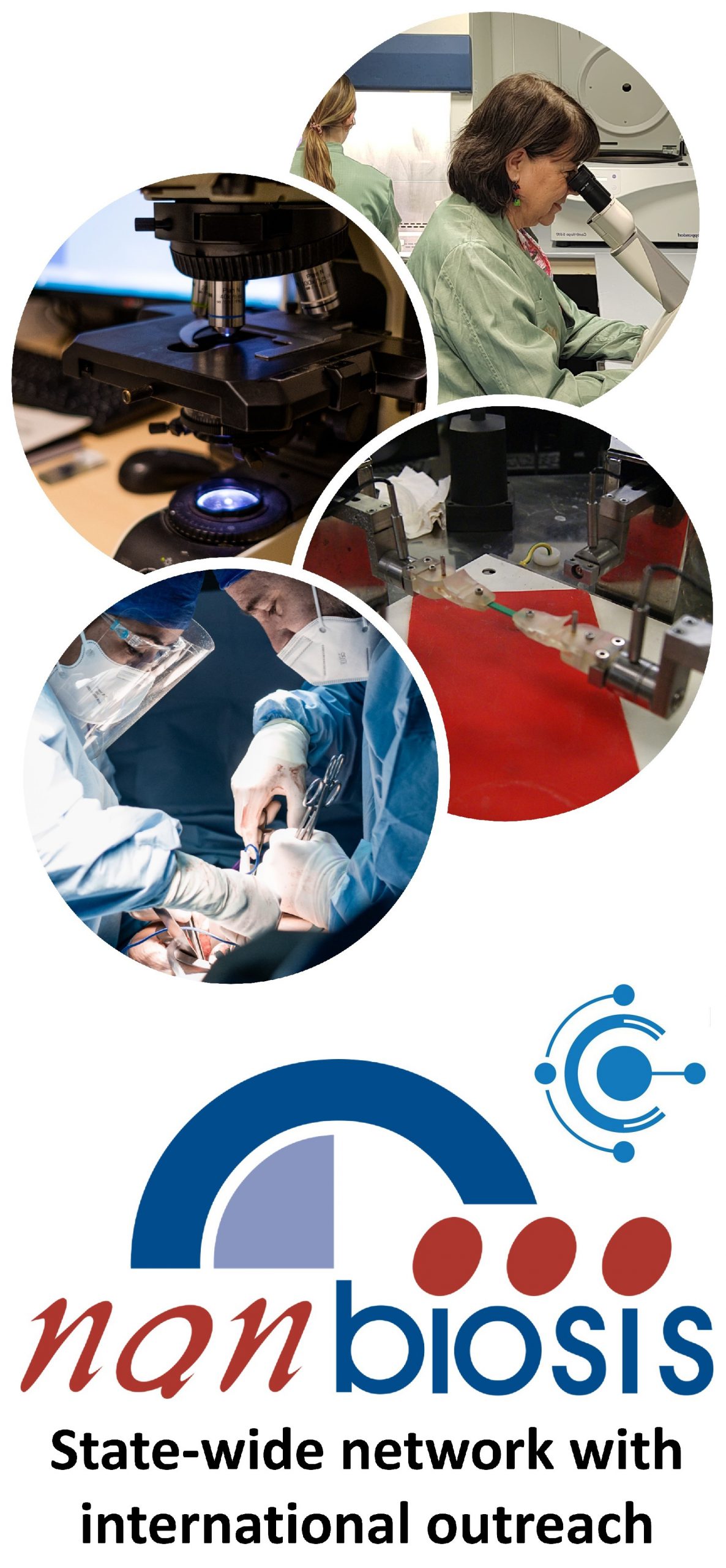
The goal of NANBIOSIS is to provide comprehensive and integrated advanced solutions for companies and research institutions in biomedical applications. All of this is done through a single-entry point, involving the design and production of biomaterials, nanomaterials, and their nanoconjugates. This includes their characterization from physical-chemical, functional, toxicological, and biological perspectives (preclinical validation).

If you want to collaborate with us, visit our Order Request page.
Leading scientists

The main value of NANBIOSIS is our highly qualified and experienced academic scientists, working in public institutions, renowned universities and other research institutes.

Custom solutions

Designed for either scientific collaboration or the private industry, we adapt our services to your needs, filling the gaps and paving the way towards the next breakthrough.

Cutting-Edge facilities

Publicly funded, with the most advanced equipment, offering a wide variety of services from synthesis of nanoparticles and medical devices, including up to preclinical trials.

Standards of quality

Our services have standards of quality required in the pharmaceutical, biotech and medtech sectors, from Good Practices to ISO certifications.

In order to access our Cutting-Edge Biomedical Solutions with priority access, enter our Competitive Call here.

NANBIOSIS has worked with pharmaceutical companies of all sizes in the areas of drug delivery, biomaterials and regenerative medicine. Here are a few of them:
Read More

NANBIOSIS showcases colloidal characterization expertise at the 54 CED Annual Meeting

NANBIOSIS Unit 12 showcased advanced colloidal characterization technologies at the 54 CED Annual Meeting, highlighting their role in product innovation.

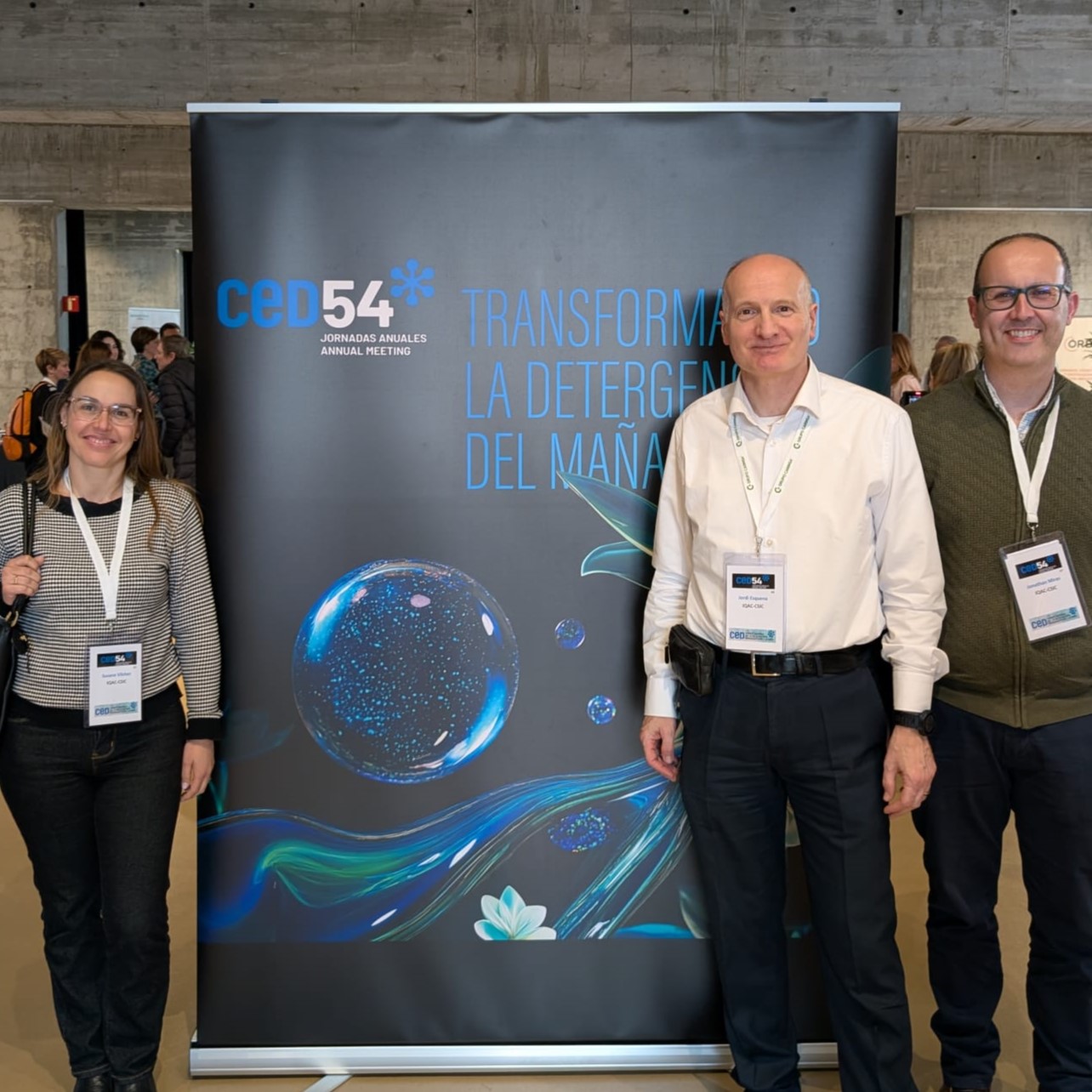
Barcelona, March 2026 — Last March 11–12, NANBIOSIS Unit 12 actively participated in the 54 CED Annual Meeting, a key international forum bringing together industry leaders and scientific experts in detergency, cosmetics, and colloidal systems.

The event provided a valuable platform for knowledge exchange and collaboration between academia and industry, reinforcing the importance of advanced characterization techniques in the development and optimization of innovative products.

Advancing Colloidal Science for Industry Applications

During the meeting, NANBIOSIS Unit 12 highlighted its cutting-edge capabilities in the comprehensive characterization of colloidal systems. The Unit emphasized the critical role of particle analysis in ensuring product performance, stability, and quality control across sectors such as cosmetics, pharmaceuticals, and detergents.

Among the featured contributions were:

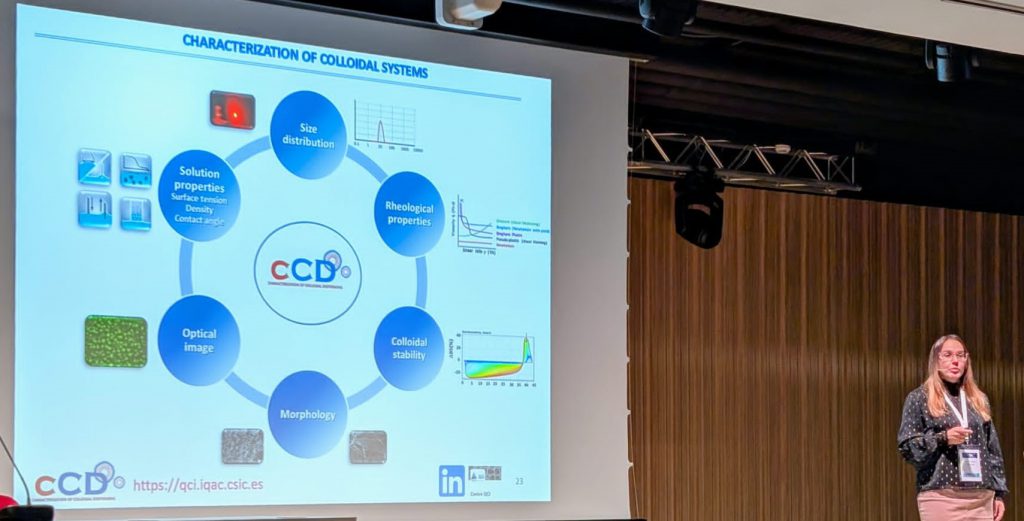
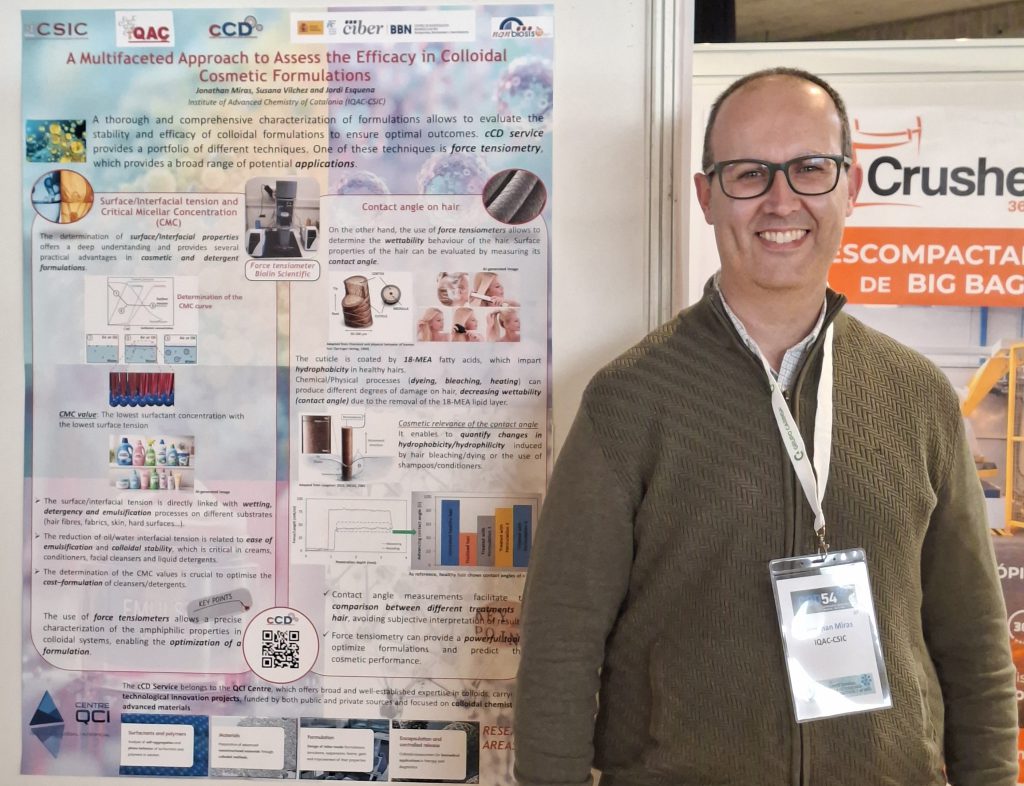
  • Oral presentation: “Particle size as a key parameter in the characterization of colloids”, delivered by Susana Vílchez
  • Poster presentation: “A Multifaceted Approach to Assess the Efficacy in Colloidal Cosmetics Formulations”, presented by Jonathan Miras

Oral presentation: “Particle size as a key parameter in the characterization of colloids”, delivered by Susana Vílchez

These contributions showcased how advanced analytical techniques can provide deeper insights into colloidal formulations, ultimately supporting more efficient product development and improved consumer outcomes.

Poster presentation: “A Multifaceted Approach to Assess the Efficacy in Colloidal Cosmetics Formulations”, presented by Jonathan Miras

About NANBIOSIS Unit 12

NANBIOSIS Unit 12 (Nanostructured Liquid Characterization) is hosted at the Institute of Advanced Chemistry of Catalonia (IQAC-CSIC), part of the Spanish National Research Council (CSIC), in Barcelona.

The Unit is coordinated by the Colloid and Interfacial Chemistry Group and led by Scientific Director Prof. Carlos Rodríguez, with Jordi Esquena as Scientific Coordinator.

Unit 12 specializes in the characterization of nanostructures in liquid systems and interfaces, including micelles, liposomes, nanoemulsions, and nanoparticles. Its state-of-the-art infrastructure enables detailed analysis of key parameters such as:

  • Particle size distribution and zeta potential
  • Critical micelle concentration (CMC)
  • Surface and interfacial tension
  • Colloidal stability and solubilization capacity
  • Rheological properties (viscosity, shear, and elastic moduli)

These capabilities make Unit 12 a strategic partner for both academic and industrial stakeholders seeking advanced solutions in nanomedicine, cosmetics, and materials science.

Strengthening Industry Collaboration Through NANBIOSIS

Participation in events like the CED Annual Meeting highlights NANBIOSIS’ commitment to bridging scientific excellence and industrial innovation. By showcasing its technological capabilities and engaging with industry professionals, Unit 12 continues to foster collaborations that accelerate the translation of research into real-world applications.

More information about the event here.

What is NANBIOSIS?

The goal of NANBIOSIS is to provide comprehensive and integrated advanced solutions for companies and research institutions in biomedical applications. All of this is done through a single-entry point, involving the design and production of biomaterials, nanomaterials, and their nanoconjugates. This includes their characterization from physical-chemical, functional, toxicological, and biological perspectives (preclinical validation).

If you want to collaborate with us, visit our Order Request page.

Leading scientists

The main value of NANBIOSIS is our highly qualified and experienced academic scientists, working in public institutions, renowned universities and other research institutes.

Custom solutions

Designed for either scientific collaboration or the private industry, we adapt our services to your needs, filling the gaps and paving the way towards the next breakthrough.

Cutting-Edge facilities

Publicly funded, with the most advanced equipment, offering a wide variety of services from synthesis of nanoparticles and medical devices, including up to preclinical trials.

Standards of quality

Our services have standards of quality required in the pharmaceutical, biotech and medtech sectors, from Good Practices to ISO certifications.

In order to access our Cutting-Edge Biomedical Solutions with priority access, enter our Competitive Call here.

NANBIOSIS has worked with pharmaceutical companies of all sizes in the areas of drug delivery, biomaterials and regenerative medicine. Here are a few of them:
Read More

New animal study reveals overlooked fecal metabolites linked to early liver disease under high-fat diet

New research reveals previously overlooked fecal metabolites linked to early MASLD under a high-fat diet, highlighting gut–liver metabolic interactions.

Valencia, March 2026 — A new scientific study has uncovered previously underexplored metabolites in the fecal metabolome that may play an important role in the early development of metabolic liver disease. The research, titled The Hidden Players of the Fecal Metabolome: Metabolic Dysregulation Beyond SCFAs Under a High-Fat Diet and published in the journal Metabolites, provides new insights into how diet and gut microbiota interact to influence host metabolism.

The work also acknowledges the contribution of NANBIOSIS Unit 26, whose team supported the experimental procedures required for the animal study.

Looking beyond short-chain fatty acids

The gut microbiota plays a central role in metabolic health, influencing the development of conditions such as metabolic dysfunction-associated steatotic liver disease (MASLD), a growing global health concern previously known as non-alcoholic fatty liver disease.

Most research on gut microbial metabolism has focused on short-chain fatty acids (SCFAs), widely recognized for their role in host physiology. However, this study expands the scope by examining additional metabolites involved in energy metabolism, amino-acid turnover, bile acid regulation, and microbial fermentation.

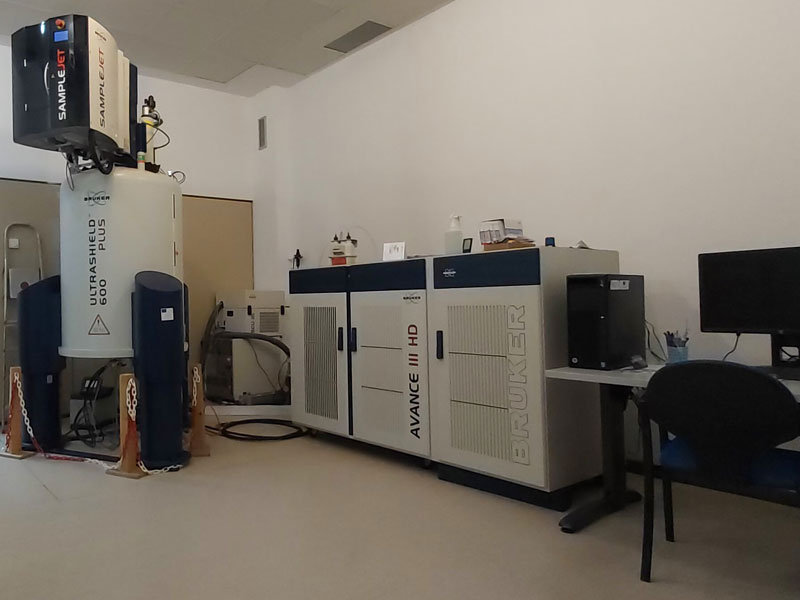
Using proton nuclear magnetic resonance (¹H-NMR) spectroscopy, researchers analyzed fecal samples from male and female Wistar rats fed a high-fat diet for 21 weeks—an experimental model previously validated to mimic early stages of MASLD.

Distinct metabolic signatures linked to diet and sex

The analysis revealed significant metabolic changes associated with high-fat diet exposure and sex differences. Among the most notable findings were alterations in bile acids such as cholate and glycocholate, suggesting disruptions in enterohepatic circulation—a key pathway linking liver function and gut metabolism.

Researchers also detected elevated levels of fucose, a sugar that has been associated with liver pathology. At the same time, the metabolic profile indicated shifts in energy metabolism, including increased levels of acetoacetate and malonate alongside reduced lactate production. These changes point to altered pyruvate metabolism and possible inhibition of the tricarboxylic acid (TCA) cycle.

Additional differences were found in metabolites related to branched-chain amino acid (BCAA) catabolism, including 3-methyl-2-oxovalerate and 3-aminoisobutyrate, reinforcing previous evidence that high-fat diets disrupt amino-acid metabolism.

The study also identified changes in microbial fermentation products such as methanol and ethanol, suggesting shifts in gut microbial activity under high-fat dietary conditions.

New insights into early MASLD mechanisms

Together, these findings provide a functional interpretation of several metabolites that had been previously detected but not fully understood in earlier longitudinal studies. By linking these compounds to both hepatic and microbial metabolic processes, the research offers new biological insights into the mechanisms that may drive the early stages of MASLD.

Understanding these metabolic alterations could ultimately contribute to the identification of new biomarkers or therapeutic targets for metabolic liver diseases.

NANBIOSIS contribution

The researchers acknowledged the support of Ana Díaz and Mustafa Ezzeddin Ayoub from NANBIOSIS Unit 26, who assisted with animal housing and euthanasia at the Central Unit for Research in Medicine (UCIM) of the University of Valencia.

NANBIOSIS Unit 26 provides advanced metabolomics capabilities through high-field nuclear magnetic resonance (NMR). Located at the Faculty of Medicine of the University of Valencia, the unit hosts a 14-Tesla NMR platform capable of generating highly detailed metabolic profiles of biofluids, tissues, and cell lines.

The Unit is coordinated by Ramón Martínez Máñez of the Universidad Politécnica de Valencia together with Salvador Gil, Director of the Central Service for Experimental Research (SCSIE).

By enabling high-precision metabolomic analyses and supporting experimental research infrastructure, NANBIOSIS continues to facilitate cutting-edge studies exploring the complex interactions between metabolism, diet, and disease.

What is NANBIOSIS?

The goal of NANBIOSIS is to provide comprehensive and integrated advanced solutions for companies and research institutions in biomedical applications. All of this is done through a single-entry point, involving the design and production of biomaterials, nanomaterials, and their nanoconjugates. This includes their characterization from physical-chemical, functional, toxicological, and biological perspectives (preclinical validation).

If you want to collaborate with us, visit our Order Request page.

Leading scientists

The main value of NANBIOSIS is our highly qualified and experienced academic scientists, working in public institutions, renowned universities and other research institutes.

Custom solutions

Designed for either scientific collaboration or the private industry, we adapt our services to your needs, filling the gaps and paving the way towards the next breakthrough.

Cutting-Edge facilities

Publicly funded, with the most advanced equipment, offering a wide variety of services from synthesis of nanoparticles and medical devices, including up to preclinical trials.

Standards of quality

Our services have standards of quality required in the pharmaceutical, biotech and medtech sectors, from Good Practices to ISO certifications.

In order to access our Cutting-Edge Biomedical Solutions with priority access, enter our Competitive Call here.

NANBIOSIS has worked with pharmaceutical companies of all sizes in the areas of drug delivery, biomaterials and regenerative medicine. Here are a few of them:
Read More

MSCA COFUND Fellows Gather in Madrid for National Networking Event Organised by FECYT and CIBER

Researchers from MSCA COFUND programmes met in Madrid for a national networking event organised by FECYT and CIBER to strengthen collaboration and career development.

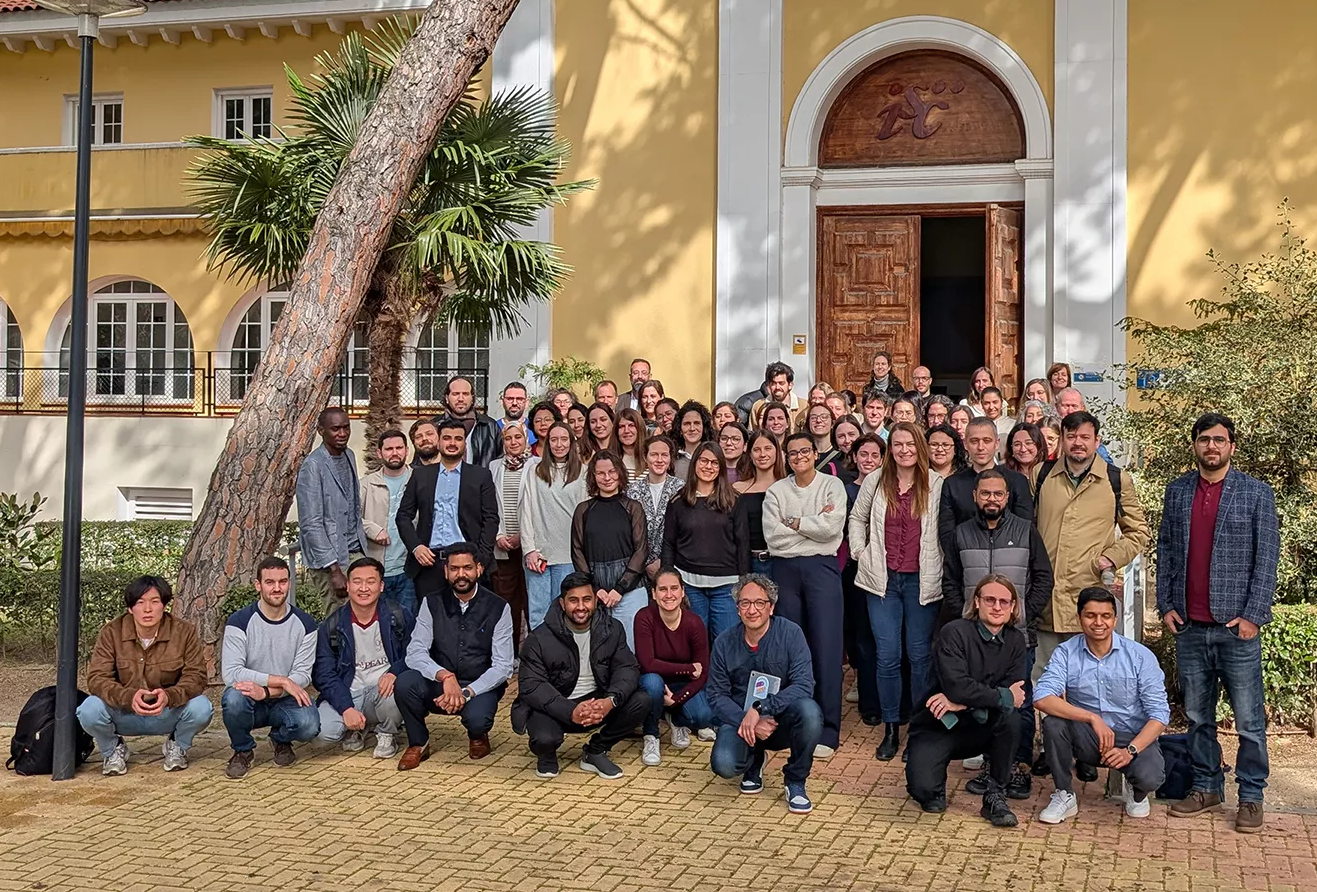
Madrid, March 2026 — Early-career researchers from across Spain gathered in Madrid last 4–5 March 2026 for the Inter MSCA COFUND Fellow Networking Event, a national meeting designed to strengthen collaboration, share research outcomes, and support career development within the European research ecosystem.

The event was organised by the Spanish Foundation for Science and Technology (FECYT) and the Centro de Investigación Biomédica en Red (CIBER) and took place at the headquarters of the Instituto de Salud Carlos III (ISCIII) in Madrid. It brought together researchers funded through the Marie Skłodowska‑Curie Actions (MSCA) COFUND programme as well as programme managers involved in European research initiatives, including the ARISTOS programme coordinated from CIBER.

The meeting aimed to foster collaboration between fellows from different MSCA COFUND programmes active in Spain, encourage interdisciplinary exchange, and provide guidance on research careers and European funding opportunities.

Supporting Career Development and Scientific Collaboration

The event was co-led by CIBER through the ARISTOS programme, a strategic initiative designed to promote scientific excellence and build professional networks among researchers participating in COFUND programmes.

In addition to the organisers, the Marie Curie Alumni Association (MCAA) contributed sessions focused on supporting researchers in their professional development after completing COFUND programmes.

During the first day, the coordination team of EURAXESS Spain—an initiative of the European Commission dedicated to facilitating researcher mobility and career development—led an interactive workshop on career planning. Participants explored strategies for navigating the Spanish research ecosystem and identifying future professional opportunities.

Guidance on European Research Funding

The second day focused on funding opportunities offered by the European Union. National Contact Points from FECYT’s European Office provided guidance on how to access key programmes such as:

  • Marie Skłodowska‑Curie Actions Postdoctoral Fellowships (MSCA-PF)
  • European Research Council (ERC)
  • European Innovation Council (EIC)

Representatives from the MCAA also presented initiatives open to all MSCA fellows, including a talk by a member of the association’s Artificial Intelligence working group. The session explored how AI tools can assist researchers in preparing competitive scientific proposals.

Networking Across Scientific Disciplines

The event concluded with structured networking sessions organised into five thematic panels: Life Sciences, Chemistry, Engineering, Physics, and Social Sciences.

A total of 79 predoctoral and postdoctoral researchers from 13 different MSCA COFUND programmes participated in the meeting. Among them, 37 fellows presented their research activities, encouraging interdisciplinary discussion and the creation of new collaborations.

ARISTOS: A Strategic Programme for Biomedical Research

One of the programmes represented at the event was ARISTOS, a strategic initiative in Biomedicine and Health Sciences coordinated by CIBER. The programme offers 27 postdoctoral contracts to highly qualified researchers through a competitive selection process designed to promote international, intersectoral, and interdisciplinary research.

ARISTOS has received funding from the European Union’s Horizon Europe research and innovation programme under the Marie Skłodowska-Curie grant agreement No. 101081334.

A NANBIOSIS-Linked Researcher Among the Fellows

Among the ARISTOS fellows is Sofia Romagnoli, a biomedical engineer originally from Italy. She obtained both her Bachelor’s and Master’s degrees in Biomedical Engineering from the Università Politecnica delle Marche in 2017 and 2020, respectively, and completed her PhD there in 2024.

During her doctoral research, Romagnoli focused on bioengineering approaches to enhance athletes’ performance and safety through wearable technologies.

Following her PhD, she joined the Biomedical Signal Interpretation and Computational Simulation (BSICoS) group at the University of Zaragoza. Her current research investigates electrocardiographic biomarkers to better characterize cardiac diseases and identify arrhythmic risk.

The BSICoS group is closely connected to NANBIOSIS through Unit 27, a high-performance computing service located at the Aragon Institute of Engineering Research (I3A). This infrastructure provides advanced computational resources—including a cluster for high-performance computing, large-scale data storage, and specialised research software—to support multidisciplinary research in biomedical engineering, information and communications technologies, industrial technology, and process engineering.

Unit 27 is coordinated by Pablo Laguna, principal investigator of the Biomedical Signal Interpretation and Computational Simulation (BSICoS) group.

Read the original Spanish article here.

Part of the event was published as a recorded session that can be watched here.

What is NANBIOSIS?

The goal of NANBIOSIS is to provide comprehensive and integrated advanced solutions for companies and research institutions in biomedical applications. All of this is done through a single-entry point, involving the design and production of biomaterials, nanomaterials, and their nanoconjugates. This includes their characterization from physical-chemical, functional, toxicological, and biological perspectives (preclinical validation).

If you want to collaborate with us, visit our Order Request page.

Leading scientists

The main value of NANBIOSIS is our highly qualified and experienced academic scientists, working in public institutions, renowned universities and other research institutes.

Custom solutions

Designed for either scientific collaboration or the private industry, we adapt our services to your needs, filling the gaps and paving the way towards the next breakthrough.

Cutting-Edge facilities

Publicly funded, with the most advanced equipment, offering a wide variety of services from synthesis of nanoparticles and medical devices, including up to preclinical trials.

Standards of quality

Our services have standards of quality required in the pharmaceutical, biotech and medtech sectors, from Good Practices to ISO certifications.

In order to access our Cutting-Edge Biomedical Solutions with priority access, enter our Competitive Call here.

NANBIOSIS has worked with pharmaceutical companies of all sizes in the areas of drug delivery, biomaterials and regenerative medicine. Here are a few of them:
Read More

Spanish biotech calls for stronger strategic autonomy at the Ministry of Science

Spain’s biotech leaders present a 10-point manifesto to strengthen strategic autonomy, calling for stronger investment, infrastructure and innovation policies.

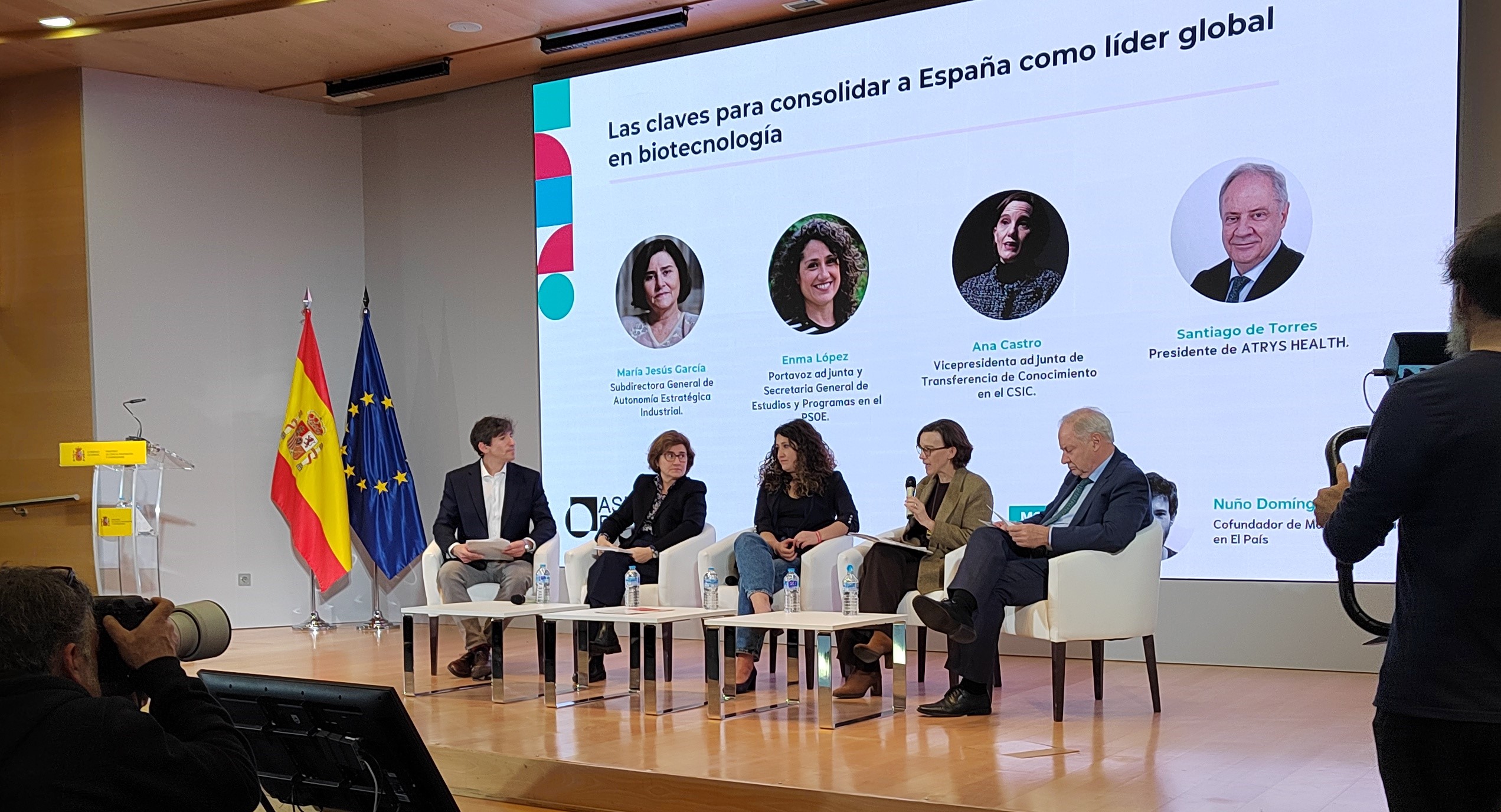
Madrid, March 2026 — Yesterday, policymakers, industry leaders and research representatives gathered in Madrid for the event “The Innovative Biotechnology Sector and its Role in Strategic Autonomy.” The meeting highlighted the importance of biotechnology for the economic competitiveness, healthcare resilience and technological sovereignty of Spain.

Organized by AseBio and held at the headquarters of the Ministry of Science, Innovation and Universities, the event brought together government officials, scientists and biotech executives to present a new manifesto outlining ten key measures to position Spain as a global biotechnology leader.

Biotechnology as a pillar of strategic autonomy

During the institutional opening, representatives from the Spanish government emphasized the growing geopolitical relevance of biotechnology. Speakers noted that the COVID-19 pandemic and global supply disruptions revealed Europe’s dependence on external suppliers for essential medicines and health technologies.

In response, the biotech community is calling for stronger national and European strategies to ensure domestic capacity in areas such as biomanufacturing, advanced therapies and biotechnology-based industrial processes.

According to data presented during the event, biotechnology already represents a significant component of the Spanish economy. The sector accounted for 1.1% of the GDP of Spain, and more than 131,000 jobs in 2023, reflecting its increasing role as a driver of innovation and high-value employment.

A 10-point manifesto for the future of biotech

A central moment of the event was the presentation of a manifesto by Ion Arocena, Managing Director of AseBio, outlining ten measures designed to strengthen Spain’s biotechnology ecosystem. The proposals focus on five main areas:

1. Industrial capacity and strategic autonomy

The manifesto calls for formally recognizing biotechnology as a strategic sector in the industrial policy of Spain. Proposed actions include developing national biofabrication capabilities and creating a network of biotechnology scale-up hubs to support industrial production.

2. Business growth and innovation

Speakers highlighted that most Spanish biotech companies are small or medium-sized enterprises, with several important hubs, the main one located in Barcelona. To help them compete globally, the document recommends new tools to support scaling, regulatory assistance and accelerated approval pathways for innovative technologies.

3. Research and development investment

Another key proposal is to increase national R&D investment to 2.12% of GDP by 2027, aligning Spain with the European average and strengthening its ability to transform scientific excellence into industrial innovation.

4. Financing mechanisms

The manifesto also proposes expanding fiscal incentives and public-private investment funds to support biotech startups and scale-ups, particularly during the critical phases of industrial development. During the event, some speakers highlighted that medium-sized companies, which are generally cathegorized as “large” for the local standards, have to compete for leadership against multinational corporations that are orders of magnitude larger, which is a significant challenge to their growth.

5. Talent and infrastructure

Finally, the document highlights the need for a national biotechnology talent plan, including industrial PhDs and specialized training in areas such as bioinformatics, advanced manufacturing and regulatory science. A special mention to AI was done during discussions too.

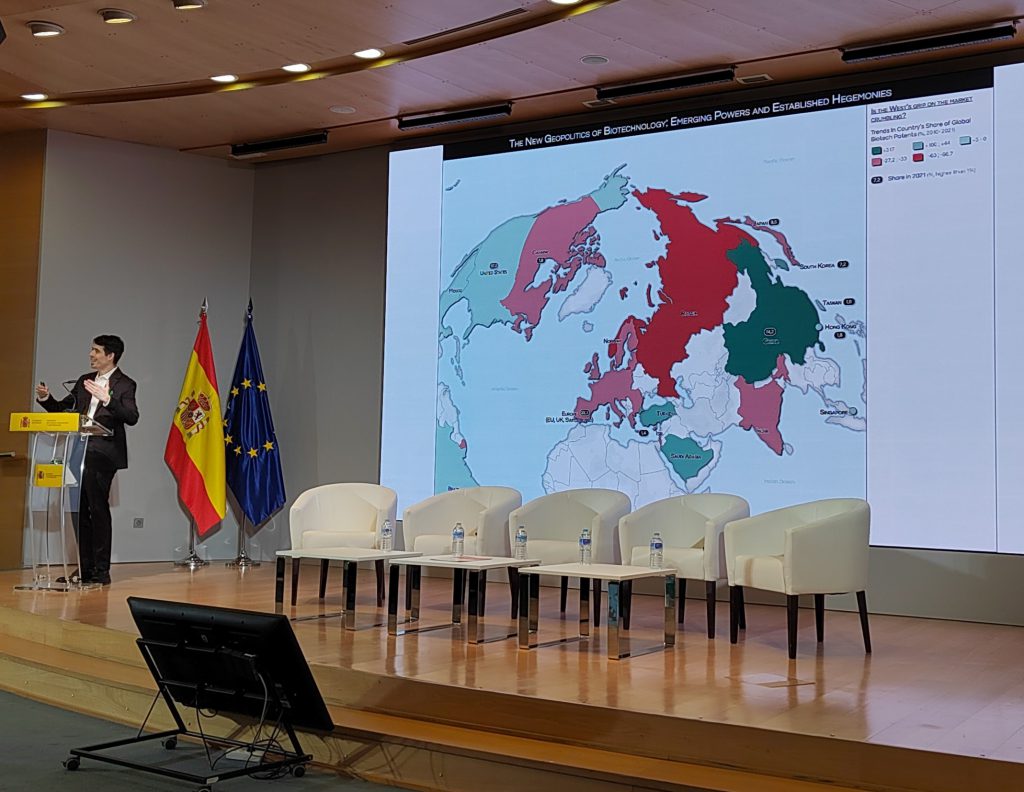
Ion Arocena at the event.

Biotechnology for health, sustainability and food security

Throughout the session, speakers stressed that biotechnology is central to addressing major societal challenges. Innovations such as advanced therapies, genomic medicine and AI-driven drug discovery are transforming healthcare. At the same time, biotechnology is enabling sustainable agriculture, circular bio-based materials and new food production systems.

Spain already holds a strong position internationally, ranking ninth in global scientific output in biotechnology and hosting a growing ecosystem of startups and research centers working across health, agriculture, industry and environmental applications. However, the large amount of startups, larger than in most other EU countries, does not correlate to the market capitalization of large EU biotech companies.

A strategic opportunity for Spain

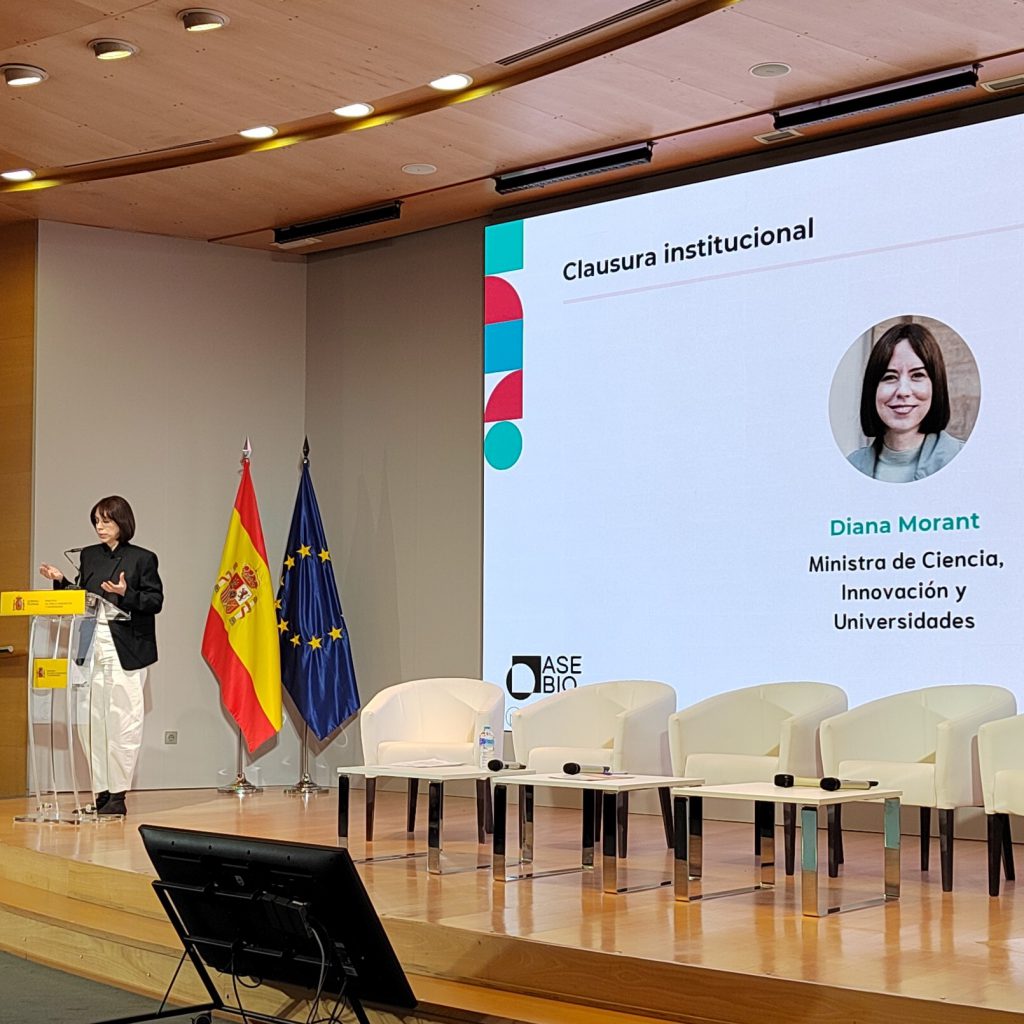
The event concluded with an institutional closing by Diana Morant, Spain’s Minister of Science, Innovation and Universities, who underscored the opportunity for Spain to become a major European hub for biotechnology.

Participants agreed that achieving this goal will require coordinated action between government, research institutions and industry to strengthen innovation, industrial capacity and investment in emerging technologies.

With biotechnology increasingly recognized as a critical technology for economic resilience, health security and sustainable development, the manifesto presented at the event aims to serve as a roadmap for Spain’s leadership in the global bioeconomy.

Diana Morant at the event.

What is NANBIOSIS?

The goal of NANBIOSIS is to provide comprehensive and integrated advanced solutions for companies and research institutions in biomedical applications. All of this is done through a single-entry point, involving the design and production of biomaterials, nanomaterials, and their nanoconjugates. This includes their characterization from physical-chemical, functional, toxicological, and biological perspectives (preclinical validation).

If you want to collaborate with us, visit our Order Request page.

Leading scientists

The main value of NANBIOSIS is our highly qualified and experienced academic scientists, working in public institutions, renowned universities and other research institutes.

Custom solutions

Designed for either scientific collaboration or the private industry, we adapt our services to your needs, filling the gaps and paving the way towards the next breakthrough.

Cutting-Edge facilities

Publicly funded, with the most advanced equipment, offering a wide variety of services from synthesis of nanoparticles and medical devices, including up to preclinical trials.

Standards of quality

Our services have standards of quality required in the pharmaceutical, biotech and medtech sectors, from Good Practices to ISO certifications.

In order to access our Cutting-Edge Biomedical Solutions with priority access, enter our Competitive Call here.

NANBIOSIS has worked with pharmaceutical companies of all sizes in the areas of drug delivery, biomaterials and regenerative medicine. Here are a few of them:
Read More

Lucía Enríquez at Kyoto University: Advancing Cystic Fibrosis Research Through iPS Technology

Lucía Enríquez shares her research stay at Kyoto University, advancing cystic fibrosis models with iPS cells and NANBIOSIS Unit 10 technologies.

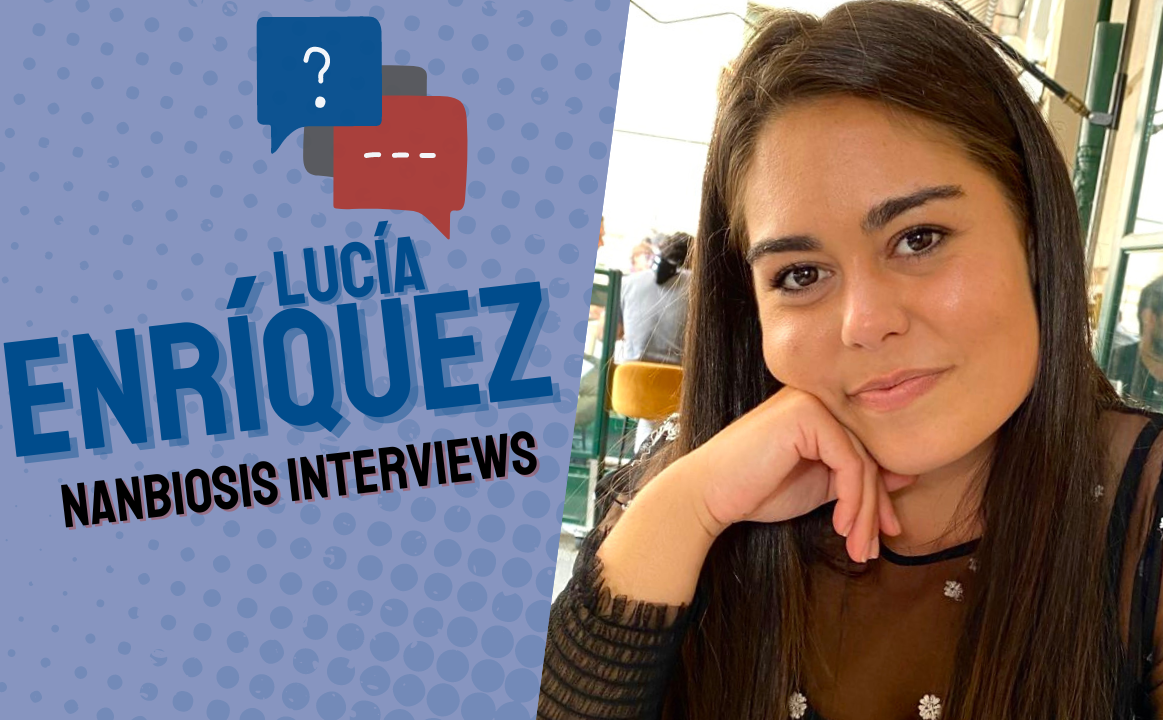
Kyoto, February 2026 — International research stays are key to accelerating innovation in biomedicine. Lucía Enríquez, a PhD researcher linked to NANBIOSIS Unit 10, is currently carrying out a research stay at Kyoto University, one of the world’s leading institutions in stem cell research. In this interview, she shares how this experience is helping bridge advanced induced pluripotent stem cell (iPS) technology, non-viral gene delivery systems, and 3D bioprinting to improve disease modeling for cystic fibrosis.

Below is the full interview transcript. See the video at the end of this article.

Interview with Lucía Enríquez

Q: Lucía, you are currently carrying out a research stay in Kyoto. Where are you working, and why is this center considered a world leader in its field?

Answer:
Right now, I’m working at Kyoto University. I’m doing an international research stay during my PhD in Spain, which is focused on studying cystic fibrosis as a pathology. What we’re doing here are models of the disease that are more representative of the patient’s genetic profile.

For this purpose, we’re using iPS cells, which are cells derived from patients that are reprogrammed to be pluripotent. iPS stands for Induced Pluripotent Stem cells. What we do is obtain cells from a patient, reprogram them to be pluripotent, and then differentiate them into the tissue that we want to study. In this case, since cystic fibrosis has a strong impact on the pulmonary system, we develop them into airway epithelium.

The reason why this center is a leader in the field is because it was founded by Shinya Yamanaka, who received the Nobel Prize in Physiology or Medicine in 2012. He discovered the reprogramming factors that allow a fully differentiated cell to be transformed back into a pluripotent state — an induced pluripotent stem cell.

Q: This technology seems very useful in personalized medicine. Cystic fibrosis is considered a rare disease, correct?

Answer:
Yes, cystic fibrosis is one of the least rare among rare diseases, but it is still considered a rare disease. And yes, iPS technology helps you model genetic pathologies very effectively.

Studying human genetic diseases is complex because traditional in vitro cellular models usually involve only one cell type. That does not reflect physiological reality. With iPS cells, you can generate multicellular structures in vitro derived from the same patient, meaning they are genetically homogeneous. This allows you to better understand what is happening and how cells respond, in a more physiologically relevant environment — without relying directly on human or animal models.

Q: You obtained a JSPS fellowship, which is highly competitive. What did this opportunity mean to you?

Answer:
The JSPS is the Japan Society for the Promotion of Science, which offers several grants. I was awarded a short-term postdoctoral fellowship. It is primarily intended for international postdoctoral researchers, but it can exceptionally be awarded to final-year PhD students with strong projects.

They award 25 grants per call worldwide, so it is highly competitive. I was fortunate to be one of the non-postdoctoral exceptions.

Professionally and personally, it has been a great experience. Moving from Spain to Japan and immersing myself in a different research and cultural environment has been enriching. Importantly, this grant included research funding — the first time I have had dedicated funding to manage myself. This allowed me to attend a Keystone symposium in Kyoto in January, which would not have been possible otherwise.

Q: How does this research connect with your PhD work at NANBIOSIS Unit 10?

Answer:
At NANBIOSIS Unit 10, we have two main lines of work:

  1. The synthesis, optimization, production, and characterization of non-viral vectors for gene delivery and other delivery systems.
  2. 3D bioprinting and characterization of human tissues, mainly for regenerative medicine and disease modeling.

The idea was to combine these technologies: iPS cell technology from Kyoto, non-viral gene delivery systems, and 3D bioprinted airway epithelia modeling cystic fibrosis tissue.

We aim to develop non-viral vectors to transfect or treat iPS cells and use them to generate 3D bioprinted models of cystic fibrosis airway epithelium.

Q: What new approaches have you found in this laboratory compared to Spain?

Answer:
I have not found dramatic differences in research workflows, which is actually reassuring.

I came here specifically to learn about iPS technology and differentiation into pulmonary lineage cells. These cells behave differently from immortalized cell lines. They are more sensitive and require different characterization approaches.

I have learned new workflows that complement my previous experience in Spain. The goal is to merge this new knowledge with what we do at home and strengthen collaborative approaches.

Q: How would you describe the capabilities and international position of NANBIOSIS Unit 10?

Answer:
In science, you rely on experts with different skill sets. Good research centers have strong infrastructures and specialized technical staff.

NANBIOSIS is a platform that allows researchers to expand their ideas beyond a single center, at a national level. It is a very unique infrastructure. Here in Japan, services are often internal to each research center. There is less of a nationwide shared infrastructure model.

With NANBIOSIS, researchers can access a wide range of expertise across Spain. I believe this is something we should value and promote internationally.

Q: What can you contribute to the Kyoto laboratory?

Answer:
iPS cells are widely used for tissue regeneration and disease modeling.

In regenerative applications, lipid-based non-viral vectors can genetically modify cells before transplantation, increasing therapeutic potential in a safer way.

In disease modeling, these vectors can be optimized in vitro before moving to in vivo studies. These technologies are highly complementary and work very well together.

Q: Has living and working in Kyoto influenced your scientific perspective?

Answer:
Yes. I’m in the final year of my PhD, and this is when you start reflecting on your future.

Being here has broadened my perspective — professionally and personally. It has shown me that opportunities can arise anywhere. In my opinion, very few things are truly impossible. Keep your doors open and work towards what you want.

Q: What advice would you give to young researchers considering international fellowships?

Answer:
If you’re a researcher, you’re probably curious by nature — embrace that curiosity.

Be persistent. Talk to people. You will receive many “no’s,” but that is part of research and life. Don’t be afraid to reach out.

Some people told me not to apply for this grant because it was too competitive. My answer was simple: maybe I won’t get it, but it won’t be because I didn’t try.

Just try. Keep working on what interests you.

Strengthening International Collaboration in Nanomedicine

Lucía Enríquez’s research stay exemplifies how international mobility enhances scientific innovation. By combining iPS cell technology from Kyoto with non-viral gene delivery systems and 3D bioprinting expertise from NANBIOSIS Unit 10, this collaboration advances personalized disease modeling for cystic fibrosis and strengthens Spain–Japan scientific ties.

Such synergies reflect the mission of NANBIOSIS: providing cutting-edge biomedical research infrastructures that empower researchers to push the boundaries of nanomedicine, gene delivery, and regenerative medicine.

What is NANBIOSIS?

The goal of NANBIOSIS is to provide comprehensive and integrated advanced solutions for companies and research institutions in biomedical applications. All of this is done through a single-entry point, involving the design and production of biomaterials, nanomaterials, and their nanoconjugates. This includes their characterization from physical-chemical, functional, toxicological, and biological perspectives (preclinical validation).

If you want to collaborate with us, visit our Order Request page.

Leading scientists

The main value of NANBIOSIS is our highly qualified and experienced academic scientists, working in public institutions, renowned universities and other research institutes.

Custom solutions

Designed for either scientific collaboration or the private industry, we adapt our services to your needs, filling the gaps and paving the way towards the next breakthrough.

Cutting-Edge facilities

Publicly funded, with the most advanced equipment, offering a wide variety of services from synthesis of nanoparticles and medical devices, including up to preclinical trials.

Standards of quality

Our services have standards of quality required in the pharmaceutical, biotech and medtech sectors, from Good Practices to ISO certifications.

In order to access our Cutting-Edge Biomedical Solutions with priority access, enter our Competitive Call here.

NANBIOSIS has worked with pharmaceutical companies of all sizes in the areas of drug delivery, biomaterials and regenerative medicine. Here are a few of them:
Read More