

+34 620 10 75 37info@nanbiosis.com

Posts on Jan 1970

NANBIOSIS Unit 26 to Present NMR and Metabolomics Capabilities at Universitat de València

NANBIOSIS Unit 26 will present its NMR and metabolomics capabilities in a free seminar at Universitat de València on 2 July 2026.

Valencia, July 2026 — On Thursday, 2 July 2026, researchers, students, and healthcare professionals will have the opportunity to learn more about the biomedical applications of nuclear magnetic resonance and metabolomics during the seminar “Biomedical Imaging and Metabolomics Section: Our Experience”.

The event will take place at 13:00 in Seminar Room D, on the main floor of the Faculty of Medicine and Dentistry at the Universitat de València. It is organized by the Biomedical Imaging and Metabolomics Section of the Central Research Unit in Medicine (UCIM).

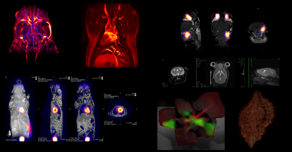
The seminar will present the equipment available in the section, with special emphasis on recent improvements, updates, and their biomedical applications. In particular, the session will highlight the capabilities associated with NANBIOSIS Unit 26 – NMR: Biomedical Applications II, a key infrastructure for biomedical research based on nuclear magnetic resonance and related analytical techniques.

Attendees will learn more about the following services and technologies, all particularly oriented towards their biomedial application.

With regard to the Imaging Platform:

  • Magnetic Resonance Imaging (MRI-3T)
  • PET/CT (Positron Emission Tomography / Computed Tomography)
  • IVIS (In Vivo Imaging System)
  • Irradiator

With regard to the Metabolomic Platform:

  • Chromatographic techniques
  • 600 MHz NMR spectroscopy
  • Hematology and biochemistry analyses

These tools support research in metabolism, biomarker discovery, and the study of disease-related biological processes, helping to advance biomedical research and translational applications.

The seminar will be delivered by Carlos Ezquer Garin and Mustafa Ezzeddin Ayoub (Musta), Senior Technicians of the Biomedical Imaging and Metabolomics Section at UCIM, Faculty of Medicine and Dentistry, Universitat de València.

Those interested in attending are invited to confirm their participation by contacting musez[at]uv.es. Alternativelly, you can also reach out through our contact form and we will forward your application directly to the Unit.

Through initiatives such as this seminar, NANBIOSIS continues to promote access to advanced research infrastructure and strengthen collaboration in the biomedical sciences.

What is NANBIOSIS?

The goal of NANBIOSIS is to provide comprehensive and integrated advanced solutions for companies and research institutions in biomedical applications. All of this is done through a single-entry point, involving the design and production of biomaterials, nanomaterials, and their nanoconjugates. This includes their characterization from physical-chemical, functional, toxicological, and biological perspectives (preclinical validation).

If you want to collaborate with us, visit our Order Request page.
Leading scientists

The main value of NANBIOSIS is our highly qualified and experienced academic scientists, working in public institutions, renowned universities and other research institutes.

Custom solutions

Designed for either scientific collaboration or the private industry, we adapt our services to your needs, filling the gaps and paving the way towards the next breakthrough.

Cutting-Edge facilities

Publicly funded, with the most advanced equipment, offering a wide variety of services from synthesis of nanoparticles and medical devices, including up to preclinical trials.

Standards of quality

Our services have standards of quality required in the pharmaceutical, biotech and medtech sectors, from Good Practices to ISO certifications.

In order to access our Cutting-Edge Biomedical Solutions with priority access, enter our Competitive Call here.

NANBIOSIS has worked with pharmaceutical companies of all sizes in the areas of drug delivery, biomaterials and regenerative medicine. Here are a few of them:
Read More

New rapid blood test prototype could help detect pancreatic cancer in minutes

Researchers develop a rapid blood test prototype for pancreatic cancer, highlighting the potential of antibody-based diagnostics for early detection.

Barcelona, June 2026 — A multidisciplinary team of researchers in Barcelona, including notable names from CIBER and NANBIOSIS, has developed a prototype diagnostic test capable of detecting pancreatic cancer in minutes from a blood sample. The study, published in Talanta, demonstrates the potential of a low-cost, easy-to-use device for identifying a key biomarker associated with pancreatic ductal adenocarcinoma, the most common and deadliest form of pancreatic cancer.

The work was carried out by scientists from the Institute of Advanced Chemistry of Catalonia (IQAC-CSIC), the Institute for Biomedical Research of Barcelona (IIBB-CSIC), and the Hospital del Mar Research Institute (HMRIB). The prototype was evaluated using plasma samples from 20 patients with pancreatic cancer and 20 healthy individuals.

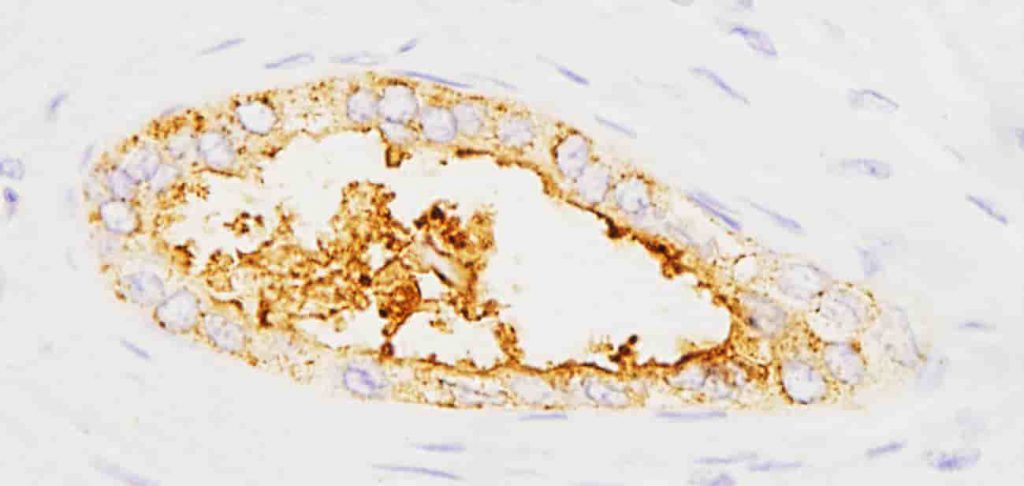
sAXL protein expression in pancreatic tumors. / IIBB-CSIC

The test detects soluble AXL (sAXL), a protein that is abnormally elevated in more than 70% of pancreatic tumors. Using a quantitative lateral flow immunoassay—similar to commercial rapid tests—the device provided clear differentiation between samples from patients and healthy controls in just a few minutes.

“This is the first application of a quantitative lateral flow immunoassay for detecting sAXL in plasma,” explains Juan Pablo Salvador, researcher at IQAC-CSIC and corresponding author of the study. The measurements were validated against ELISA, a standard laboratory technique, confirming the diagnostic relevance of the new approach.

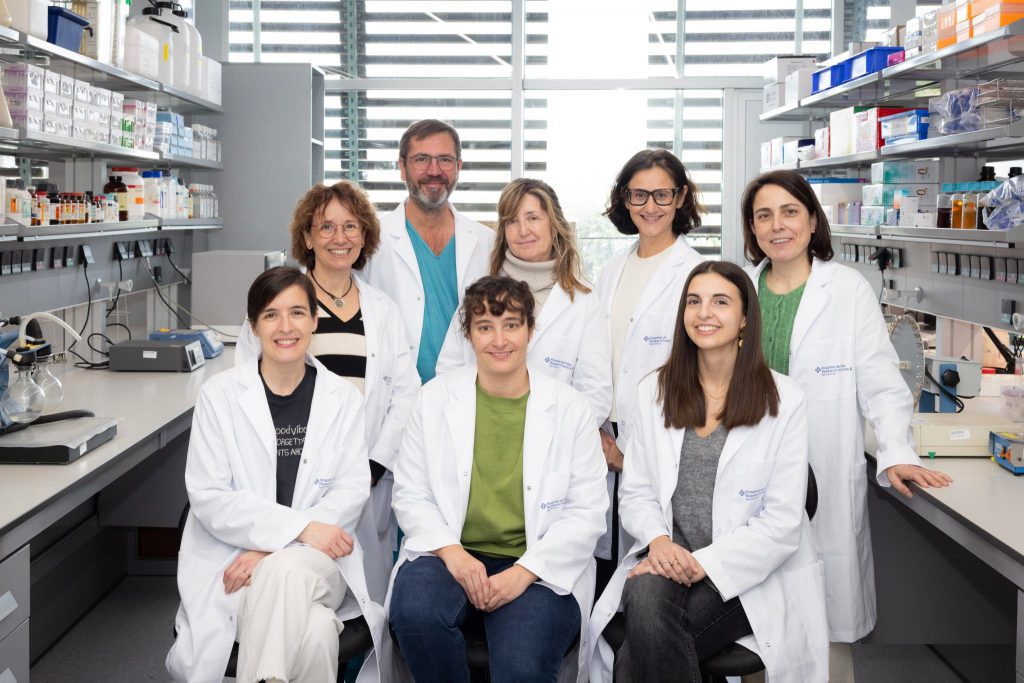
Pilar Navarro’s research team.

Early diagnosis remains one of the major challenges in pancreatic cancer, as more than 85% of patients are diagnosed at stages when surgery—the only curative treatment currently available—is no longer possible. Fast, minimally invasive, and affordable diagnostic tools could therefore have a significant impact on patient survival.

The study also highlights the importance of interdisciplinary collaboration and translational research. Supported by the CSIC BBQ-CSIC 2022 seed funding program, the project involved experts in nanobiotechnology, cancer biology, hemostasis, and clinical oncology, with additional support from the Instituto de Salud Carlos III, the Spanish Ministry of Science, Innovation and Universities, and the Spanish Pancreatic Cancer Patients Association (ACANPAN).

NANBIOSIS Unit 2 contributes expertise in antibody technologies

The development of the immunoassay benefited from the expertise and facilities available at NANBIOSIS Unit 2 (Custom Antibody Service, CAbS), located at IQAC-CSIC and directed by Prof. Pilar Marco. Unit 2 specializes in the development and production of monoclonal and polyclonal antibodies and the performance of immunoassays under an ISO 9001-certified quality management system.

Its capabilities in antibody production, purification, and assay development support innovative diagnostic technologies with translational potential, contributing to advances in precision medicine and point-of-care diagnostics.

Reference

Vázquez-Bellón, N., Rodríguez-Núñez, M., Martínez-Bosch, N., Barranco, L. E., Visa, L., García de Frutos, P., Marco, M. P., Navarro, P., & Salvador, J. P. Lateral flow immunoassay detection of soluble AXL for pancreatic ductal adenocarcinoma diagnosis. Talanta (2026). DOI: 10.1016/j.talanta.2026.129973.

What is NANBIOSIS?

The goal of NANBIOSIS is to provide comprehensive and integrated advanced solutions for companies and research institutions in biomedical applications. All of this is done through a single-entry point, involving the design and production of biomaterials, nanomaterials, and their nanoconjugates. This includes their characterization from physical-chemical, functional, toxicological, and biological perspectives (preclinical validation).

If you want to collaborate with us, visit our Order Request page.

Leading scientists

The main value of NANBIOSIS is our highly qualified and experienced academic scientists, working in public institutions, renowned universities and other research institutes.

Custom solutions

Designed for either scientific collaboration or the private industry, we adapt our services to your needs, filling the gaps and paving the way towards the next breakthrough.

Cutting-Edge facilities

Publicly funded, with the most advanced equipment, offering a wide variety of services from synthesis of nanoparticles and medical devices, including up to preclinical trials.

Standards of quality

Our services have standards of quality required in the pharmaceutical, biotech and medtech sectors, from Good Practices to ISO certifications.

In order to access our Cutting-Edge Biomedical Solutions with priority access, enter our Competitive Call here.

NANBIOSIS has worked with pharmaceutical companies of all sizes in the areas of drug delivery, biomaterials and regenerative medicine. Here are a few of them:
Read More

NANBIOSIS Showcases Organ-on-Chip Research and Infrastructure at the II CIBER Young Scientists Meeting

NANBIOSIS joined the II CIBER Young Scientist Meeting, showcasing the Chips R’ Us project in a plenary session and promoting its services.

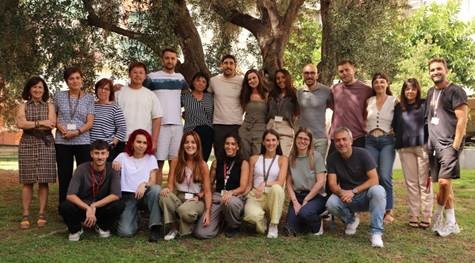
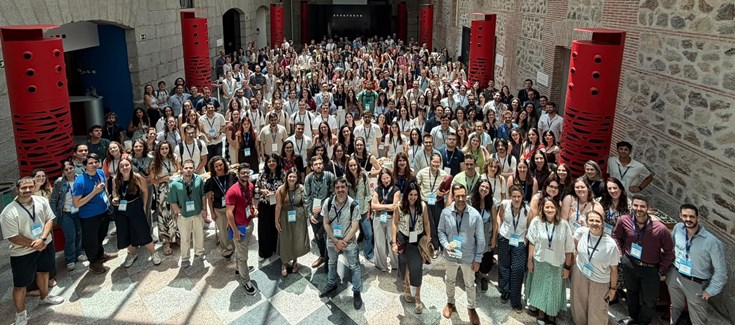
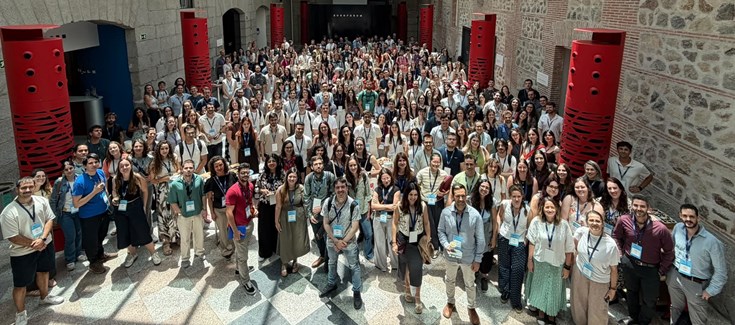
Madrid, May 2026 — NANBIOSIS participated in the II CIBER Young Scientific Personnel (PCJ) Meeting, held in San Lorenzo de El Escorial, Spain, bringing together nearly 350 early-career researchers from the 13 thematic areas of CIBER to foster collaboration and patient-centered biomedical innovation.

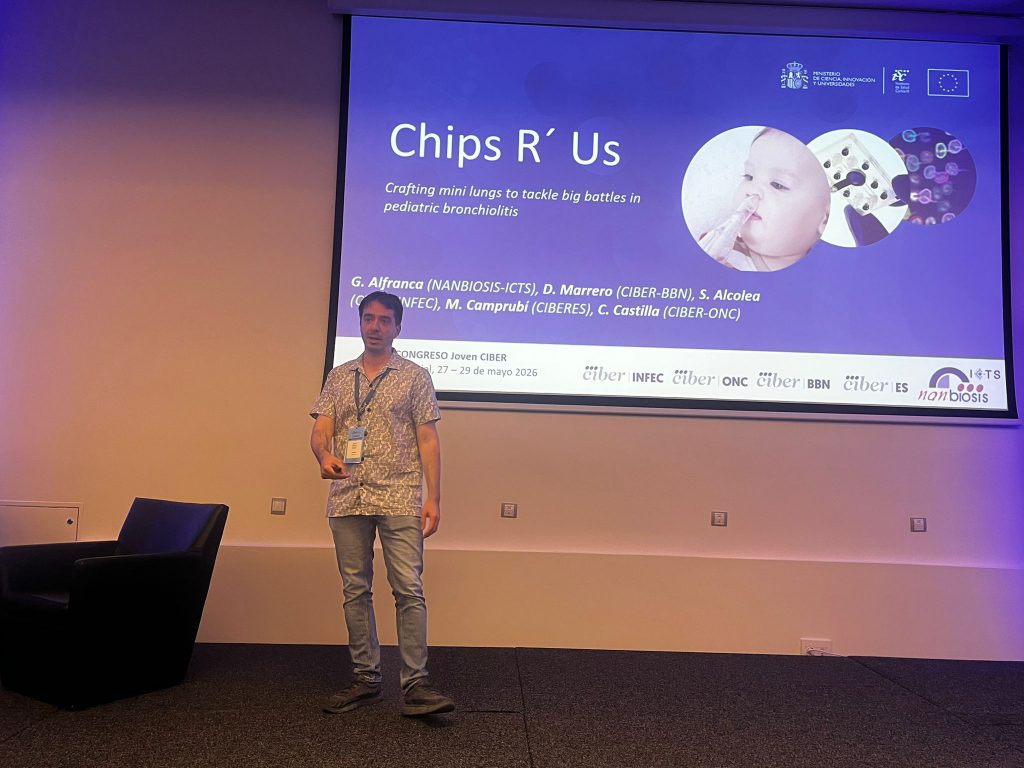
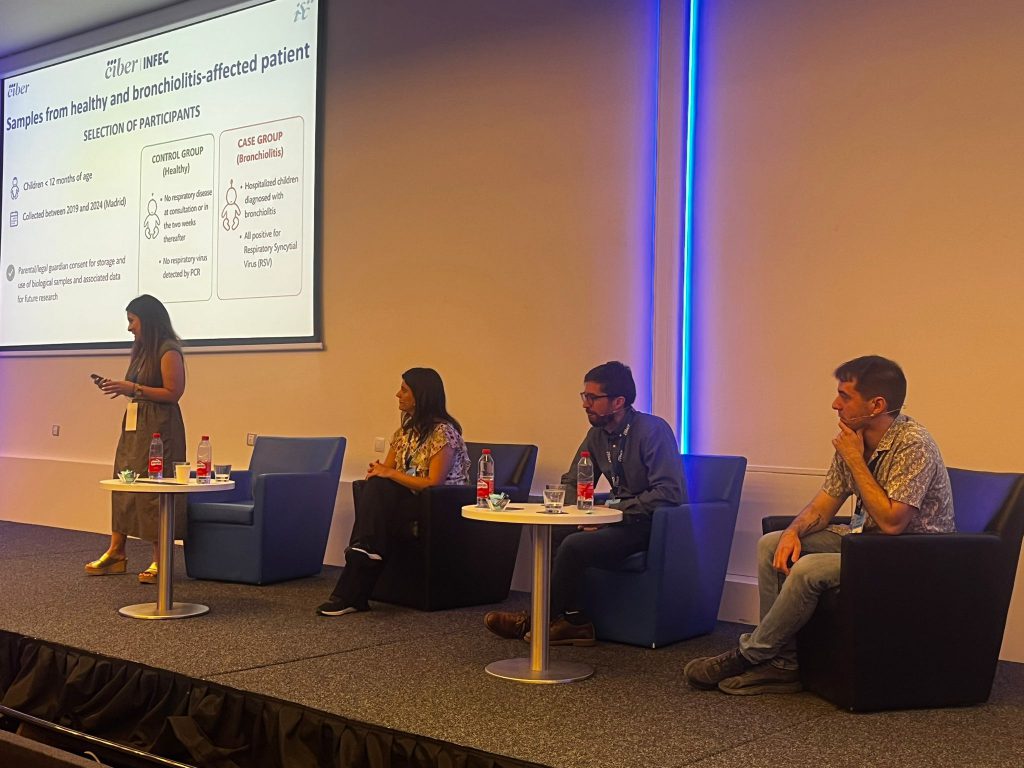
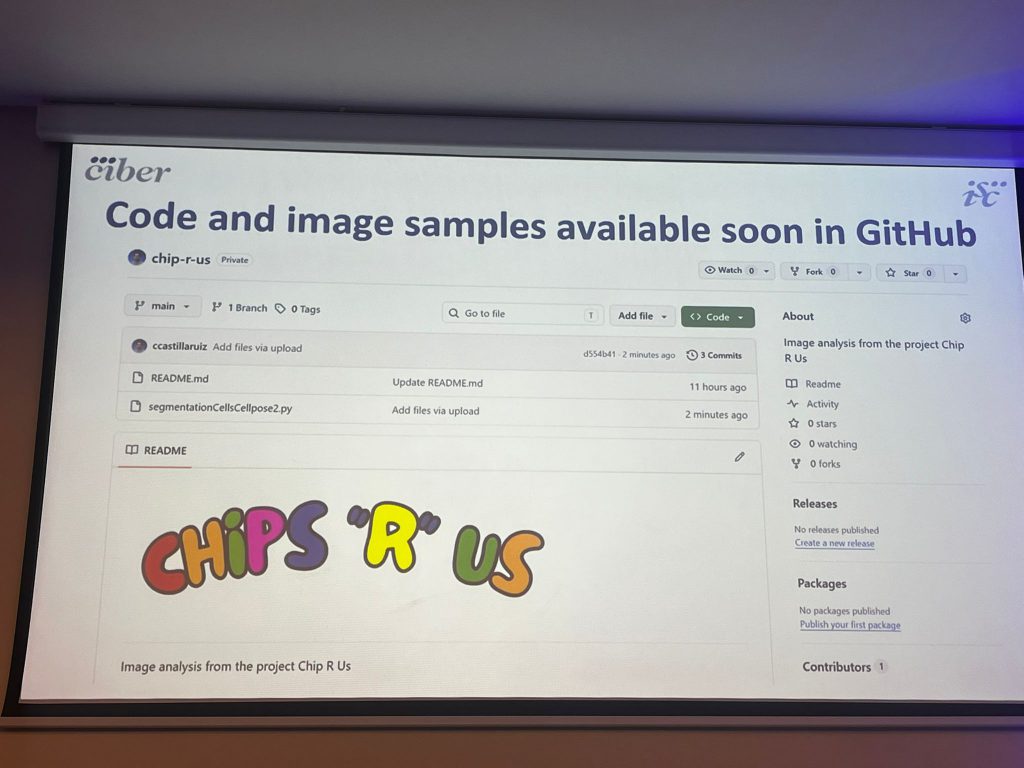
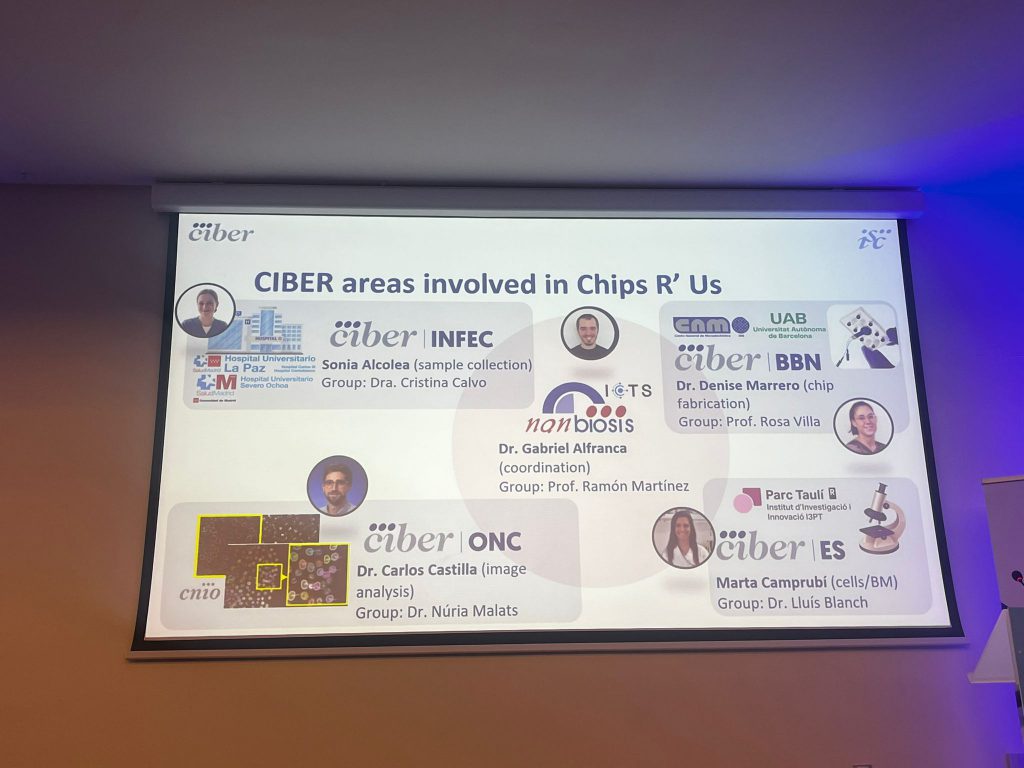
During the meeting, NANBIOSIS presented the collaborative project “Chips R’ Us” (CRU), which is developing a lung-on-a-chip model to study severe respiratory infections in children. The project, winner of the previous edition’s collaborative initiative, highlights the potential of organ-on-chip technologies for translational biomedical research.

In addition, NANBIOSIS displayed a poster introducing its national research infrastructure and technological capabilities to attendees from across the CIBER network. The event also provided opportunities to attend scientific sessions and exchange ideas with young researchers working in areas such as artificial intelligence, personalized medicine, diagnostics, and multi-omics approaches.

The II PCJ Meeting reinforced the importance of interdisciplinary collaboration and the role of research infrastructures such as NANBIOSIS in accelerating innovation and addressing current healthcare challenges.

What is NANBIOSIS?

The goal of NANBIOSIS is to provide comprehensive and integrated advanced solutions for companies and research institutions in biomedical applications. All of this is done through a single-entry point, involving the design and production of biomaterials, nanomaterials, and their nanoconjugates. This includes their characterization from physical-chemical, functional, toxicological, and biological perspectives (preclinical validation).

If you want to collaborate with us, visit our Order Request page.

Leading scientists

The main value of NANBIOSIS is our highly qualified and experienced academic scientists, working in public institutions, renowned universities and other research institutes.

Custom solutions

Designed for either scientific collaboration or the private industry, we adapt our services to your needs, filling the gaps and paving the way towards the next breakthrough.

Cutting-Edge facilities

Publicly funded, with the most advanced equipment, offering a wide variety of services from synthesis of nanoparticles and medical devices, including up to preclinical trials.

Standards of quality

Our services have standards of quality required in the pharmaceutical, biotech and medtech sectors, from Good Practices to ISO certifications.

In order to access our Cutting-Edge Biomedical Solutions with priority access, enter our Competitive Call here.

NANBIOSIS has worked with pharmaceutical companies of all sizes in the areas of drug delivery, biomaterials and regenerative medicine. Here are a few of them:
Read More