

+34 620 10 75 37info@nanbiosis.com

Posts by Nanbiosis

NANBIOSIS U26 Contributes to New Study Using CMR and PET to Track Myocardial Infarction Progression in Mice

Multimodal CMR/PET imaging reveals key differences in infarct evolution in mice. NANBIOSIS U26 contributed technical expertise and advanced imaging support.

Valencia, December 2025 — A new scientific publication, “Characterization of Infarct Size and Remodeling Using CMR and PET in Mice Models of Reperfused and Non-Reperfused Myocardial Infarction” (Diagnostics, 2025), highlights the value of combining cardiovascular magnetic resonance (CMR) and positron emission tomography (PET) for non-invasive, longitudinal evaluation of heart damage in preclinical models of myocardial infarction. The study features the participation of NANBIOSIS Unit 26, which contributed both technical expertise and advanced imaging infrastructure.

A multimodal approach to understanding Heart Injury

The research compares two experimental mouse models of myocardial infarction—one with permanent coronary occlusion (non-reperfused) and another with transient occlusion followed by reperfusion. Using CMR and fluorine-18 FDG PET imaging at baseline and at 1, 7, and 21 days after infarction, the authors assessed:

  • Infarct size
  • Systolic function
  • Myocardial glucose metabolism

Masson’s trichrome histology served as the reference standard for infarct size at the chronic phase.

The results showed that both models exhibited infarction, reduced systolic function, and decreased glucose metabolism as early as 24 hours post-event. By day 21, reperfused mice demonstrated smaller infarcts and better-preserved cardiac function, although metabolic activity measured by PET did not differ significantly between groups. Moreover, early CMR and PET measurements proved to be strong predictors of long-term outcomes.

These findings underscore the value of combined PET/CMR imaging for monitoring disease progression and evaluating new therapeutic strategies in preclinical cardiovascular research.

NANBIOSIS Participation

NANBIOSIS Unit 26 (NMR Biomedical Applications II) played an essential role in the project by providing both expert technical support—via technician and co-author Mustafa Ezzeddin—and access to its specialized imaging facilities.

“To continue advancing the Biomedical and Metabolomics Imaging section, we are pleased to share that we have published an article using a murine model of acute myocardial infarction, employing 3T MRI and PET-CLIP-ON techniques.”

—Mustafa Ezzeddin, technician at Unit 26 of NANBIOSIS

About NANBIOSIS Unit 26

Located at the Faculty of Medicine of the University of Valencia (UV), Unit 26 offers advanced NMR-based metabolomic and imaging capabilities, including a 14T NMR system for biofluid, cell line, and tissue metabolic profiling. The Unit is coordinated by Dr. Ramón Martínez-Máñez, Principal Investigator of the Applied Molecular Chemistry Group at the Universitat Politècnica de València and Scientific Director of NANBIOSIS, together with Dr. Salvador Gil, Director of the Central Service for Experimental Research (SCSIE).

Reference: DOI

What is NANBIOSIS?

The goal of NANBIOSIS is to provide comprehensive and integrated advanced solutions for companies and research institutions in biomedical applications. All of this is done through a single-entry point, involving the design and production of biomaterials, nanomaterials, and their nanoconjugates. This includes their characterization from physical-chemical, functional, toxicological, and biological perspectives (preclinical validation).

Leading scientists

The main value of NANBIOSIS is our highly qualified and experienced academic scientists, working in public institutions, renowned universities and other research institutes.

Custom solutions

Designed for either scientific collaboration or the private industry, we adapt our services to your needs, filling the gaps and paving the way towards the next breakthrough.

Cutting-Edge facilities

Publicly funded, with the most advanced equipment, offering a wide variety of services from synthesis of nanoparticles and medical devices, including up to preclinical trials.

Standards of quality

Our services have standards of quality required in the pharmaceutical, biotech and medtech sectors, from Good Practices to ISO certifications.

In order to access our Cutting-Edge Biomedical Solutions with priority access, enter our Competitive Call here.

NANBIOSIS has worked with pharmaceutical companies of all sizes in the areas of drug delivery, biomaterials and regenerative medicine. Here are a few of them:
Read More

NANBIOSIS showcases its capabilities at Big Science Industry Forum Spain 2025

NANBIOSIS joined BSIFS2025, presenting its ICTS capabilities and strengthening collaboration with national and international Big Science infrastructures.

Madrid, December 2025 — Last week, NANBIOSIS participated in the Big Science Industry Forum Spain 2025 (BSIFS2025), the first national forum designed to strengthen Spain’s Big Science industry and promote collaboration between research infrastructures, companies, and scientific institutions. The event—organised by CDTI Innovation, INDUCIENCIA, and INEUSTAR—highlighted Spain’s technological leadership and its role in major international scientific projects.

Held over two days, BSIFS2025 gathered representatives from leading global research infrastructures in particle physics, fusion, and astronomy, including CERN, ITER and F4E, and ESO, alongside key national ICTS facilities. The forum offered a comprehensive programme featuring procurement updates, technological trends, networking spaces, company exhibitions, and a poster area showcasing research capabilities.

NANBIOSIS was present within the ICTS stand of the Ministry of Science, Innovation and Universities, which received a visit from the Minister, Diana Morant. The infrastructure also presented a poster detailing its services and technological capacities in biomedical research and nanomedicine.

Throughout the event, NANBIOSIS engaged with industry representatives, research centres, and other large scientific facilities, strengthening partnerships and exploring new opportunities for collaboration. Participation in BSIFS2025 reinforced the key role of NANBIOSIS within Spain’s scientific ecosystem and its contributions to innovation, technology transfer, and advanced research services.

What is NANBIOSIS?

The goal of NANBIOSIS is to provide comprehensive and integrated advanced solutions for companies and research institutions in biomedical applications. All of this is done through a single-entry point, involving the design and production of biomaterials, nanomaterials, and their nanoconjugates. This includes their characterization from physical-chemical, functional, toxicological, and biological perspectives (preclinical validation).

Leading scientists

The main value of NANBIOSIS is our highly qualified and experienced academic scientists, working in public institutions, renowned universities and other research institutes.

Custom solutions

Designed for either scientific collaboration or the private industry, we adapt our services to your needs, filling the gaps and paving the way towards the next breakthrough.

Cutting-Edge facilities

Publicly funded, with the most advanced equipment, offering a wide variety of services from synthesis of nanoparticles and medical devices, including up to preclinical trials.

Standards of quality

Our services have standards of quality required in the pharmaceutical, biotech and medtech sectors, from Good Practices to ISO certifications.

In order to access our Cutting-Edge Biomedical Solutions with priority access, enter our Competitive Call here.

NANBIOSIS has worked with pharmaceutical companies of all sizes in the areas of drug delivery, biomaterials and regenerative medicine. Here are a few of them:
Read More

NANBIOSIS showcases its capabilities at the II Conference on Major Research Infrastructures of CSIC

NANBIOSIS-ICTS participated in the II CSIC Conference on Major Research Infrastructures, presenting its capabilities and services for biomedical research.

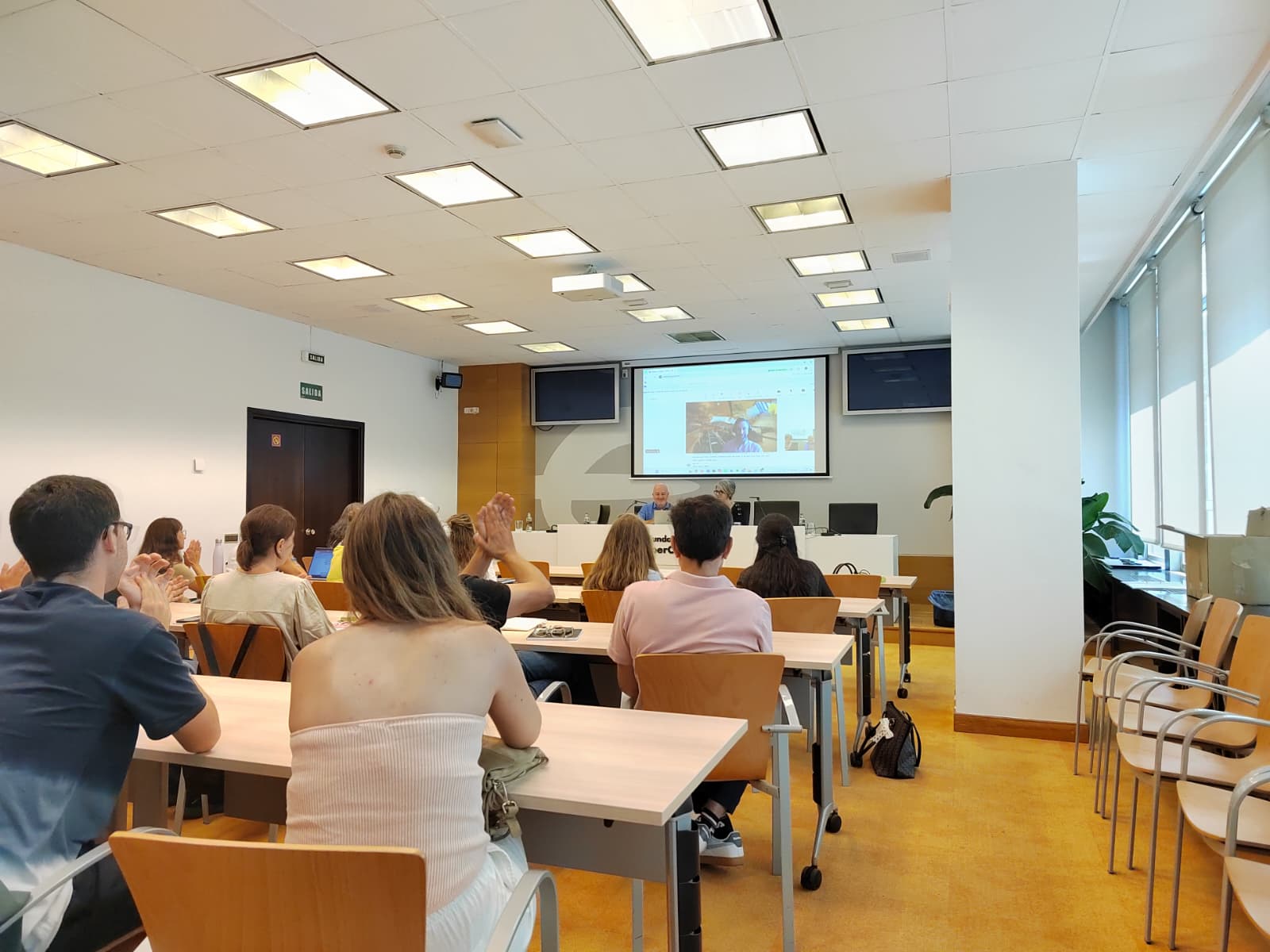
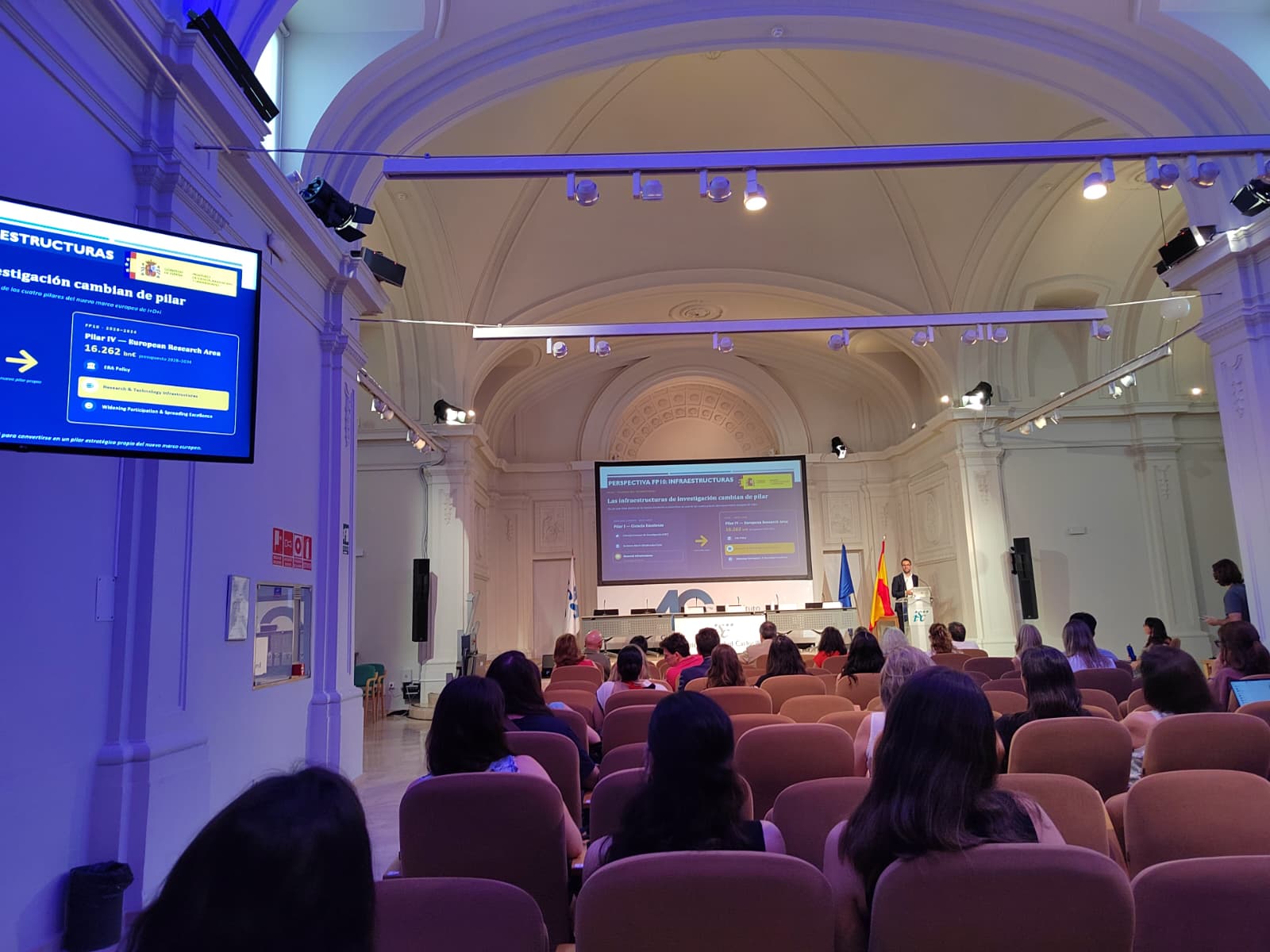
Madrid, December 2025 — Just yesterday, 2 of December 2025, NANBIOSIS-ICTS participated in the II Jornada de Grandes Infraestructuras de Investigación del CSIC, a key annual event organised by the Spanish National Research Council (CSIC) at its central headquarters in Madrid. The meeting, held entirely in person, followed the successful first edition in 2024 and aimed to highlight the latest developments, strategic priorities, and services offered by Spain’s Large Scientific and Technological Infrastructures.

The event opened with an institutional welcome from José María Martell (VICYT-CSIC) in representation of Eloísa del Pino, President of CSIC. This was followed by an update on European policies for research infrastructures and a detailed overview presented by José María Martell himself, who outlined the current mapping and diagnostic status of CSIC’s technological infrastructures.

A central roundtable addressed challenges and opportunities for technological infrastructures, moderated by Javier Menéndez González (VAPC-CSIC, ESFRI Chair Office), featuring representatives from CSIC, CDTI, Helmholtz, INTA-CSIC, and CIB-CSIC. The debate highlighted the importance of collaboration, innovation, and strategic alignment between major facilities.

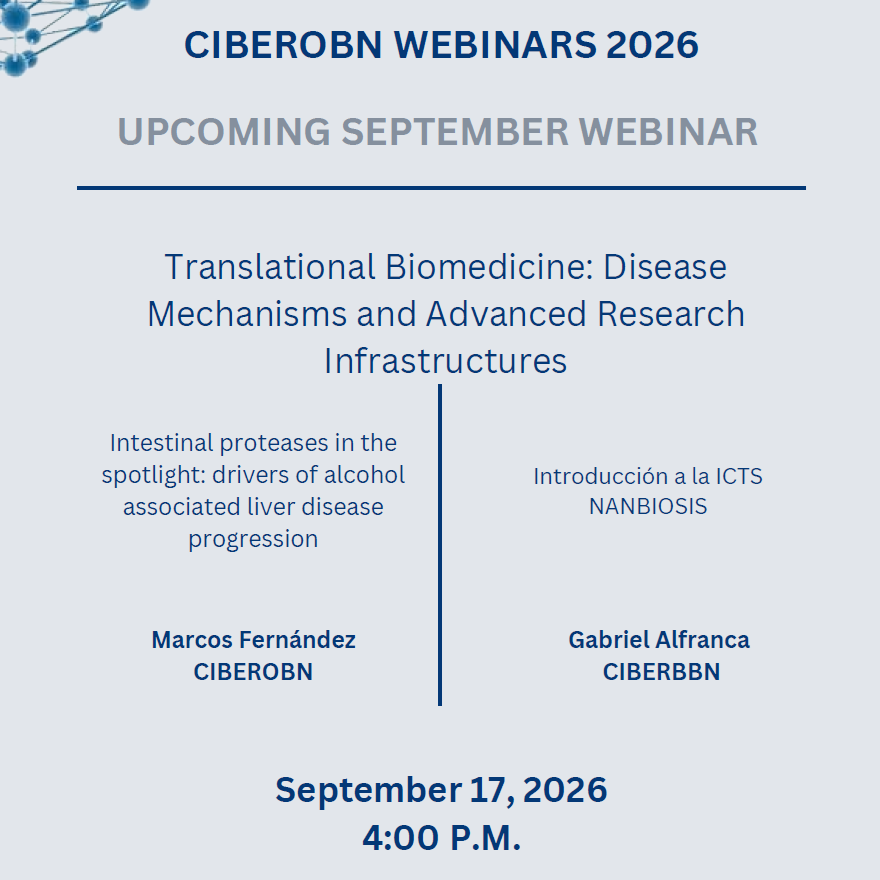
One of the main sessions of the programme focused on presenting several large research infrastructures in which CSIC participates. During this session, NANBIOSIS-ICTS was introduced by Gabriel Alfranca (CIBER-BBN, Communication Manager of NANBIOSIS), who presented the infrastructure’s unique capabilities, advanced biomedical services, and collaboration opportunities for researchers and companies. The session also featured presentations from the Animal Health Research Centre (CISA, INIA-CSIC), AnaEE ERIC, and eLTER, illustrating the breadth of CSIC’s involvement in national and European infrastructures.

The afternoon programme concentrated on data management and open science within major research infrastructures, under the theme “EOSC at CSIC”. Led by Carmen García (IFIC-CSIC), the panel explored strategies for data governance, FAIR principles, and the impact of open data through examples from SKA, EPOS, and Doñana ICTS (LifeWatch ERIC), sparking a vibrant debate on the future of data management and analysis, including the role and challenges of AI usage.

The conference concluded with an open debate and networking session, reinforcing the importance of cooperation between research infrastructures to strengthen Spain’s scientific competitiveness. Through its active participation, NANBIOSIS reasserted its commitment to supporting biomedical research and enabling innovation through high-quality scientific and technological services.

What is NANBIOSIS?

The goal of NANBIOSIS is to provide comprehensive and integrated advanced solutions for companies and research institutions in biomedical applications. All of this is done through a single-entry point, involving the design and production of biomaterials, nanomaterials, and their nanoconjugates. This includes their characterization from physical-chemical, functional, toxicological, and biological perspectives (preclinical validation).

Leading scientists

The main value of NANBIOSIS is our highly qualified and experienced academic scientists, working in public institutions, renowned universities and other research institutes.

Custom solutions

Designed for either scientific collaboration or the private industry, we adapt our services to your needs, filling the gaps and paving the way towards the next breakthrough.

Cutting-Edge facilities

Publicly funded, with the most advanced equipment, offering a wide variety of services from synthesis of nanoparticles and medical devices, including up to preclinical trials.

Standards of quality

Our services have standards of quality required in the pharmaceutical, biotech and medtech sectors, from Good Practices to ISO certifications.

In order to access our Cutting-Edge Biomedical Solutions with priority access, enter our Competitive Call here.

NANBIOSIS has worked with pharmaceutical companies of all sizes in the areas of drug delivery, biomaterials and regenerative medicine. Here are a few of them:
Read More

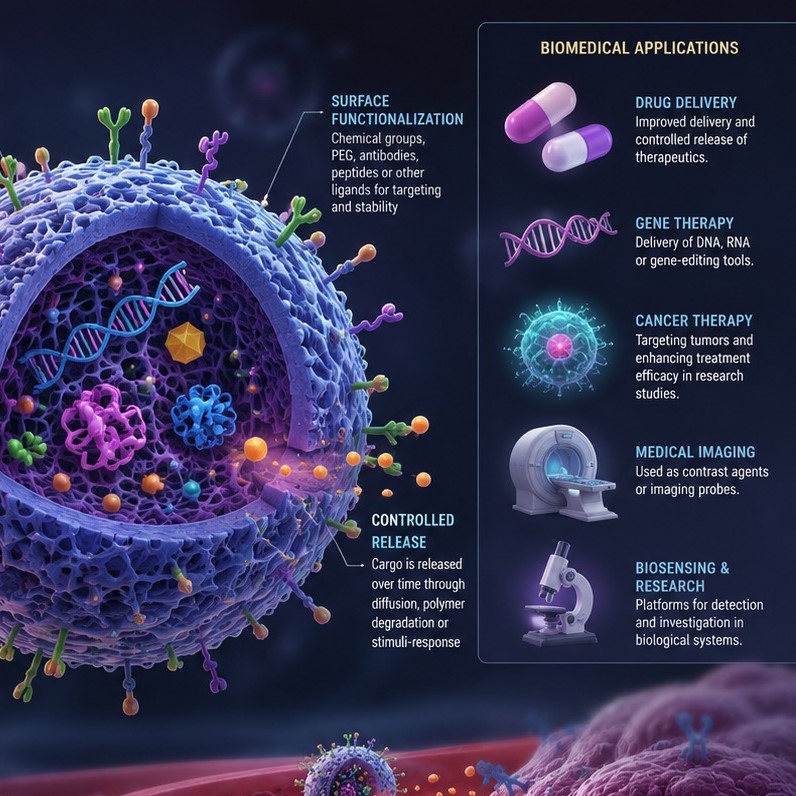
Glucose-Powered Nanomotors Achieve Deeper Drug Delivery in Solid Tumors

Glucose-powered nanomotors developed by UPV researchers boost drug delivery deep inside solid tumors, showing strong efficacy in advanced preclinical models.

Valencia, November 2025 — A research team from the Universitat Politècnica de València (UPV), part of the Interuniversity Institute for Molecular Recognition and Technological Development (IDM), has developed glucose-driven nanomotors capable of autonomously navigating solid tumors and delivering chemotherapy drugs more effectively. The work, validated in animal models and patient-derived samples, has been published in ACS Nano.

The study involved researchers from IIS La Fe, CIBER-BBN, CIBERONC, INCLIVA, and the Príncipe Felipe Research Center (CIPF). Prof. Ramón Martínez-Mañez, Scientific Director of NANBIOSIS, is the corresponding author.

Nanomotors That Use Tumor Glucose as Fuel

Poor penetration of chemotherapeutic agents into the inner tumor layers remains a major challenge in cancer treatment. As explained by the corresponding author, Ramón Martínez-Máñez — Director of IDM at UPV, CIBER-BBN researcher, and Coordinator of NANBIOSIS Unit 26 — the new Janus nanomotors help overcome this barrier by using glucose in the tumor microenvironment as a natural fuel source.

These nanomotors combine mesoporous silica nanoparticles loaded with doxorubicin and catalytic platinum nanodendrites. Their motion is powered by glucose oxidase (GOx), which converts glucose into hydrogen peroxide. Platinum then decomposes this peroxide into oxygen, enabling propulsion and enhancing drug penetration into tumor tissue.

A Multifunctional Approach to Improve Cancer Therapy

According to Paula Díez (IIS La Fe), the nanomotors not only move through the tumor but also reduce available glucose, depriving cancer cells of energy. The reaction generates oxygen, which helps reduce tumor hypoxia, and reactive oxygen species that amplify the therapeutic effect.

Alba García-Fernández (CIBER-BBN) highlights that the Janus structure enables the nanomotors to travel deeper into tumors and release the drug on demand, triggered by intracellular proteases. This design improves both targeting and delivery efficiency.

Proven Efficacy in Advanced Preclinical Models

The nanomotors showed a strong anticancer effect in cell cultures, tumor spheroids, patient-derived organoids, and a mouse model of solid tumors. In vivo, the treatment significantly reduced tumor size and increased drug concentration in the tumor core.

“These results in patient-derived breast cancer organoids demonstrate the potential of this technology for personalized cancer therapies,” note Iris Garrido and Juan Miguel Cejalvo (INCLIVA).

About NANBIOSIS Unit 26

NANBIOSIS Unit 26, located at the Faculty of Medicine of the University of Valencia and coordinated by Prof. Martínez-Máñez, offers high-field NMR infrastructure (14T) for metabolic profiling of biofluids, tissues, and cell lines. While the Unit did not directly participate in this study, its coordinator leads the research team behind this breakthrough in nanomedicine.

Reference

Andrea Escudero, Francisco J. Hicke, Elena Lucena-Sánchez, Sandra Pradana-López, Juan José Esteve-Moreno, Víctor Sanz-Álvarez, Iris Garrido-Cano, Sandra Torres-Ruiz, Juan Miguel Cejalvo, Alba García-Fernández, Paula Díez, and Ramón Martínez-Máñez. ACS Nano 2025 19 (22), 20932-20955. DOI: 10.1021/acsnano.5c03799

What is NANBIOSIS?

The goal of NANBIOSIS is to provide comprehensive and integrated advanced solutions for companies and research institutions in biomedical applications. All of this is done through a single-entry point, involving the design and production of biomaterials, nanomaterials, and their nanoconjugates. This includes their characterization from physical-chemical, functional, toxicological, and biological perspectives (preclinical validation).

Leading scientists

The main value of NANBIOSIS is our highly qualified and experienced academic scientists, working in public institutions, renowned universities and other research institutes.

Custom solutions

Designed for either scientific collaboration or the private industry, we adapt our services to your needs, filling the gaps and paving the way towards the next breakthrough.

Cutting-Edge facilities

Publicly funded, with the most advanced equipment, offering a wide variety of services from synthesis of nanoparticles and medical devices, including up to preclinical trials.

Standards of quality

Our services have standards of quality required in the pharmaceutical, biotech and medtech sectors, from Good Practices to ISO certifications.

In order to access our Cutting-Edge Biomedical Solutions with priority access, enter our Competitive Call here.

NANBIOSIS has worked with pharmaceutical companies of all sizes in the areas of drug delivery, biomaterials and regenerative medicine. Here are a few of them:
Read More

NANBIOSIS U25 Showcases Innovative MRI Research at the 41st ESMRMB Annual Scientific Meeting in Marseille

NANBIOSIS U25 presented innovative MRI research on CAM cancer models at the ESMRMB 2025 meeting in Marseille, highlighting advances in preclinical imaging.

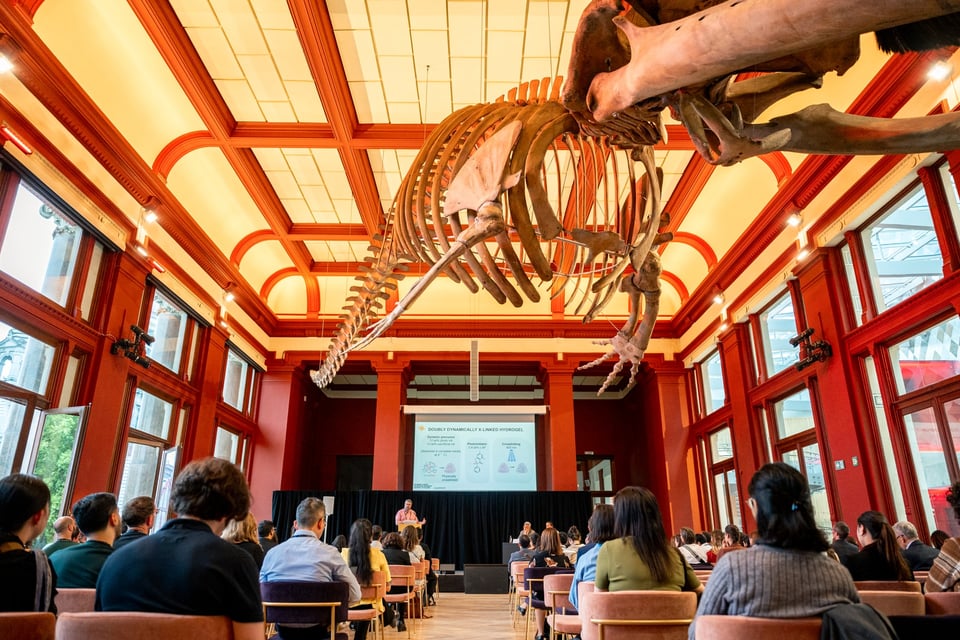
Marseille, October 2025Unit 25 of NANBIOSIS – the Biomedical Applications of Nuclear Magnetic Resonance platform at the Universitat Autònoma de Barcelona (UAB) – participated in the 41st Annual Scientific Meeting of the European Society for Magnetic Resonance in Biology and Medicine (ESMRMB), held in Marseille from 9–11 October. The event gathered leading experts in magnetic resonance imaging (MRI), spectroscopy, and biomedical imaging to discuss advances shaping the future of the field.

Unit 25 presented new research on longitudinal MRI in emerging preclinical cancer models, reinforcing its longstanding expertise in advanced NMR-based biomedical applications.

Presentation of Cutting-Edge Research on Novel Preclinical Models

The work, presented on site by Dr. Ana Paula Candiota, Scientific Director of Unit 25, was carried out in collaboration with Dr. Silvia Lope-Piedrafita, Scientific Coordinator of the Unit, and the Josep Carreras Leukemia Research Institute.

The study, accepted as a late abstract, is entitled: “Longitudinal MRI for tumor evaluation in two immunocompetent chicken chorioallantoic membrane (CAM) cancer xenograft models: A Registered Report.”

The research highlights the potential of the CAM model as a novel immunocompetent platform for cancer studies. Despite inherent challenges—such as model size and magnetic susceptibility effects—the preliminary MRI results show strong promise. The study demonstrates that longitudinal MR approaches can effectively monitor tumour progression in CAM xenografts, opening the door to alternative, cost-effective, and ethically favourable preclinical cancer models.

About NANBIOSIS Unit 25: Biomedical Applications of Nuclear Magnetic Resonance

Unit 25 is inegrated within the Servei de Ressonància Magnètica Nuclear (SeRMN), which provides Nuclear Magnetic Resonance instrumentation and technical support. The Unit, lead by Dr. Ana Paula Candiota, has a recognized record of excellence in applying NMR to biomedical research. This service provides access to state-of-the-art equipment and capabilities, such as 10 spectrometers operating between 5.8 and 14.1 Tesla, including a 7T Bruker BioSpec MRI scanner dedicated to preclinical research.

A unique integrated environment

Unit 25 offers unparalleled access to in vivo, ex vivo, and in vitro NMR systems in a single location, along with molecular imaging tools using polarization.

This configuration enables the validation of in vivo molecular imaging results through complementary in vitro analyses, significantly strengthening translational research outcomes.

Strengthening NANBIOSIS Visibility in the European MRI Community

The presence of Unit 25 at ESMRMB 2025 underscores NANBIOSIS’ commitment to supporting cutting-edge biomedical imaging research and fostering high-impact collaborations internationally. The presentation in Marseille further consolidated the Unit’s visibility within the European MRI community and highlighted the relevance of novel preclinical models in advancing cancer research.

What is NANBIOSIS?

The goal of NANBIOSIS is to provide comprehensive and integrated advanced solutions for companies and research institutions in biomedical applications. All of this is done through a single-entry point, involving the design and production of biomaterials, nanomaterials, and their nanoconjugates. This includes their characterization from physical-chemical, functional, toxicological, and biological perspectives (preclinical validation).

Leading scientists

The main value of NANBIOSIS is our highly qualified and experienced academic scientists, working in public institutions, renowned universities and other research institutes.

Custom solutions

Designed for either scientific collaboration or the private industry, we adapt our services to your needs, filling the gaps and paving the way towards the next breakthrough.

Cutting-Edge facilities

Publicly funded, with the most advanced equipment, offering a wide variety of services from synthesis of nanoparticles and medical devices, including up to preclinical trials.

Standards of quality

Our services have standards of quality required in the pharmaceutical, biotech and medtech sectors, from Good Practices to ISO certifications.

In order to access our Cutting-Edge Biomedical Solutions with priority access, enter our Competitive Call here.

NANBIOSIS has worked with pharmaceutical companies of all sizes in the areas of drug delivery, biomaterials and regenerative medicine. Here are a few of them:
Read More

NANBIOSIS at the I Scientific Days CIBERBBN–INFEC: Advancing bioengineering and infectious disease research in Sevilla

CIBERBBN and CIBERINFEC held their first joint scientific meeting in Sevilla, highlighting advances in bioengineering, infectious diseases and NANBIOSIS capabilities.

Sevilla, November 2025 — The I Scientific Days CIBERBBN–INFEC was held on 13–14 November 2025 at the Eurostars Al-Andalus Palace Hotel in Sevilla, bringing together leading experts in bioengineering, biomaterials, nanomedicine, and infectious diseases. The two-day joint event, organised by CIBER-BBN and CIBER-INFEC, served as a major forum to strengthen scientific collaboration, foster translational research, and highlight new technologies shaping the future of healthcare.

Throughout the conference, researchers presented advances in biomedical engineering, emerging infections, antimicrobial resistance, global health approaches, and patient engagement. The programme combined plenary lectures, scientific sessions, technology transfer presentations, and networking opportunities. As a key national infrastructure of CIBER-BBN, ICTS NANBIOSIS was prominently featured during the event.

Day 1 Highlights – 13 November

The meeting opened with internal sessions for Principal Investigators from both networks.
M. Pilar Marco, Scientific Director of CIBER-BBN, then welcomed the attendees.

Plenary Lecture: Innovation and health systems

The first plenary session, delivered by Laura Sampietro-Colom (Hospital Clínic Barcelona) and chaired by M. Pau Ginebra, explored the role of early health technology assessment in determining the value of biomedical innovation.

ARISTOS fellows presentations (CIBER-BBN)

Promising early-career researchers presented their ARISTOS projects:

  • NanoGlue – Nanoparticles to enhance immune–tumour communication (Erika Pineda)
  • BRUHealth – ECGi and modelling for Brugada Syndrome risk stratification (Sofia Romagnoli)
  • Next-generation Living Organoids for clinical and screening applications (Lilianne Beola)
  • OLEO-CardioSafe – Stem cell-based prevention of chemotherapy-induced cardiotoxicity (Salim Çerig)

Valorización” Projects (CIBER-BBN)

Three innovation-focused projects showcased their progress:

  • BBB-Neuron-a-chip – Brain-on-chip model for drug testing (Mónica Mir)
  • Radical-NEED – Metal-free radical dendrimers for MRI in glioblastoma (Vega Lloveras)
  • TUMORDIVE – Nanomotors to improve drug penetration in tumours (Alba García)

Seed” Projects with CIBERESP

Inter-network collaborative initiatives within the CIBER ecosystem included:

  • MANEHD – Aptamer-based HIV early diagnostics (César Fernández)
  • ALEVINT – Integrative platform for nutrition and translational research (Antonio Cobo)

Opening and presentations of the CIBER areas

Institutional representatives from ISCIII (Marta Ortiz), CIBERINFEC (Jesús Oteo), and CIBERBBN (M. Pilar Marco) officially opened the conference. This was followed by a presentation of both the CIBERBBN and CIBERINFEC areas, by their Scientific Directors: M. Pilar Marco and Jesús Oteo respectivelly.

Plenary Lecture: Swiss Cohorts

Manuel Josep Oriol (Hospital Universitario de Lausana) presented the second plenary session on the value of Swiss population cohorts for clinical and translational infectious disease research.

Scientific Programmes and NANBIOSIS Presentation

The afternoon continued with joint programme presentations across bioengineering, biomaterials, nanomedicine, global health, emerging infections, antimicrobial resistance, HIV/STIs, and infections in immunocompromised patients.

During this session, Ramón Martínez-Máñez, Scientific Director of NANBIOSIS, delivered a dedicated presentation showcasing the technological capabilities, services and integrated platforms of the ICTS. He highlighted how NANBIOSIS supports advanced research in diagnostics, nanomedicine, biomaterials, medical devices, and preclinical studies, reinforcing its strategic value for both CIBER networks.

The day closed with a networking session, encouraging new collaborations between BBN and INFEC teams, in which NANBIOSIS establised invaluable contacts.

Day 2 Highlights – 14 November

Plenary Session with Till Bachmann

The second day began with a plenary lecture by Till Bachmann (University of Edinburgh), chaired by M. Pilar Marco, on rapid diagnostics for AMR.

Seed” Projects with CIBERINFEC (2024 Call)

Researchers presented two collaborative infectious-disease projects:

  • DEMOSTRAR – Nanogels modulating innate immune responses in cytomegalovirus infection (Cristina García de la Mària)
  • SAFEGUARD – Antimicrobial functionalisation of cardiac implantable devices (Inma Ratera)

Invited Lecture: Global Health Research

Mireia Coscolla (CSIC) delivered the invited talk “A 360º approach to research in global health,” emphasising genomics, pathogen surveillance, and epidemiological modelling.

Patient Associations

A dedicated session highlighted patient involvement in research, including:

  • The CIBER Citizen Participation Plan (Jesús Oteo)
  • CESIDA, the national HIV/AIDS coordination network (Jesús Cisneros)

The talks were followed by a group discussion on integrating patient perspectives into biomedical innovation.

CIBER-BBN Intramural Collaborations

CIBER-BBN researchers presented collaborative projects in biomedical engineering and nanomedicine:

  • SIP-EP – Signal and image processing tools for arrhythmia management
  • HYDROLIVER – Hydrogels for 3D hepatic disease models
  • NANOREMOTE – Remote delivery of antitumour proteins
  • NANO4INFECTION – Nanoantibiotics for bone infection
  • PATHERNO – Point-of-care optics for personalised antibiotic therapy in nosocomial infections

Early Stage Plus Projects (CIBER-BBN)

The final scientific session highlighted innovative early-stage projects:

  • ABNANO – Dual-targeted nanomedicine for Alzheimer’s disease
  • QUANT-TAU-PET – Quantification tools for new tau PET imaging in a rare neurological disease
  • Tattoo4Sleep – Skin tattoo electrodes for sleep monitoring

A networking lunch brought the meeting to a close, strengthening collaboration between CIBERBBN, CIBERINFEC, and the wider scientific community.

What is NANBIOSIS?

The goal of NANBIOSIS is to provide comprehensive and integrated advanced solutions for companies and research institutions in biomedical applications. All of this is done through a single-entry point, involving the design and production of biomaterials, nanomaterials, and their nanoconjugates. This includes their characterization from physical-chemical, functional, toxicological, and biological perspectives (preclinical validation).

Leading scientists

The main value of NANBIOSIS is our highly qualified and experienced academic scientists, working in public institutions, renowned universities and other research institutes.

Custom solutions

Designed for either scientific collaboration or the private industry, we adapt our services to your needs, filling the gaps and paving the way towards the next breakthrough.

Cutting-Edge facilities

Publicly funded, with the most advanced equipment, offering a wide variety of services from synthesis of nanoparticles and medical devices, including up to preclinical trials.

Standards of quality

Our services have standards of quality required in the pharmaceutical, biotech and medtech sectors, from Good Practices to ISO certifications.

In order to access our Cutting-Edge Biomedical Solutions with priority access, enter our Competitive Call here.

NANBIOSIS has worked with pharmaceutical companies of all sizes in the areas of drug delivery, biomaterials and regenerative medicine. Here are a few of them:
Read More

NANBIOSIS Unit 6 highlights cutting-edge biointeraction techniques at BIOMED 2025 Workshop

NANBIOSIS U6 contributed to BIOMED 2025 at ICMAB with a talk on ITC and SPR, showcasing advanced tools for biomolecular interaction analysis.

Barcelona, October 2025 — last 22 October 2025, the Institute of Materials Science of Barcelona (ICMAB–CSIC) hosted the BIOMED 2025: Workshop on Experimental Techniques for Biomedicine, bringing together early-career researchers to explore pivotal biomedical characterization methods.

As a key contributor, NANBIOSIS Unit 6, the Soft Materials Service at ICMAB-CSIC, showcased its expertise through a technical talk delivered by David Piña Muñoz — “Unraveling and Quantifying Molecular Biointeractions through ITC and SPR.” This presentation underscored the Unit’s advanced instrumentation capabilities in isothermal titration calorimetry (ITC) and surface plasmon resonance (SPR).

Unpacking ITC and SPR capabilities

During his talk, David Piña explained how ITC provides thermodynamic profiles of molecular interactions by directly measuring heat changes upon binding, offering insights into binding affinity, stoichiometry, enthalpy, and entropy. Meanwhile, SPR enables real-time, label-free monitoring of biomolecular binding kinetics — capturing association and dissociation rates with high sensitivity. Together, these complementary techniques empower researchers to comprehensively characterize biomolecular interactions.

These services are part of the broader Soft Materials platform at Unit 6, which integrates a suite of advanced characterization tools tailored for soft and biomaterials research.

About NANBIOSIS Unit 6: Soft Materials Service

NANBIOSIS Unit 6 is based at ICMAB–CSIC in Barcelona, coordinated by Prof. Nora Ventosa, who also leads the NANOMOL group. The Unit specializes in the development, processing, and characterization of nano- and microstructured molecular soft materials with therapeutic or biomedical relevance.

A standout capability of Unit 6 is its compressed-fluid biomaterials processing platform, including the proprietary DELOS-SUSP one-step method using compressed CO₂. This technology enables the scalable production of particulate biomaterials with controlled size, internal structure, and supramolecular organization — from milliliters to liters. The Unit is also ISO 9001 certified, ensuring high-quality standards across its operations.

Impact of the BIOMED 2025 Workshop

The BIOMED 2025 workshop was designed to support early-stage biomedical researchers, offering a hybrid format (in-person and online) that covered a spectrum of techniques — from cell culture basics to advanced biophysical analysis. By delivering a session on ITC and SPR, NANBIOSIS Unit 6 not only contributed scientific knowledge but also reinforced its role as a core technology provider for the biomedical community.

Participants benefited from expert-led discussions, hands-on insights into characterization tools, and networking opportunities with leading researchers in materials science and biomedicine.

Further Information & Contacts

  • Soft Materials Service, ICMAB-CSIC: Visit the SOFT ICMAB website for more details on instrumentation and services.
  • NANBIOSIS Unit 6: Learn about U6 – Soft Materials Service, its research lines, and technological capabilities.
  • Contact: You can reach the SOFT Materials Service at ICMAB via servicios.soft@icmab.es.

What is NANBIOSIS?

The goal of NANBIOSIS is to provide comprehensive and integrated advanced solutions for companies and research institutions in biomedical applications. All of this is done through a single-entry point, involving the design and production of biomaterials, nanomaterials, and their nanoconjugates. This includes their characterization from physical-chemical, functional, toxicological, and biological perspectives (preclinical validation).

Leading scientists

The main value of NANBIOSIS is our highly qualified and experienced academic scientists, working in public institutions, renowned universities and other research institutes.

Custom solutions

Designed for either scientific collaboration or the private industry, we adapt our services to your needs, filling the gaps and paving the way towards the next breakthrough.

Cutting-Edge facilities

Publicly funded, with the most advanced equipment, offering a wide variety of services from synthesis of nanoparticles and medical devices, including up to preclinical trials.

Standards of quality

Our services have standards of quality required in the pharmaceutical, biotech and medtech sectors, from Good Practices to ISO certifications.

In order to access our Cutting-Edge Biomedical Solutions with priority access, enter our Competitive Call here.

NANBIOSIS has worked with pharmaceutical companies of all sizes in the areas of drug delivery, biomaterials and regenerative medicine. Here are a few of them:
Read More

Young researchers from CIBERES and CIBER-BBN connect in El Escorial to advance biomedical research and micro-nano technologies

Young researchers from CIBERES and CIBER-BBN met in El Escorial, where NANBIOSIS presented its organ-on-chip project “Chips R Us”.

Madrid, November 2025 — More than sixty young researchers from the CIBERES and CIBER-BBN networks gathered at the Euroforum center for the 2025 CIBERES–CIBER-BBN Young Researchers Conference (Jornadas de Personal Investigador Joven). The event fostered collaboration between early-career scientists in biomedical engineering, nanomedicine, and respiratory research, while highlighting the role of advanced micro- and nanotechnologies in healthcare innovation.

A platform for collaboration and emerging research

Organized by CIBERES (CIBER area of Respiratory Diseases) in collaboration with CIBER-BBN (CIBER area of Bioengineering, Biomaterials, and Nanomedicine), the two-day conference promoted knowledge exchange and interdisciplinary cooperation.

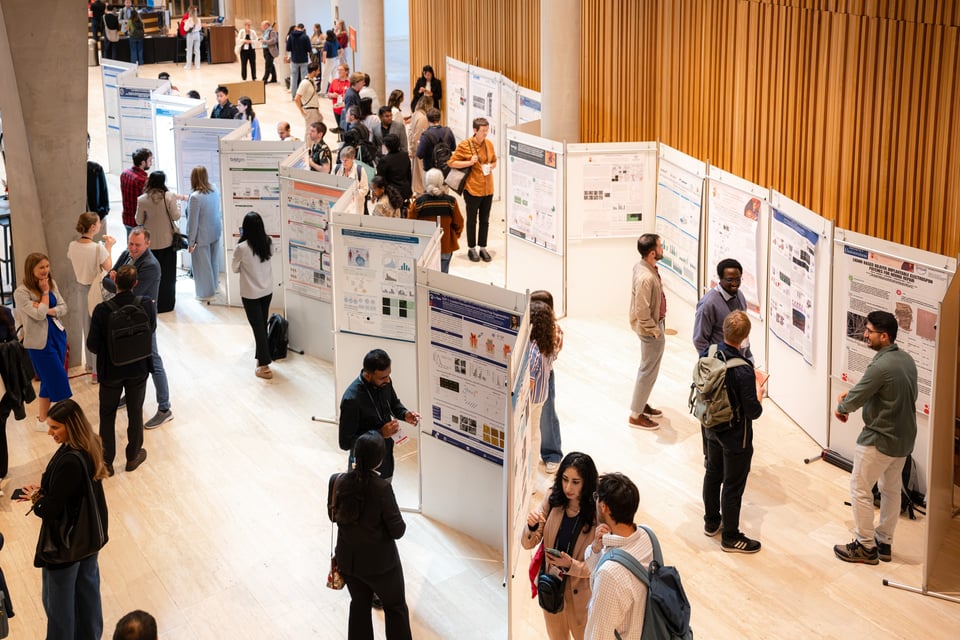
The program included talks on international funding opportunities, citizen engagement in biomedical research, and multiple sessions dedicated to oral and poster communications covering fields such as nanoparticles for targeted therapy, respiratory infection diagnostics, sleep apnea detection, and biomimetic organ-on-chip models.

NANBIOSIS presents “Chips R Us”: advancing organ-on-chip technology

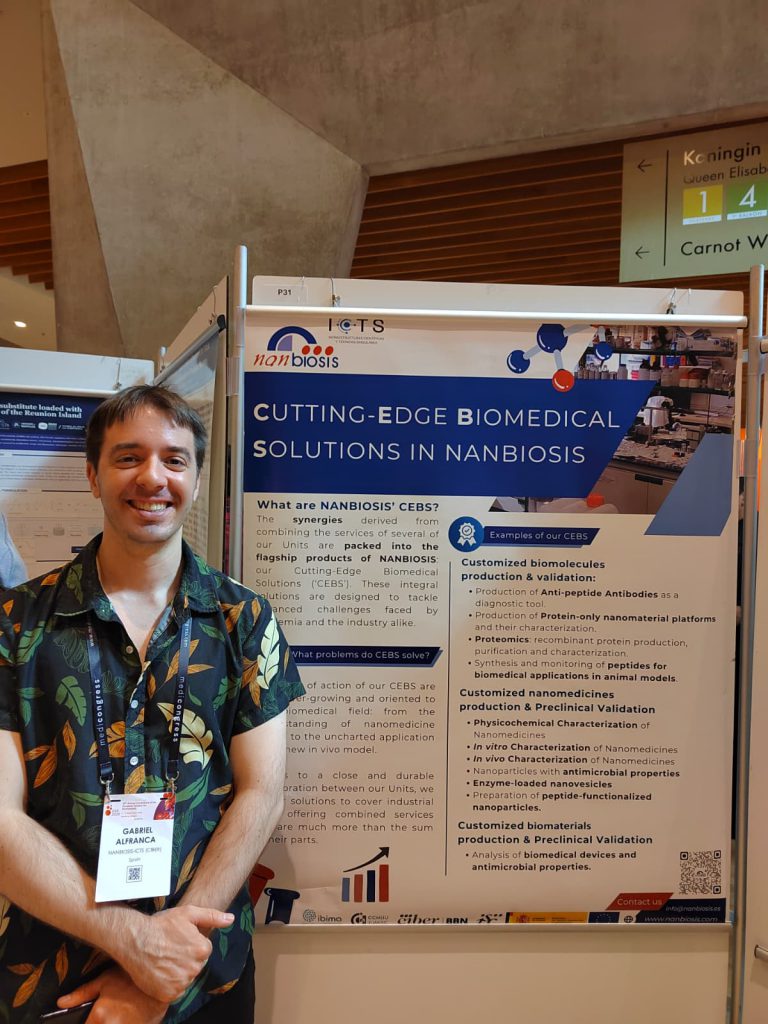
A highlight of the event was the presentation of “Chips R Us”, a project coordinated by NANBIOSIS, Spain’s distributed research infrastructure for biomaterials and nanomedicine. The project was introduced by Gabriel Alfranca, Communication Manager of NANBIOSIS and coordinator of the project, alongside Denise Marrero (CIBER-BBN), a researcher in the group led by Dr. Rosa Villa and Dr. Xavier Illa at the Microelectronic Institute of Barcelona (IMB-CNM, CSIC), where NANBIOSIS Unit 8 – Micro-Nano Technologies is located.

Their presentation showcased the project’s goal of developing organ-on-chip platforms — particularly lung-on-chip models — to improve disease diagnostics and enable tailored therapeutic strategies. These innovative microdevices are fabricated using the clean-room facilities of IMB-CNM, Spain’s largest installation for micro- and nanofabrication processes.

NANBIOSIS Unit 8: a cornerstone for biomedical microfabrication

NANBIOSIS Unit 8 is very close collaboration with the MICRONANOFABS network, a Singular Scientific and Technical Infrastructure (ICTS), same category as NANBIOSIS. The Unit offers expertise in CVD graphene fabrication, photolithography, metallization, and flexible biocompatible substrates such as polyimide and parylene — key technologies for creating biomedical implants, neuroprostheses, and organ-on-chip devices.

By integrating microelectronics and biotechnology, Unit 8 enables researchers from both academia and industry to translate nanotechnology into functional biomedical solutions. The Unit’s support for Chips R Us exemplifies how NANBIOSIS infrastructures accelerate innovation across disciplines.

Empowering young scientists in translational research

Throughout the sessions, early-career scientists from CIBERES and CIBER-BBN demonstrated their expertise in cutting-edge topics such as molecular biosensing, nanodiagnostics, respiratory disease modeling, and advanced biomaterials. The conference also featured networking sessions like “Posters & Beers,” where participants exchanged ideas in an informal setting.

In closing remarks, the organizers emphasized the importance of interdisciplinary collaboration and the role of national research infrastructures like NANBIOSIS in supporting translational and applied research. Events such as these not only strengthen cooperation among research centers but also provide young investigators with the tools and connections to shape the future of biomedical innovation.

What is NANBIOSIS?

The goal of NANBIOSIS is to provide comprehensive and integrated advanced solutions for companies and research institutions in biomedical applications. All of this is done through a single-entry point, involving the design and production of biomaterials, nanomaterials, and their nanoconjugates. This includes their characterization from physical-chemical, functional, toxicological, and biological perspectives (preclinical validation).

Leading scientists

The main value of NANBIOSIS is our highly qualified and experienced academic scientists, working in public institutions, renowned universities and other research institutes.

Custom solutions

Designed for either scientific collaboration or the private industry, we adapt our services to your needs, filling the gaps and paving the way towards the next breakthrough.

Cutting-Edge facilities

Publicly funded, with the most advanced equipment, offering a wide variety of services from synthesis of nanoparticles and medical devices, including up to preclinical trials.

Standards of quality

Our services have standards of quality required in the pharmaceutical, biotech and medtech sectors, from Good Practices to ISO certifications.

In order to access our Cutting-Edge Biomedical Solutions with priority access, enter our Competitive Call here.

NANBIOSIS has worked with pharmaceutical companies of all sizes in the areas of drug delivery, biomaterials and regenerative medicine. Here are a few of them:

Read More

NANBIOSIS highlighted at the 2025 CIBERESP Scientific Meeting in Zaragoza

NANBIOSIS featured at CIBERESP 2025 in Zaragoza, where Mª Rosa Aguilar highlighted its role in advancing collaborative nanomedicine research.

Zaragoza, October 2025 — The 2025 Scientific Meeting of CIBERESP (Epidemiology and Public Health) brought together nearly 100 expert researchers to discuss recent advances in epidemiology, public health, and cross-disciplinary biomedical research. The two-day event, held at the Hotel Exe Boston in Zaragoza, featured leading experts from multiple CIBER areas, including the CIBER-BBN (Bioengineering, Biomaterials and Nanomedicine) area, which presented the NANBIOSIS Research Infrastructure through the participation of Mª Rosa Aguilar, Scientific Deputy Director of CIBER-BBN.

Strengthening collaboration across CIBER areas

The session “Expanding CIBER frontiers: towards a more collaborative future” highlighted how CIBER networks are working together to address national health challenges through multidisciplinary research.
Mª Rosa Aguilar represented CIBER-BBN and NANBIOSIS, emphasizing the importance of advanced technological platforms for innovation in nanomedicine, bioengineering, and biomedical devices. Her intervention underscored how infrastructures like NANBIOSIS can encourage scientific collaboration, accelerate translational research, support public–private partnerships, and promote technological transfer to improve health outcomes.

This collaboration between CIBERESP, CIBERDEM (Diabetes and Metabolic Diseases), and CIBER-BBN demonstrates Spain’s commitment to a connected biomedical research ecosystem where infrastructures and knowledge platforms work hand in hand.

Open science and the new structure of CIBERESP

The meeting opened with a keynote lecture by Pilar Rico, Head of the Open Science Unit at FECYT, titled “Open science: knowledge as a public good.” Her talk reinforced the need for accessibility, transparency, and cooperation in research, principles also shared by NANBIOSIS, which provides open access to state-of-the-art facilities and expertise for biomedical and industrial users.

CIBERESP also presented its new scientific structure, which integrates merged programmes and introduces a new transversal strategic action on Health Inequalities. This reorganization aims to enhance efficiency and foster synergies across epidemiology, chronic diseases, social determinants of health, and healthcare services research.

Supporting young researchers and innovative projects

A core part of the programme was dedicated to young researchers, featuring presentations of intramural projects from the 2023 call, as well as poster sessions. Topics ranged from diet-related metabolomics and endometrial cancer diagnostics to the environmental impact on endometriosis and genomic studies on transmisible diseases.
Interactive workshops and networking activities reinforced CIBERESP’s support for emerging talent, collaboration, and cross-area learning.

NANBIOSIS: connecting nanomedicine and public health

Through CIBER-BBN’s participation, NANBIOSIS reinforced its mission as a Spanish Singular Scientific and Technical Infrastructure (ICTS) offering high-level services in nanotechnology, biomaterials, and bioengineering. Its inclusion in the CIBERESP meeting underlined the growing importance of technological infrastructures in tackling public-health challenges — from diagnostics and disease modelling to personalized medicine and preventive technologies.

By promoting open access, collaborative research, and innovation transfer, NANBIOSIS continues to serve as a bridge between academic research and industrial development, supporting both the scientific and technological pillars of Spain’s national health research system.

What is NANBIOSIS?

The goal of NANBIOSIS is to provide comprehensive and integrated advanced solutions for companies and research institutions in biomedical applications. All of this is done through a single-entry point, involving the design and production of biomaterials, nanomaterials, and their nanoconjugates. This includes their characterization from physical-chemical, functional, toxicological, and biological perspectives (preclinical validation).

Leading scientists

The main value of NANBIOSIS is our highly qualified and experienced academic scientists, working in public institutions, renowned universities and other research institutes.

Custom solutions

Designed for either scientific collaboration or the private industry, we adapt our services to your needs, filling the gaps and paving the way towards the next breakthrough.

Cutting-Edge facilities

Publicly funded, with the most advanced equipment, offering a wide variety of services from synthesis of nanoparticles and medical devices, including up to preclinical trials.

Standards of quality

Our services have standards of quality required in the pharmaceutical, biotech and medtech sectors, from Good Practices to ISO certifications.

In order to access our Cutting-Edge Biomedical Solutions with priority access, enter our Competitive Call here.

NANBIOSIS has worked with pharmaceutical companies of all sizes in the areas of drug delivery, biomaterials and regenerative medicine. Here are a few of them:
Read More

NANBIOSIS Showcases Biosensor Innovation as Sponsor of EBS2025 in Tarragona

NANBIOSIS sponsored EBS2025 in Tarragona, showcasing the advances of Units 2 & 29 in antibodies and oligonucleotides for next-gen biosensors.

Tarragona, October 2025 — NANBIOSIS proudly participated as an official sponsor of the 5th European Biosensor Symposium (EBS2025), held from 26 to 29 October 2025 in Tarragona. The international event, chaired by Prof. Dr. M. Pilar Marco (IQAC-CSIC / CIBER-BBN and Scientific Director of Unit 2 of NANBIOSIS), brought together hundreds of researchers, engineers and industry leaders to discuss the latest advances in biosensors, nanotechnology, microfluidics, and diagnostic devices.

Through its Unit 2 and Unit 29, NANBIOSIS highlighted its key role in supporting cutting-edge biosensor research and development — from custom antibody generation to oligonucleotide synthesis — providing essential technological capabilities for the next generation of diagnostic and monitoring tools.

NANBIOSIS: Driving Innovation in Biosensor Research

As a national Singular Scientific and Technical Infrastructure (ICTS), NANBIOSIS provides open access to advanced facilities and expert support in biomedicine, nanomedicine, biomaterials and biosensors.
Its participation in EBS2025 reinforces the infrastructure’s mission to bridge academic research and industrial innovation, helping translate discoveries into practical applications that benefit health, environment, and society.

Unit 2: Custom Antibody Service (CAbS-Nb4D-CSIC)

Represented at the symposium by members of the Nanobiotechnology for Diagnostics (Nb4D) group at IQAC-CSIC, Unit 2 showcased its extensive experience in the design, production and characterization of custom immunoreagents.

The Custom Antibody Service (CAbS) provides comprehensive solutions for hapten synthesis, monoclonal and polyclonal antibody generation, and antibody conjugation with enzymes, fluorophores or nanoparticles.
Its ISO 9001:2015-certified processes ensure high-quality reagents for biosensing applications across sectors such as medical diagnostics, food safety, environmental monitoring, and biomarker detection.

During EBS2025, the Nb4D group, which also chaired the conference, presented advances in immunosensor design and analytical performance optimization, highlighting how antibody engineering can enhance biosensor sensitivity and selectivity.

Unit 29: Oligonucleotide Synthesis Platform (OSP)

Also based at IQAC-CSIC, Unit 29 – the Oligonucleotide Synthesis Platform (OSP) – plays a pivotal role in developing nucleic-acid-based biosensors. The unit specializes in the synthesis, purification and characterization of modified oligonucleotides, including DNA and RNA derivatives conjugated with lipids, peptides or carbohydrates.

At EBS2025, Unit 29 representatives engaged with researchers developing aptamer-based biosensors and nucleic acid diagnostics, exploring opportunities for collaboration in sequence modification, bioconjugation and sensor surface functionalization.

These capabilities align closely with current trends in biosensing and nanotechnology, where hybrid bio-nano systems are key to creating more sensitive, specific, and portable diagnostic devices.

Dr. Nuria Pascual, Scientific Coordinator of Unit 2, at EBS2025

Strengthening Collaboration in the European Biosensor Community

EBS2025 offered NANBIOSIS a valuable opportunity to connect with international experts, startups, and industry partners. The symposium’s scientific sessions showcased breakthroughs in AI-enhanced biosensors, organ-on-chip models, nanomaterial-based detection, and wearable diagnostic technologies.

Through its sponsorship and active participation, NANBIOSIS reaffirmed its role as a strategic partner in European biosensor research, offering comprehensive services that cover the entire innovation pipeline – from biomolecule design to device functionalization and validation.

Dr. Anna Aviñó,Scientific Coordinator of Unit 29, at EBS2025

About the European Biosensor Symposium 2025

The 5th European Biosensor Symposium (EBS2025) took place in the Tarragona Exhibition and Congress Center, gathering leading scientists from academia and industry. The event was organized by IQAC-CSIC and CIBER-BBN, under the leadership of Prof. M. Pilar Marco, with support from sponsors such as NANBIOSIS, Universitat Rovira i Virgili (URV), and Reial Acadèmia de Farmàcia de Catalunya.

The symposium addressed emerging trends in biosensing technologies, micro- and nanofabrication, artificial intelligence for diagnostics, and organ-on-chip platforms – reflecting the multidisciplinary nature of modern biosensor research.

What is NANBIOSIS?

The goal of NANBIOSIS is to provide comprehensive and integrated advanced solutions for companies and research institutions in biomedical applications. All of this is done through a single-entry point, involving the design and production of biomaterials, nanomaterials, and their nanoconjugates. This includes their characterization from physical-chemical, functional, toxicological, and biological perspectives (preclinical validation).

Leading scientists

The main value of NANBIOSIS is our highly qualified and experienced academic scientists, working in public institutions, renowned universities and other research institutes.

Custom solutions

Designed for either scientific collaboration or the private industry, we adapt our services to your needs, filling the gaps and paving the way towards the next breakthrough.

Cutting-Edge facilities

Publicly funded, with the most advanced equipment, offering a wide variety of services from synthesis of nanoparticles and medical devices, including up to preclinical trials.

Standards of quality

Our services have standards of quality required in the pharmaceutical, biotech and medtech sectors, from Good Practices to ISO certifications.

In order to access our Cutting-Edge Biomedical Solutions with priority access, enter our Competitive Call here.

NANBIOSIS has worked with pharmaceutical companies of all sizes in the areas of drug delivery, biomaterials and regenerative medicine. Here are a few of them:

Read More