

+34 620 10 75 37info@nanbiosis.com

News

nanbiosis news

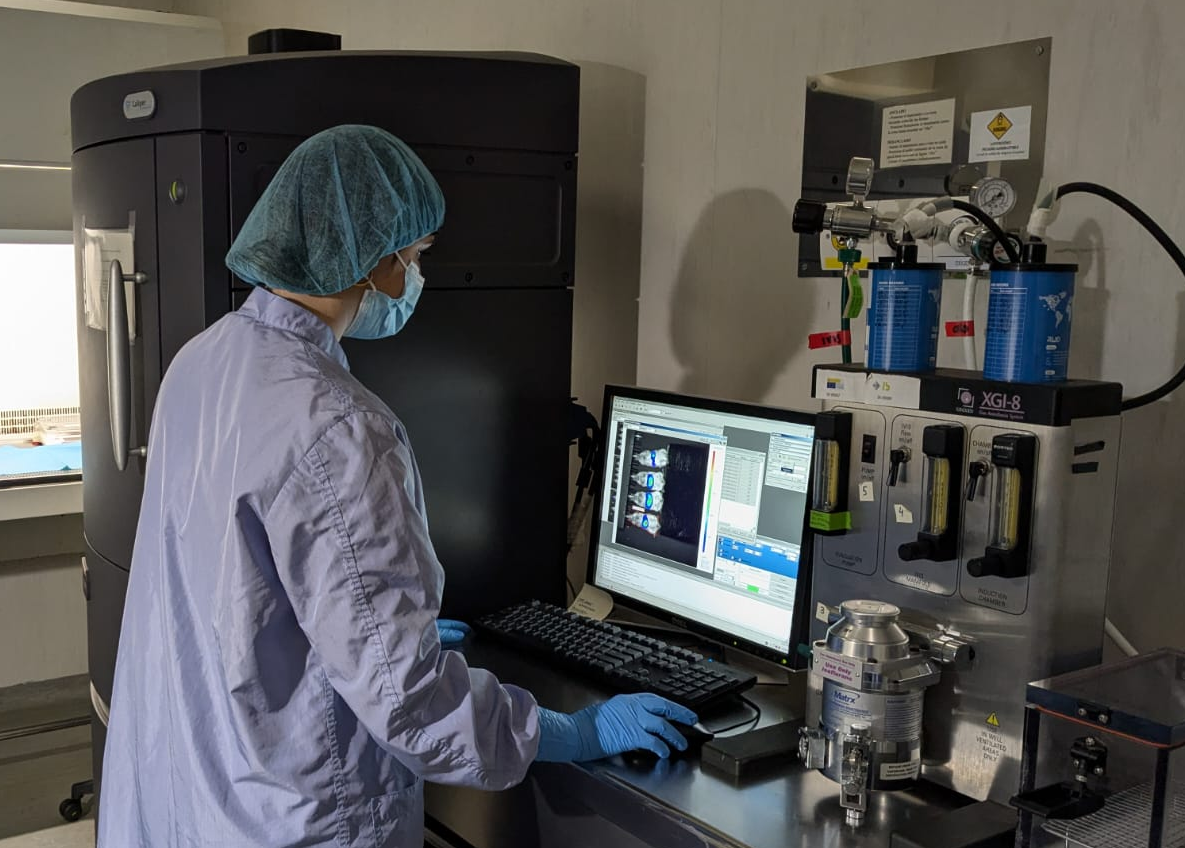
NANBIOSIS advances targeted nanomedicine for Acute Myeloid Leukemia on World Cancer Day

NANBIOSIS Unit 18 contributes to two studies advancing CXCR4-targeted nanoconjugates for acute myeloid leukemia, highlighted on World Cancer Day.

On the occasion of World Cancer Day, NANBIOSIS highlights the recent publication of two scientific articles advancing a novel line of research focused on the development of targeted nanoconjugates for the treatment of acute myeloid leukemia (AML). Both studies include the active participation of NANBIOSIS Unit 18, reinforcing the Unit’s role in the preclinical development and evaluation of innovative cancer nanomedicines.

Optimizing conjugation strategies to enhance antitumor efficacy

The first study, Conjugation strategy shapes antitumor efficacy and enables dose-sparing in non-antibody protein nanoconjugates, addresses a key challenge in cancer nanomedicine: improving therapeutic selectivity while minimizing systemic toxicity. While antibody–drug conjugates (ADCs) are considered the gold standard in targeted therapies, their clinical limitations have driven the search for alternative approaches.

In this work, researchers evaluated how site-specific conjugation strategies influence the biodistribution and antitumor efficacy of a CXCR4-targeted multivalent protein nanocarrier loaded with the cytotoxic drug monomethyl auristatin E (MMAE). The results demonstrated that precise payload positioning significantly impacts therapeutic performance. Notably, a site-specific design achieved comparable tumor control with a four-fold lower drug load, highlighting the potential of dose-sparing strategies in next-generation protein-based nanomedicines.

Precision targeting of CXCR4⁺ leukemia cells in AML models

The second publication, Precision targeting of CXCR4+ leukemia cells by a humanized MMAE-nanoconjugate in an AML mouse model, focuses on overcoming chemoresistance and relapse in AML, which are largely driven by therapy-resistant leukemic stem cells in the bone marrow.

The study describes the development of T22-HSNBT-H6-MMAE, a humanized nanoconjugate designed to selectively target CXCR4-overexpressing leukemia cells, a biomarker associated with poor prognosis in approximately 50% of AML patients. In vitro and in vivo experiments demonstrated potent antileukemic activity, including complete suppression of leukemic dissemination and prolonged survival in a disseminated AML mouse model, without systemic toxicity. Importantly, the nanoconjugate showed selectivity for malignant cells while sparing healthy bone marrow and peripheral blood cells.

The role of NANBIOSIS Unit 18

NANBIOSIS Unit 18, located at the Hospital de la Santa Creu i Sant Pau (Barcelona) and coordinated by Dr. Ramón Mangues, specializes in nanotoxicology and preclinical safety assessment. The Unit evaluates the toxicity and tolerability of new drugs, nanoparticles and nanotechnology-based biomaterials using in vitro and in vivo models, supporting the optimization of lead compounds with higher probabilities of clinical success.

With advanced facilities for cell culture, flow cytometry, confocal microscopy and in vivo experimentation in small animal models, Unit 18 plays a key role in ensuring the safety, efficacy and translational potential of innovative nanomedicine approaches.

Together, these two studies underscore the contribution of NANBIOSIS to cutting-edge cancer research and highlight the promise of CXCR4-targeted nanoconjugates as a new therapeutic strategy for patients with acute myeloid leukemia.

What is NANBIOSIS?

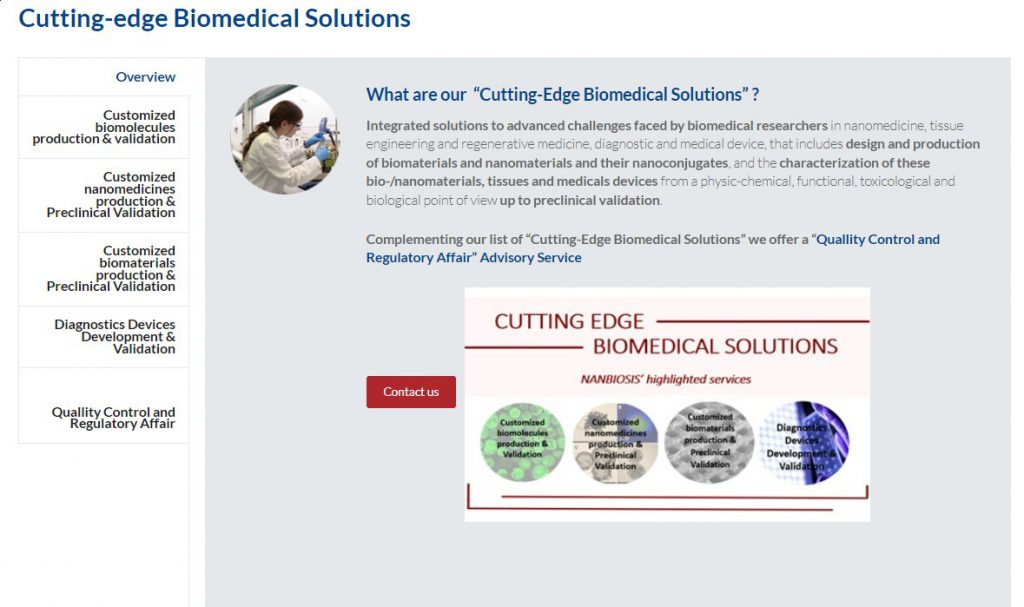
The goal of NANBIOSIS is to provide comprehensive and integrated advanced solutions for companies and research institutions in biomedical applications. All of this is done through a single-entry point, involving the design and production of biomaterials, nanomaterials, and their nanoconjugates. This includes their characterization from physical-chemical, functional, toxicological, and biological perspectives (preclinical validation).

If you want to collaborate with us, visit our Order Request page.
Leading scientists

The main value of NANBIOSIS is our highly qualified and experienced academic scientists, working in public institutions, renowned universities and other research institutes.

Custom solutions

Designed for either scientific collaboration or the private industry, we adapt our services to your needs, filling the gaps and paving the way towards the next breakthrough.

Cutting-Edge facilities

Publicly funded, with the most advanced equipment, offering a wide variety of services from synthesis of nanoparticles and medical devices, including up to preclinical trials.

Standards of quality

Our services have standards of quality required in the pharmaceutical, biotech and medtech sectors, from Good Practices to ISO certifications.

In order to access our Cutting-Edge Biomedical Solutions with priority access, enter our Competitive Call here.

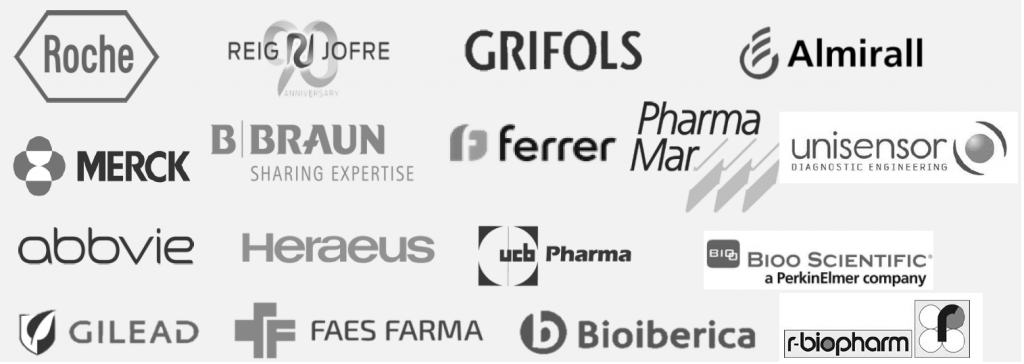
NANBIOSIS has worked with pharmaceutical companies of all sizes in the areas of drug delivery, biomaterials and regenerative medicine. Here are a few of them:
Read More

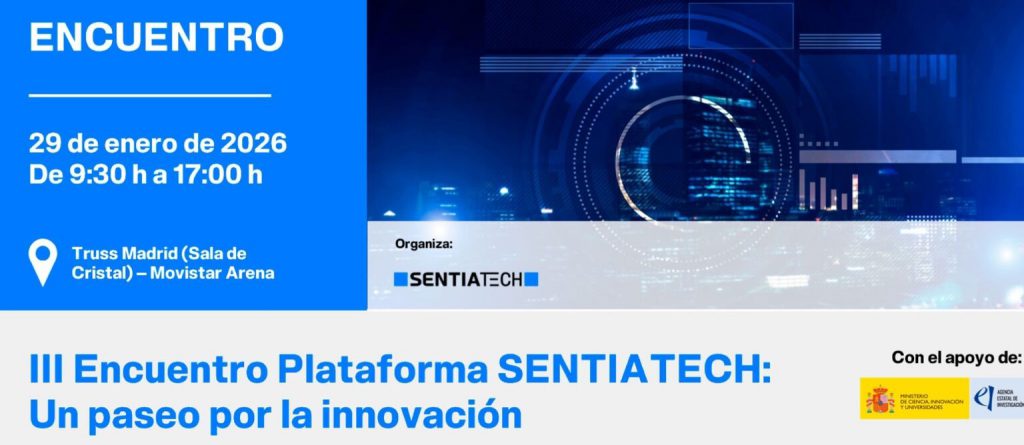
NANBIOSIS Unit 2 (CAbS) at the III SENTIATECH Meeting on Science, Technology & Health Risk Monitoring

NANBIOSIS Unit 2 (CAbS) participates in the III SENTIATECH Meeting, showcasing nanobiotechnology and diagnostics for health risk monitoring.

NANBIOSIS is actively represented at the III SENTIATECH Meeting | Science, Technology & Health Risk Monitoring through the Nb4D research group, in which NANBIOSIS Unit 2 “CAbS” is integrated. This third edition of the SENTIATECH Meeting focuses on presenting the SENTIATECH platform and strengthening collaboration between research centers and industry to tackle current and emerging challenges in defense and chemical–biological risk management.

During the meeting, Dr. J. Pablo Salvador, Tenured Scientist and member of the Nb4D group, is coordinating Working Group 4 (WG4), dedicated to the monitoring and diagnosis of health-related risks. This working group addresses key scientific and technological strategies for early detection, surveillance, and response to threats affecting human health.

In parallel, the Nb4D group has a dedicated exhibition space at the event, where it is presenting its research and technological capabilities in nanobiotechnology, diagnostics, and antibody-based solutions. As experts in immunoassay development, the group showcases advanced tools for the detection of pathogens, toxins, chemical contaminants, and other threatening substances, reinforcing the relevance of NANBIOSIS infrastructures in high-impact risk scenarios.

The SENTIATECH Meeting brings together stakeholders from academia, research institutions, and industry with the shared objective of:

  • Presenting technological solutions for defense and chemical–biological risk scenarios
  • Fostering collaborative synergies between science and industry
  • Defining a strategic agenda to address emerging and future risks effectively

Participation in this forum highlights the commitment of NANBIOSIS and its units to technology transfer, innovation, and the application of cutting-edge science to protect human health and security.

What is NANBIOSIS?

The goal of NANBIOSIS is to provide comprehensive and integrated advanced solutions for companies and research institutions in biomedical applications. All of this is done through a single-entry point, involving the design and production of biomaterials, nanomaterials, and their nanoconjugates. This includes their characterization from physical-chemical, functional, toxicological, and biological perspectives (preclinical validation).

If you want to collaborate with us, visit our Open Call page.

Leading scientists

The main value of NANBIOSIS is our highly qualified and experienced academic scientists, working in public institutions, renowned universities and other research institutes.

Custom solutions

Designed for either scientific collaboration or the private industry, we adapt our services to your needs, filling the gaps and paving the way towards the next breakthrough.

Cutting-Edge facilities

Publicly funded, with the most advanced equipment, offering a wide variety of services from synthesis of nanoparticles and medical devices, including up to preclinical trials.

Standards of quality

Our services have standards of quality required in the pharmaceutical, biotech and medtech sectors, from Good Practices to ISO certifications.

In order to access our Cutting-Edge Biomedical Solutions with priority access, enter our Competitive Call here.

NANBIOSIS has worked with pharmaceutical companies of all sizes in the areas of drug delivery, biomaterials and regenerative medicine. Here are a few of them:
Read More

Preclinical Histology Workflow within NANBIOSIS

New video shows the Preclinical Histology workflow of NANBIOSIS Unit 20 at VHIR, part of an integrated platform for preclinical validation and imaging.

NANBIOSIS has published a new video on its YouTube channel showcasing the Preclinical Histology Section, one of the key service areas of NANBIOSIS Unit 20 – In vivo Experimental Platform, located at the Vall d’Hebron Research Institute (VHIR) in Barcelona.

The Preclinical Histology Section provides specialized tissue processing and staining services for the evaluation of therapeutic compounds and biomarkers in preclinical research. Operating within ISO-certified facilities, the team works with both paraffin-embedded and OCT-embedded frozen samples, offering high-level expertise in histological staining, immunohistochemistry, and immunofluorescence.

The video focuses on the paraffin-embedded sample workflow, demonstrating each step of the process: reception and classification of formalin-fixed samples, automated tissue processing, paraffin embedding, precise block orientation, microtome sectioning, and hematoxylin–eosin staining. The section routinely handles a wide range of biological materials, from whole organs to delicate tissues and advanced 3D models such as organoids, ensuring reproducibility and high-quality results.

Importantly, the Preclinical Histology Section is part of the broader NANBIOSIS Unit 20, which comprises three integrated sections: Molecular Imaging, Preclinical Animal Models, and Preclinical Histology. All three are embedded within the Functional Validation & Preclinical Research (FVPR) area of CIBBIM-Nanomedicine. This integrated structure enables Unit 20 to offer comprehensive preclinical proof-of-concept validation services.

Led by Dr. Ibane Abasolo, Head of FVPR, Unit 20 stands out for combining toxicology, histopathology, and efficacy studies with non-invasive optical imaging technologies, including in vivo bioluminescence and fluorescence imaging. This unique combination allows longitudinal monitoring of living animal models, providing real-time insights into treatment efficacy, biodistribution, and mechanisms of action. While similar imaging technologies exist elsewhere in Spain, Unit 20 is unique in offering them fully integrated with dedicated preclinical animal models.

This new video offers a practical glimpse into the high-quality preclinical services available through NANBIOSIS Unit 20.
More information about the unit and its full service portfolio is available on the NANBIOSIS website.

https://www.youtube.com/shorts/PwYuCOJALlE

What is NANBIOSIS?

The goal of NANBIOSIS is to provide comprehensive and integrated advanced solutions for companies and research institutions in biomedical applications. All of this is done through a single-entry point, involving the design and production of biomaterials, nanomaterials, and their nanoconjugates. This includes their characterization from physical-chemical, functional, toxicological, and biological perspectives (preclinical validation).

If you want to collaborate with us, visit our Open Call page.

Leading scientists

The main value of NANBIOSIS is our highly qualified and experienced academic scientists, working in public institutions, renowned universities and other research institutes.

Custom solutions

Designed for either scientific collaboration or the private industry, we adapt our services to your needs, filling the gaps and paving the way towards the next breakthrough.

Cutting-Edge facilities

Publicly funded, with the most advanced equipment, offering a wide variety of services from synthesis of nanoparticles and medical devices, including up to preclinical trials.

Standards of quality

Our services have standards of quality required in the pharmaceutical, biotech and medtech sectors, from Good Practices to ISO certifications.

In order to access our Cutting-Edge Biomedical Solutions with priority access, enter our Competitive Call here.

NANBIOSIS has worked with pharmaceutical companies of all sizes in the areas of drug delivery, biomaterials and regenerative medicine. Here are a few of them:
Read More

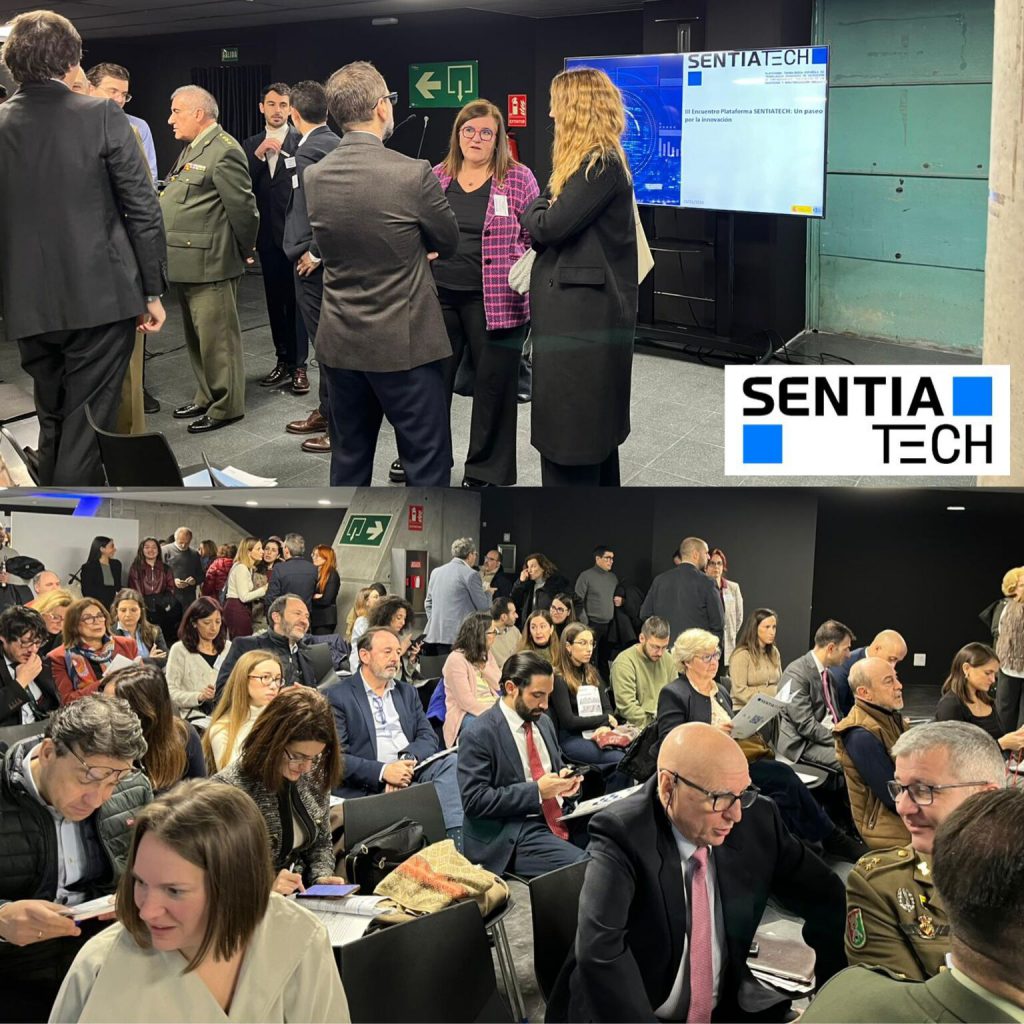
NANBIOSIS Launches Its Official Newsletter

By subscribing to our Newsletter, you will receive curated updates straight to your inbox.

We are pleased to announce the launch of the NANBIOSIS Newsletter, a new communication channel designed to keep our community up to date with the most relevant news and opportunities from our infrastructure.

By subscribing to our Newsletter, you will receive curated updates straight to your inbox every three months, featuring selected content you won’t want to miss. We value your time: we do not spam, and the Newsletter will only be sent to users who actively subscribe.

👉 If you wish to receive future editions, you can subscribe here.

This newsletter has been created within the framework of the project “Promotion of new coordinated actions and open access to NANBIOSIS (NANBIO-ACCESS)”, RED2024-154146-I, founded by Spanish Agencia Estatal de Investigación

Celebrating 10 Years of NANBIOSIS as an ICTS: Highlights of 2025

To mark the 10th anniversary of NANBIOSIS as a Unique Scientific and Technical Infrastructure (ICTS), our first Newsletter includes a selection of key highlights from 2025:

Featured News

NANBIOSIS Strengthens Internal Collaboration at the 2025 Networking Event in Cáceres
A networking event bringing together Units working in biomaterials, nanomedicine, and biomedical research to foster collaboration. Read the article.

Revalidated as a Unique Scientific and Technical Infrastructure (ICTS)
In November 2025, NANBIOSIS was revalidated as a Spanish ICTS, reaffirming its strategic role in cutting-edge innovation. Read the article.

Danish Students Visit NANBIOSIS Unit 28 (NanoImaging) at IBIMA-BIONAND
International students explored advanced nanoimaging technologies driving innovation in biomedical research. Read the article.

In addition to other interesting scientific highlights. You can read the entire newsletter here.

Stay connected and don’t miss future updates: subscribe to the NANBIOSIS Newsletter and follow the latest developments from our Units, researchers, and infrastructures.

And do not forget, this is the last week for our Open Call! More information here.

Mark your calendar and ready your proposals! The Call is open until the end of January 2026. You can access to it here.

What is NANBIOSIS?

The goal of NANBIOSIS is to provide comprehensive and integrated advanced solutions for companies and research institutions in biomedical applications. All of this is done through a single-entry point, involving the design and production of biomaterials, nanomaterials, and their nanoconjugates. This includes their characterization from physical-chemical, functional, toxicological, and biological perspectives (preclinical validation).

Leading scientists

The main value of NANBIOSIS is our highly qualified and experienced academic scientists, working in public institutions, renowned universities and other research institutes.

Custom solutions

Designed for either scientific collaboration or the private industry, we adapt our services to your needs, filling the gaps and paving the way towards the next breakthrough.

Cutting-Edge facilities

Publicly funded, with the most advanced equipment, offering a wide variety of services from synthesis of nanoparticles and medical devices, including up to preclinical trials.

Standards of quality

Our services have standards of quality required in the pharmaceutical, biotech and medtech sectors, from Good Practices to ISO certifications.

In order to access our Cutting-Edge Biomedical Solutions with priority access, enter our Competitive Call here.

NANBIOSIS has worked with pharmaceutical companies of all sizes in the areas of drug delivery, biomaterials and regenerative medicine. Here are a few of them:
Read More

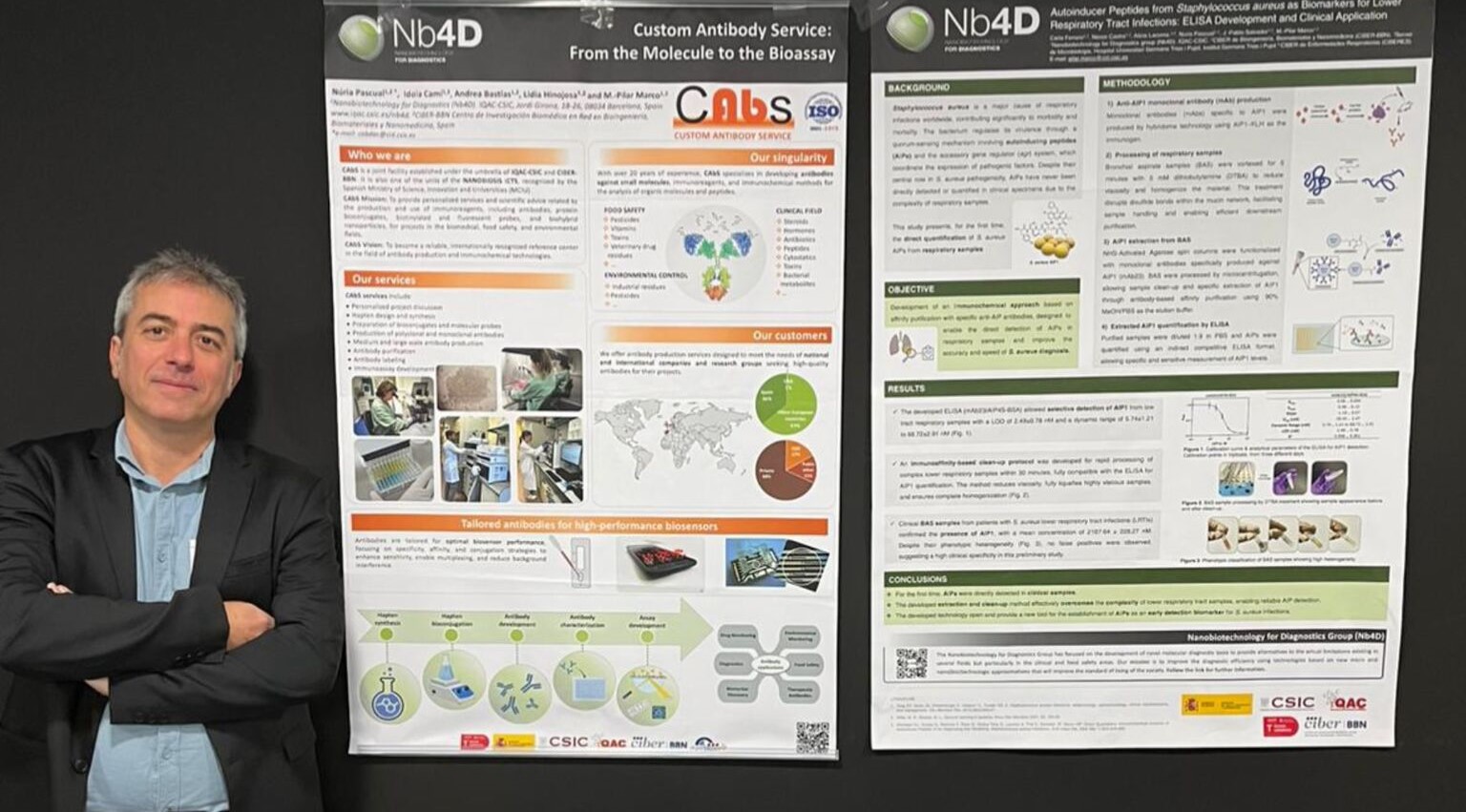
Ready your proposals: Open Call starts on january

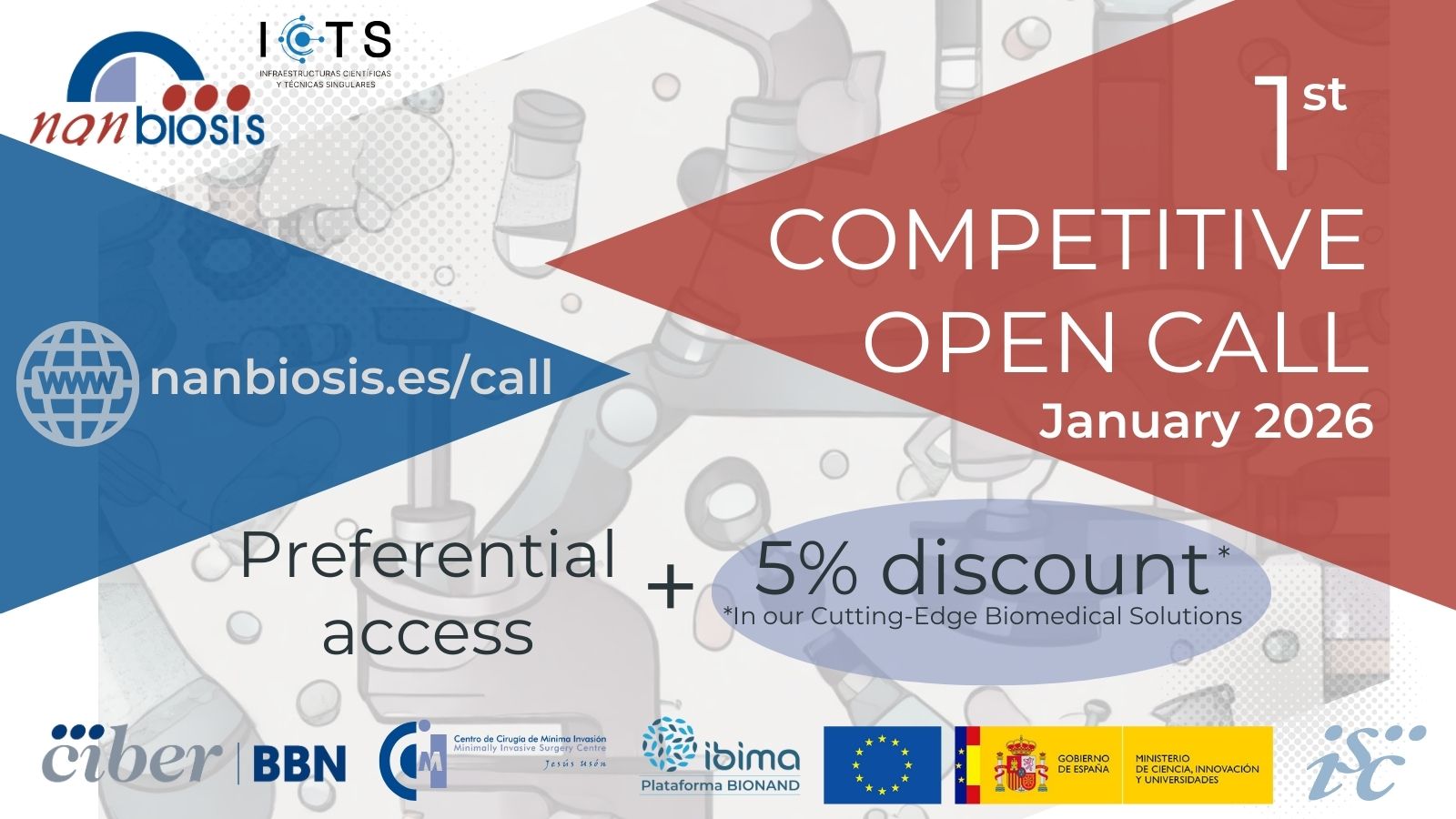
NANBIOSIS opens in January the 1st Competitive Open Call of 2026 for our “Cutting-Edge Biomedical Solutions” and services.

Last year we made two Open Calls, and it was about time to introduce you to the first call of 2026: offering you our discounts and preferential access during the entire month of January! You can access to it here.

Our publicly funded facilities and internationally renowned scientists will help you design and test biomedical solutions to your heart’s content. We are open to all interested national and international users who may come either from the public or the private sector. You can apply to use our services in two modalities: under the “Competitive Open Access” (within our two designated yearly calls) or by “Access on Demand”, your choice.

To make that happen, at least 20% of the capacity of the Units of NANBIOSIS is offered on the Competitive Open Access modality. The proposals granted under this modality will be prioritized according to criteria of scientific and technical quality and singularity. In addition, a 5% discount will be applied for those proposals that resort to at least one of our integrated services, the Cutting-Edge Biomedical Solutions. The call can be accessed here.

NANBIOSIS is a research infrastructure for Biomedicine included in the the Spanish Map of ICTS (Spanish for “Scientific and Technical Unique Infrastructures”), approved by the Spanish Ministerio de Ciencia, Innovación y Universidades.

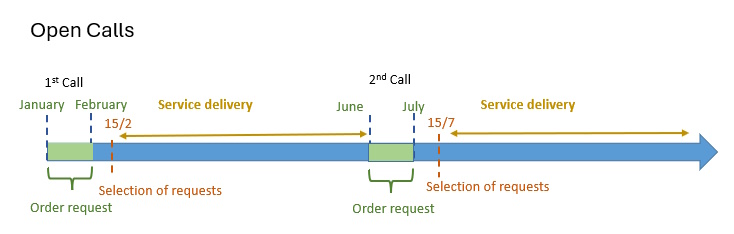
There are 2 calls per year for Competitive Open Access that allow the prioritization of the best proposals. Click here to apply.

As stated, the next call will open on January 2026. The applications can be submitted throughout the whole month (due date January 31th). Access application forms submitted after that date will be processed under the “Access on Demand” modality.

Proposals granted in the Competitive Open Access modality must meet, at least, one of the circumstances listed in the access application form (“order request“), in order to demonstrate their scientific and technical quality or singularity.

Thus, for example, applications related to R&D projects funded through national or European calls are eligible. In addition, the proposals are required to use one of the NANBIOSIS Cutting-Edge Biomedical Solutions”. That implies the interaction of at least two of our Units. The choice of said Units can be modified to your specific needs.

Mark your calendar and ready your proposals! The Call is open until the end of January 2026. You can access to it here.

This open access call to NANBIOSIS services is organized within the framework of the project “Promotion of new coordinated actions and open access to NANBIOSIS (NANBIO-ACCESS)”, RED2024-154146-I, founded by Spanish Agencia Estatal de Investigación

What is NANBIOSIS?

The goal of NANBIOSIS is to provide comprehensive and integrated advanced solutions for companies and research institutions in biomedical applications. All of this is done through a single-entry point, involving the design and production of biomaterials, nanomaterials, and their nanoconjugates. This includes their characterization from physical-chemical, functional, toxicological, and biological perspectives (preclinical validation).

Leading scientists

The main value of NANBIOSIS is our highly qualified and experienced academic scientists, working in public institutions, renowned universities and other research institutes.

Custom solutions

Designed for either scientific collaboration or the private industry, we adapt our services to your needs, filling the gaps and paving the way towards the next breakthrough.

Cutting-Edge facilities

Publicly funded, with the most advanced equipment, offering a wide variety of services from synthesis of nanoparticles and medical devices, including up to preclinical trials.

Standards of quality

Our services have standards of quality required in the pharmaceutical, biotech and medtech sectors, from Good Practices to ISO certifications.

In order to access our Cutting-Edge Biomedical Solutions with priority access, enter our Competitive Call here.

NANBIOSIS has worked with pharmaceutical companies of all sizes in the areas of drug delivery, biomaterials and regenerative medicine. Here are a few of them:
Read More

NANBIOSIS Revalidated as a Unique Scientific and Technical Infrastructure (ICTS) in Spain

NANBIOSIS has been revalidated as a Spanish ICTS in November 2025, reaffirming its strategic role in cutting-edge biomedical research and innovation.

Valencia, November 2025 — Last month, the Government of Spain reaffirmed NANBIOSIS as an Infraestructura Científico-Técnica Singular (ICTS), confirming its status as a key national infrastructure supporting cutting-edge research, technological development, and innovation in biomedicine and nanotechnology.

The ICTS designation is granted to publicly owned scientific and technical infrastructures that are unique or exceptional, require high investment and operational resources, and provide open and competitive access to the entire R&D&I community. These infrastructures play a strategic role in enabling frontier research, facilitating knowledge generation and preservation, promoting technology transfer, and fostering innovation.

ICTS are distributed throughout Spain and are included in the Map of Unique Scientific and Technical Infrastructures, a dynamic framework that ensures infrastructures continuously meet strict excellence, accessibility, and quality requirements. Depending on their level of integration, ICTS may operate as single-site facilities, networks of infrastructures, or distributed infrastructures.

The revalidation of NANBIOSIS as an ICTS highlights its sustained scientific excellence, public-service mission, and strategic relevance within the Spanish research ecosystem. This recognition reinforces the commitment of NANBIOSIS to offering advanced services and state-of-the-art capabilities to academic researchers, healthcare institutions, and industrial partners.

What is NANBIOSIS?

The goal of NANBIOSIS is to provide comprehensive and integrated advanced solutions for companies and research institutions in biomedical applications. All of this is done through a single-entry point, involving the design and production of biomaterials, nanomaterials, and their nanoconjugates. This includes their characterization from physical-chemical, functional, toxicological, and biological perspectives (preclinical validation).

Leading scientists

The main value of NANBIOSIS is our highly qualified and experienced academic scientists, working in public institutions, renowned universities and other research institutes.

Custom solutions

Designed for either scientific collaboration or the private industry, we adapt our services to your needs, filling the gaps and paving the way towards the next breakthrough.

Cutting-Edge facilities

Publicly funded, with the most advanced equipment, offering a wide variety of services from synthesis of nanoparticles and medical devices, including up to preclinical trials.

Standards of quality

Our services have standards of quality required in the pharmaceutical, biotech and medtech sectors, from Good Practices to ISO certifications.

In order to access our Cutting-Edge Biomedical Solutions with priority access, enter our Competitive Call here.

NANBIOSIS has worked with pharmaceutical companies of all sizes in the areas of drug delivery, biomaterials and regenerative medicine. Here are a few of them:

Read More

NANBIOSIS U26 Contributes to New Study Using CMR and PET to Track Myocardial Infarction Progression in Mice

Multimodal CMR/PET imaging reveals key differences in infarct evolution in mice. NANBIOSIS U26 contributed technical expertise and advanced imaging support.

Valencia, December 2025 — A new scientific publication, “Characterization of Infarct Size and Remodeling Using CMR and PET in Mice Models of Reperfused and Non-Reperfused Myocardial Infarction” (Diagnostics, 2025), highlights the value of combining cardiovascular magnetic resonance (CMR) and positron emission tomography (PET) for non-invasive, longitudinal evaluation of heart damage in preclinical models of myocardial infarction. The study features the participation of NANBIOSIS Unit 26, which contributed both technical expertise and advanced imaging infrastructure.

A multimodal approach to understanding Heart Injury

The research compares two experimental mouse models of myocardial infarction—one with permanent coronary occlusion (non-reperfused) and another with transient occlusion followed by reperfusion. Using CMR and fluorine-18 FDG PET imaging at baseline and at 1, 7, and 21 days after infarction, the authors assessed:

  • Infarct size
  • Systolic function
  • Myocardial glucose metabolism

Masson’s trichrome histology served as the reference standard for infarct size at the chronic phase.

The results showed that both models exhibited infarction, reduced systolic function, and decreased glucose metabolism as early as 24 hours post-event. By day 21, reperfused mice demonstrated smaller infarcts and better-preserved cardiac function, although metabolic activity measured by PET did not differ significantly between groups. Moreover, early CMR and PET measurements proved to be strong predictors of long-term outcomes.

These findings underscore the value of combined PET/CMR imaging for monitoring disease progression and evaluating new therapeutic strategies in preclinical cardiovascular research.

NANBIOSIS Participation

NANBIOSIS Unit 26 (NMR Biomedical Applications II) played an essential role in the project by providing both expert technical support—via technician and co-author Mustafa Ezzeddin—and access to its specialized imaging facilities.

“To continue advancing the Biomedical and Metabolomics Imaging section, we are pleased to share that we have published an article using a murine model of acute myocardial infarction, employing 3T MRI and PET-CLIP-ON techniques.”

—Mustafa Ezzeddin, technician at Unit 26 of NANBIOSIS

About NANBIOSIS Unit 26

Located at the Faculty of Medicine of the University of Valencia (UV), Unit 26 offers advanced NMR-based metabolomic and imaging capabilities, including a 14T NMR system for biofluid, cell line, and tissue metabolic profiling. The Unit is coordinated by Dr. Ramón Martínez-Máñez, Principal Investigator of the Applied Molecular Chemistry Group at the Universitat Politècnica de València and Scientific Director of NANBIOSIS, together with Dr. Salvador Gil, Director of the Central Service for Experimental Research (SCSIE).

Reference: DOI

What is NANBIOSIS?

The goal of NANBIOSIS is to provide comprehensive and integrated advanced solutions for companies and research institutions in biomedical applications. All of this is done through a single-entry point, involving the design and production of biomaterials, nanomaterials, and their nanoconjugates. This includes their characterization from physical-chemical, functional, toxicological, and biological perspectives (preclinical validation).

Leading scientists

The main value of NANBIOSIS is our highly qualified and experienced academic scientists, working in public institutions, renowned universities and other research institutes.

Custom solutions

Designed for either scientific collaboration or the private industry, we adapt our services to your needs, filling the gaps and paving the way towards the next breakthrough.

Cutting-Edge facilities

Publicly funded, with the most advanced equipment, offering a wide variety of services from synthesis of nanoparticles and medical devices, including up to preclinical trials.

Standards of quality

Our services have standards of quality required in the pharmaceutical, biotech and medtech sectors, from Good Practices to ISO certifications.

In order to access our Cutting-Edge Biomedical Solutions with priority access, enter our Competitive Call here.

NANBIOSIS has worked with pharmaceutical companies of all sizes in the areas of drug delivery, biomaterials and regenerative medicine. Here are a few of them:

Read More

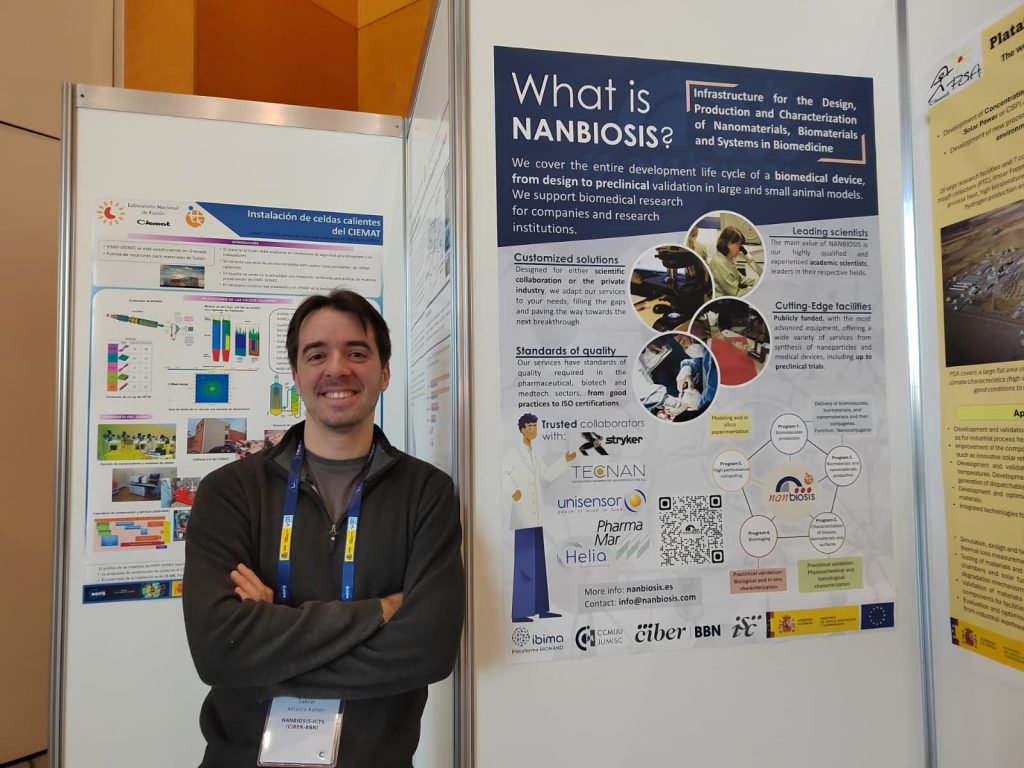
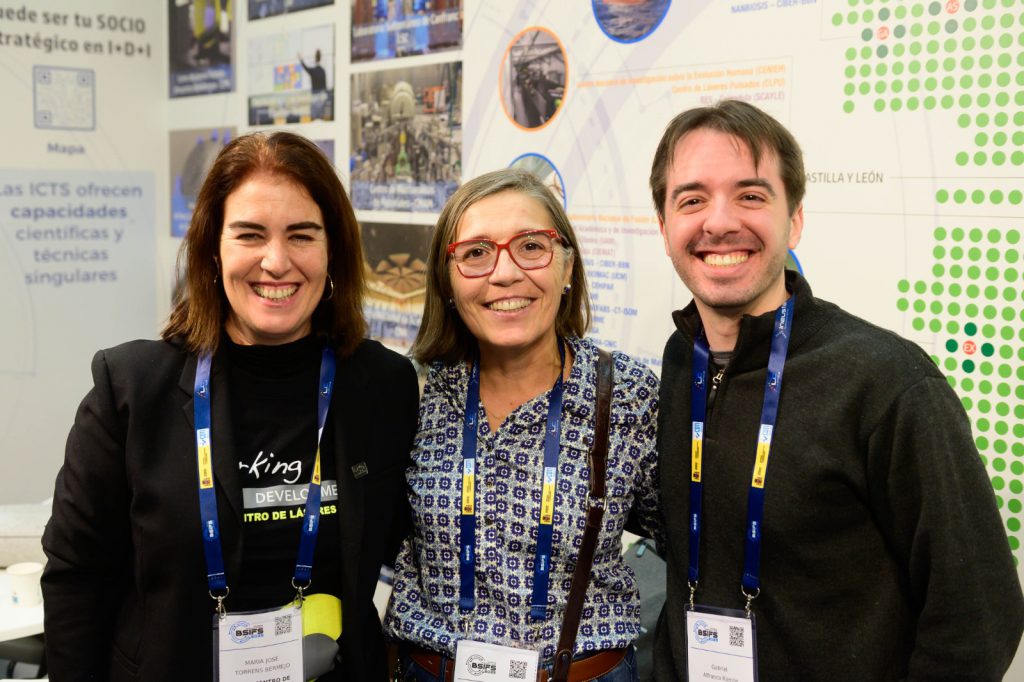
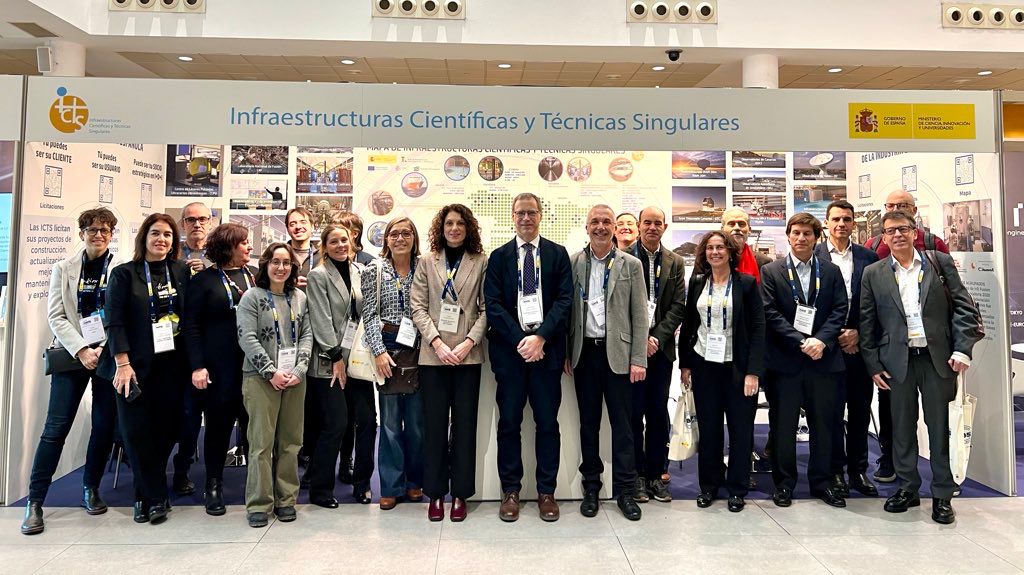
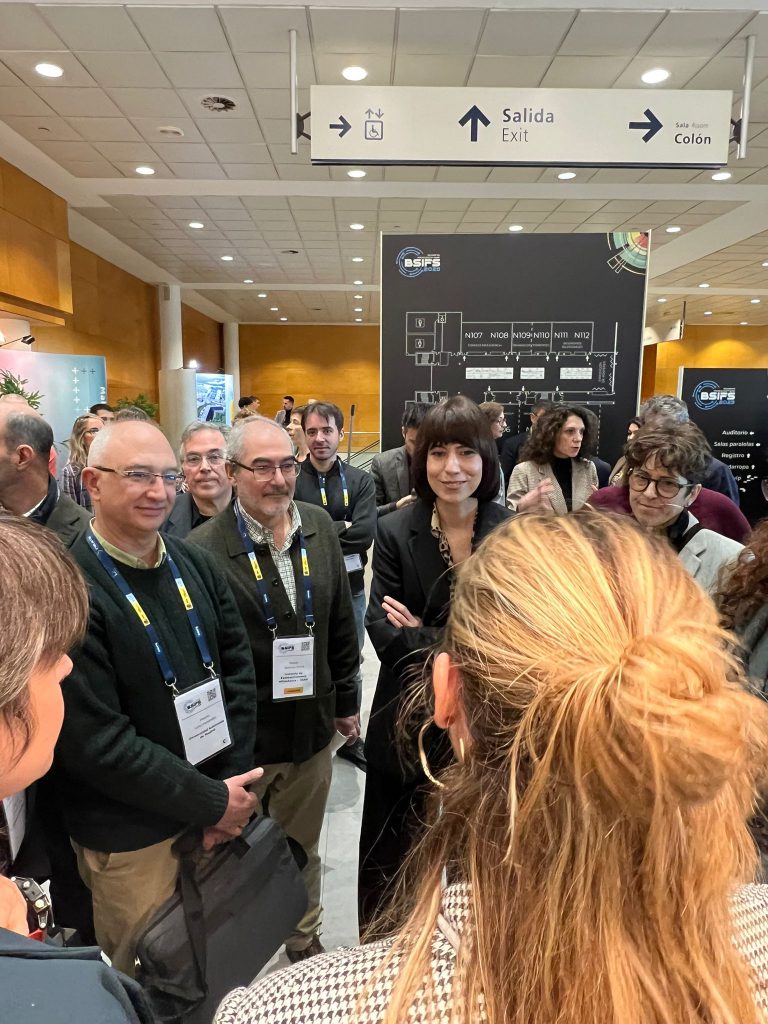
NANBIOSIS showcases its capabilities at Big Science Industry Forum Spain 2025

NANBIOSIS joined BSIFS2025, presenting its ICTS capabilities and strengthening collaboration with national and international Big Science infrastructures.

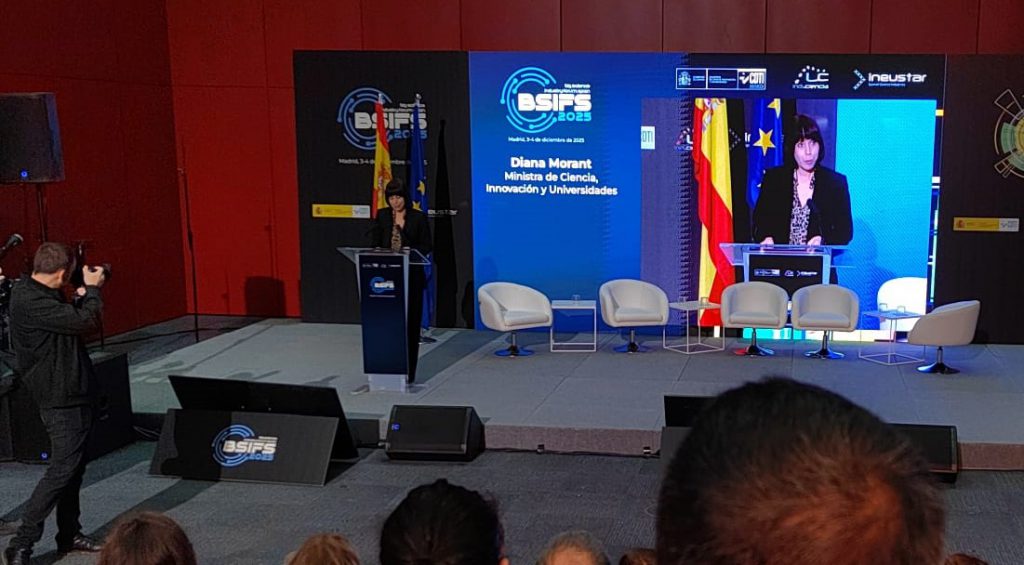
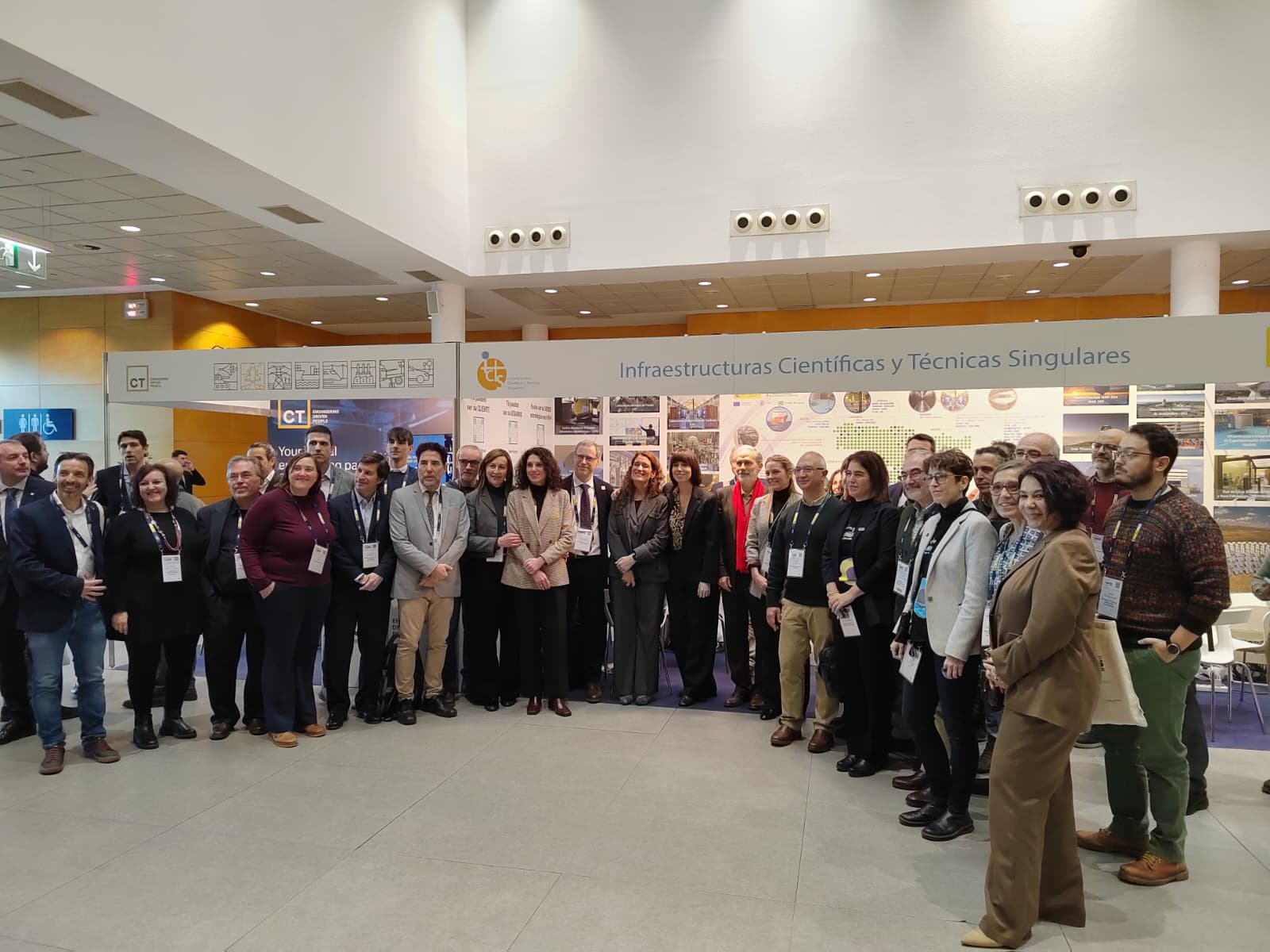
Madrid, December 2025 — Last week, NANBIOSIS participated in the Big Science Industry Forum Spain 2025 (BSIFS2025), the first national forum designed to strengthen Spain’s Big Science industry and promote collaboration between research infrastructures, companies, and scientific institutions. The event—organised by CDTI Innovation, INDUCIENCIA, and INEUSTAR—highlighted Spain’s technological leadership and its role in major international scientific projects.

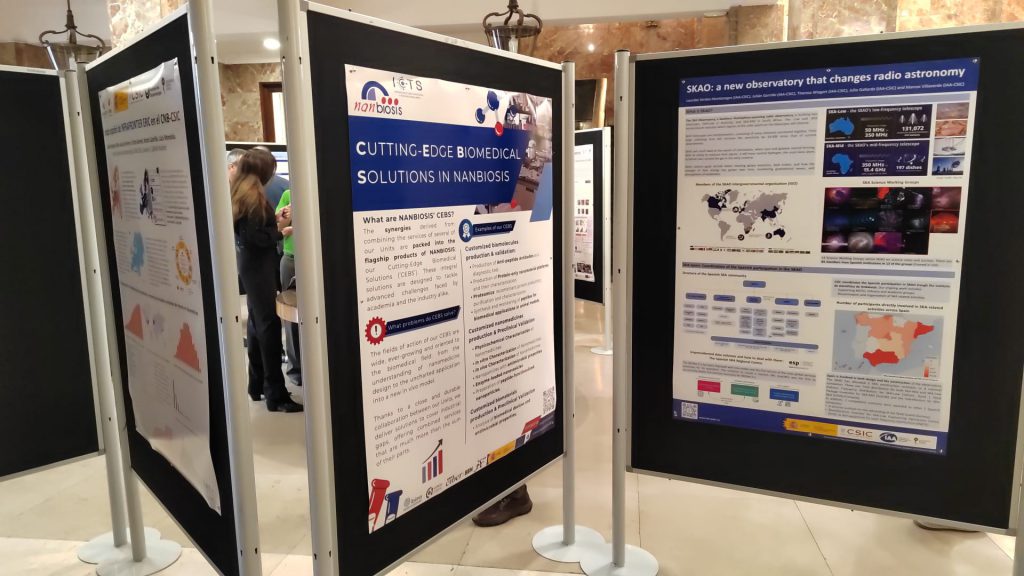
Held over two days, BSIFS2025 gathered representatives from leading global research infrastructures in particle physics, fusion, and astronomy, including CERN, ITER and F4E, and ESO, alongside key national ICTS facilities. The forum offered a comprehensive programme featuring procurement updates, technological trends, networking spaces, company exhibitions, and a poster area showcasing research capabilities.

NANBIOSIS was present within the ICTS stand of the Ministry of Science, Innovation and Universities, which received a visit from the Minister, Diana Morant. The infrastructure also presented a poster detailing its services and technological capacities in biomedical research and nanomedicine.

Throughout the event, NANBIOSIS engaged with industry representatives, research centres, and other large scientific facilities, strengthening partnerships and exploring new opportunities for collaboration. Participation in BSIFS2025 reinforced the key role of NANBIOSIS within Spain’s scientific ecosystem and its contributions to innovation, technology transfer, and advanced research services.

What is NANBIOSIS?

The goal of NANBIOSIS is to provide comprehensive and integrated advanced solutions for companies and research institutions in biomedical applications. All of this is done through a single-entry point, involving the design and production of biomaterials, nanomaterials, and their nanoconjugates. This includes their characterization from physical-chemical, functional, toxicological, and biological perspectives (preclinical validation).

Leading scientists

The main value of NANBIOSIS is our highly qualified and experienced academic scientists, working in public institutions, renowned universities and other research institutes.

Custom solutions

Designed for either scientific collaboration or the private industry, we adapt our services to your needs, filling the gaps and paving the way towards the next breakthrough.

Cutting-Edge facilities

Publicly funded, with the most advanced equipment, offering a wide variety of services from synthesis of nanoparticles and medical devices, including up to preclinical trials.

Standards of quality

Our services have standards of quality required in the pharmaceutical, biotech and medtech sectors, from Good Practices to ISO certifications.

In order to access our Cutting-Edge Biomedical Solutions with priority access, enter our Competitive Call here.

NANBIOSIS has worked with pharmaceutical companies of all sizes in the areas of drug delivery, biomaterials and regenerative medicine. Here are a few of them:

Read More

NANBIOSIS showcases its capabilities at the II Conference on Major Research Infrastructures of CSIC

NANBIOSIS-ICTS participated in the II CSIC Conference on Major Research Infrastructures, presenting its capabilities and services for biomedical research.

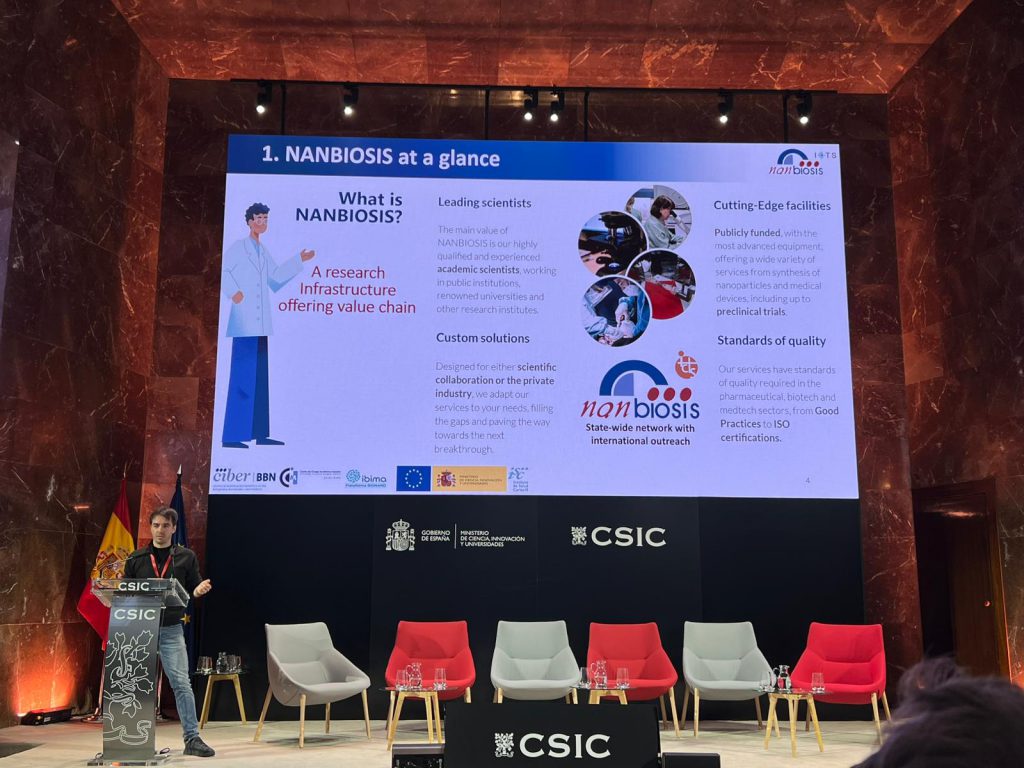
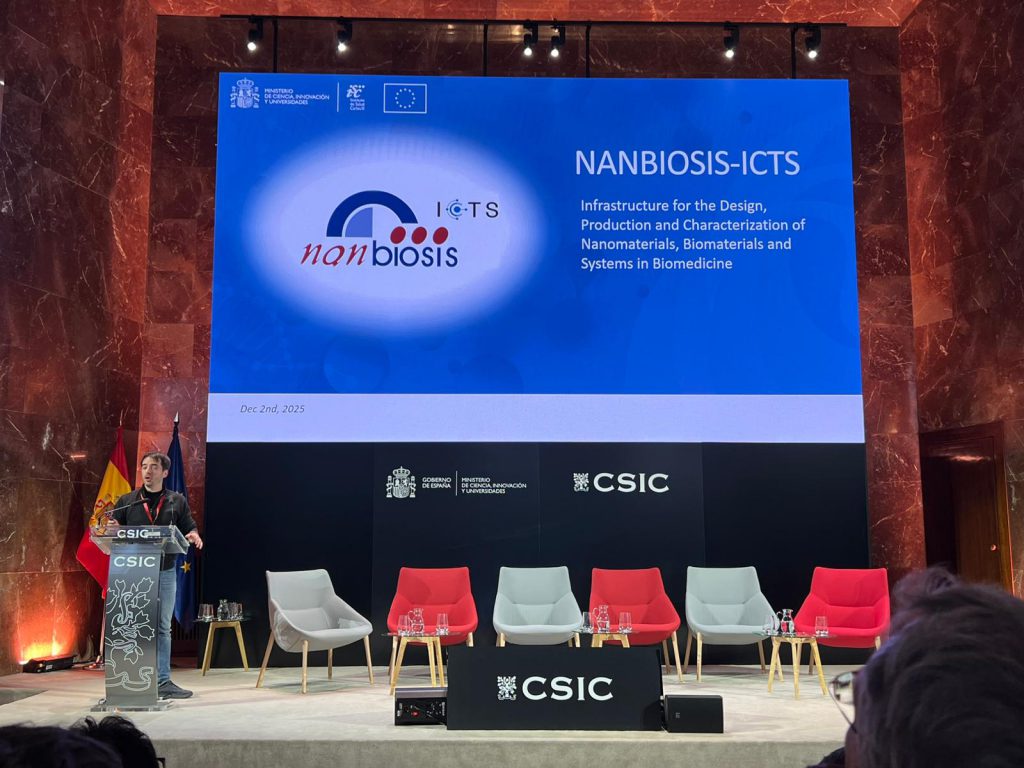
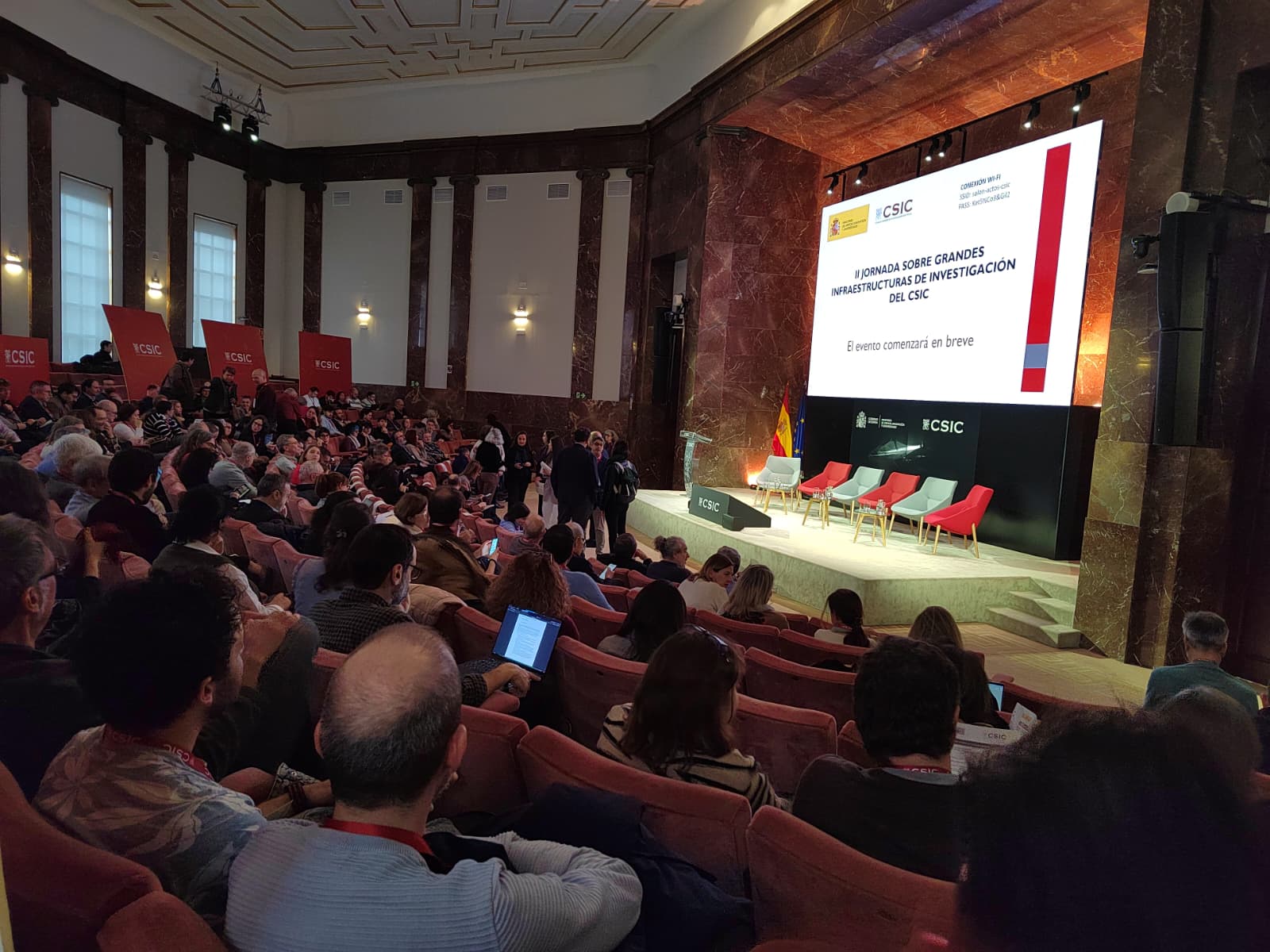
Madrid, December 2025 — Just yesterday, 2 of December 2025, NANBIOSIS-ICTS participated in the II Jornada de Grandes Infraestructuras de Investigación del CSIC, a key annual event organised by the Spanish National Research Council (CSIC) at its central headquarters in Madrid. The meeting, held entirely in person, followed the successful first edition in 2024 and aimed to highlight the latest developments, strategic priorities, and services offered by Spain’s Large Scientific and Technological Infrastructures.

The event opened with an institutional welcome from José María Martell (VICYT-CSIC) in representation of Eloísa del Pino, President of CSIC. This was followed by an update on European policies for research infrastructures and a detailed overview presented by José María Martell himself, who outlined the current mapping and diagnostic status of CSIC’s technological infrastructures.

A central roundtable addressed challenges and opportunities for technological infrastructures, moderated by Javier Menéndez González (VAPC-CSIC, ESFRI Chair Office), featuring representatives from CSIC, CDTI, Helmholtz, INTA-CSIC, and CIB-CSIC. The debate highlighted the importance of collaboration, innovation, and strategic alignment between major facilities.

One of the main sessions of the programme focused on presenting several large research infrastructures in which CSIC participates. During this session, NANBIOSIS-ICTS was introduced by Gabriel Alfranca (CIBER-BBN, Communication Manager of NANBIOSIS), who presented the infrastructure’s unique capabilities, advanced biomedical services, and collaboration opportunities for researchers and companies. The session also featured presentations from the Animal Health Research Centre (CISA, INIA-CSIC), AnaEE ERIC, and eLTER, illustrating the breadth of CSIC’s involvement in national and European infrastructures.

The afternoon programme concentrated on data management and open science within major research infrastructures, under the theme “EOSC at CSIC”. Led by Carmen García (IFIC-CSIC), the panel explored strategies for data governance, FAIR principles, and the impact of open data through examples from SKA, EPOS, and Doñana ICTS (LifeWatch ERIC), sparking a vibrant debate on the future of data management and analysis, including the role and challenges of AI usage.

The conference concluded with an open debate and networking session, reinforcing the importance of cooperation between research infrastructures to strengthen Spain’s scientific competitiveness. Through its active participation, NANBIOSIS reasserted its commitment to supporting biomedical research and enabling innovation through high-quality scientific and technological services.

What is NANBIOSIS?

The goal of NANBIOSIS is to provide comprehensive and integrated advanced solutions for companies and research institutions in biomedical applications. All of this is done through a single-entry point, involving the design and production of biomaterials, nanomaterials, and their nanoconjugates. This includes their characterization from physical-chemical, functional, toxicological, and biological perspectives (preclinical validation).

Leading scientists

The main value of NANBIOSIS is our highly qualified and experienced academic scientists, working in public institutions, renowned universities and other research institutes.

Custom solutions

Designed for either scientific collaboration or the private industry, we adapt our services to your needs, filling the gaps and paving the way towards the next breakthrough.

Cutting-Edge facilities

Publicly funded, with the most advanced equipment, offering a wide variety of services from synthesis of nanoparticles and medical devices, including up to preclinical trials.

Standards of quality

Our services have standards of quality required in the pharmaceutical, biotech and medtech sectors, from Good Practices to ISO certifications.

In order to access our Cutting-Edge Biomedical Solutions with priority access, enter our Competitive Call here.

NANBIOSIS has worked with pharmaceutical companies of all sizes in the areas of drug delivery, biomaterials and regenerative medicine. Here are a few of them:
Read More

Glucose-Powered Nanomotors Achieve Deeper Drug Delivery in Solid Tumors

Glucose-powered nanomotors developed by UPV researchers boost drug delivery deep inside solid tumors, showing strong efficacy in advanced preclinical models.

Valencia, November 2025 — A research team from the Universitat Politècnica de València (UPV), part of the Interuniversity Institute for Molecular Recognition and Technological Development (IDM), has developed glucose-driven nanomotors capable of autonomously navigating solid tumors and delivering chemotherapy drugs more effectively. The work, validated in animal models and patient-derived samples, has been published in ACS Nano.

The study involved researchers from IIS La Fe, CIBER-BBN, CIBERONC, INCLIVA, and the Príncipe Felipe Research Center (CIPF). Prof. Ramón Martínez-Mañez, Scientific Director of NANBIOSIS, is the corresponding author.

Nanomotors That Use Tumor Glucose as Fuel

Poor penetration of chemotherapeutic agents into the inner tumor layers remains a major challenge in cancer treatment. As explained by the corresponding author, Ramón Martínez-Máñez — Director of IDM at UPV, CIBER-BBN researcher, and Coordinator of NANBIOSIS Unit 26 — the new Janus nanomotors help overcome this barrier by using glucose in the tumor microenvironment as a natural fuel source.

These nanomotors combine mesoporous silica nanoparticles loaded with doxorubicin and catalytic platinum nanodendrites. Their motion is powered by glucose oxidase (GOx), which converts glucose into hydrogen peroxide. Platinum then decomposes this peroxide into oxygen, enabling propulsion and enhancing drug penetration into tumor tissue.

A Multifunctional Approach to Improve Cancer Therapy

According to Paula Díez (IIS La Fe), the nanomotors not only move through the tumor but also reduce available glucose, depriving cancer cells of energy. The reaction generates oxygen, which helps reduce tumor hypoxia, and reactive oxygen species that amplify the therapeutic effect.

Alba García-Fernández (CIBER-BBN) highlights that the Janus structure enables the nanomotors to travel deeper into tumors and release the drug on demand, triggered by intracellular proteases. This design improves both targeting and delivery efficiency.

Proven Efficacy in Advanced Preclinical Models

The nanomotors showed a strong anticancer effect in cell cultures, tumor spheroids, patient-derived organoids, and a mouse model of solid tumors. In vivo, the treatment significantly reduced tumor size and increased drug concentration in the tumor core.

“These results in patient-derived breast cancer organoids demonstrate the potential of this technology for personalized cancer therapies,” note Iris Garrido and Juan Miguel Cejalvo (INCLIVA).

About NANBIOSIS Unit 26

NANBIOSIS Unit 26, located at the Faculty of Medicine of the University of Valencia and coordinated by Prof. Martínez-Máñez, offers high-field NMR infrastructure (14T) for metabolic profiling of biofluids, tissues, and cell lines. While the Unit did not directly participate in this study, its coordinator leads the research team behind this breakthrough in nanomedicine.

Reference

Andrea Escudero, Francisco J. Hicke, Elena Lucena-Sánchez, Sandra Pradana-López, Juan José Esteve-Moreno, Víctor Sanz-Álvarez, Iris Garrido-Cano, Sandra Torres-Ruiz, Juan Miguel Cejalvo, Alba García-Fernández, Paula Díez, and Ramón Martínez-Máñez. ACS Nano 2025 19 (22), 20932-20955. DOI: 10.1021/acsnano.5c03799

What is NANBIOSIS?

The goal of NANBIOSIS is to provide comprehensive and integrated advanced solutions for companies and research institutions in biomedical applications. All of this is done through a single-entry point, involving the design and production of biomaterials, nanomaterials, and their nanoconjugates. This includes their characterization from physical-chemical, functional, toxicological, and biological perspectives (preclinical validation).

Leading scientists

The main value of NANBIOSIS is our highly qualified and experienced academic scientists, working in public institutions, renowned universities and other research institutes.

Custom solutions

Designed for either scientific collaboration or the private industry, we adapt our services to your needs, filling the gaps and paving the way towards the next breakthrough.

Cutting-Edge facilities

Publicly funded, with the most advanced equipment, offering a wide variety of services from synthesis of nanoparticles and medical devices, including up to preclinical trials.

Standards of quality

Our services have standards of quality required in the pharmaceutical, biotech and medtech sectors, from Good Practices to ISO certifications.

In order to access our Cutting-Edge Biomedical Solutions with priority access, enter our Competitive Call here.

NANBIOSIS has worked with pharmaceutical companies of all sizes in the areas of drug delivery, biomaterials and regenerative medicine. Here are a few of them:
Read More