




New research reveals previously overlooked fecal metabolites linked to early MASLD under a high-fat diet, highlighting gut–liver metabolic interactions.
Valencia, March 2026 — A new scientific study has uncovered previously underexplored metabolites in the fecal metabolome that may play an important role in the early development of metabolic liver disease. The research, titled “The Hidden Players of the Fecal Metabolome: Metabolic Dysregulation Beyond SCFAs Under a High-Fat Diet” and published in the journal Metabolites, provides new insights into how diet and gut microbiota interact to influence host metabolism.
The work also acknowledges the contribution of NANBIOSIS Unit 26, whose team supported the experimental procedures required for the animal study.
Looking beyond short-chain fatty acids
The gut microbiota plays a central role in metabolic health, influencing the development of conditions such as metabolic dysfunction-associated steatotic liver disease (MASLD), a growing global health concern previously known as non-alcoholic fatty liver disease.
Most research on gut microbial metabolism has focused on short-chain fatty acids (SCFAs), widely recognized for their role in host physiology. However, this study expands the scope by examining additional metabolites involved in energy metabolism, amino-acid turnover, bile acid regulation, and microbial fermentation.
Using proton nuclear magnetic resonance (¹H-NMR) spectroscopy, researchers analyzed fecal samples from male and female Wistar rats fed a high-fat diet for 21 weeks—an experimental model previously validated to mimic early stages of MASLD.
Distinct metabolic signatures linked to diet and sex
The analysis revealed significant metabolic changes associated with high-fat diet exposure and sex differences. Among the most notable findings were alterations in bile acids such as cholate and glycocholate, suggesting disruptions in enterohepatic circulation—a key pathway linking liver function and gut metabolism.
Researchers also detected elevated levels of fucose, a sugar that has been associated with liver pathology. At the same time, the metabolic profile indicated shifts in energy metabolism, including increased levels of acetoacetate and malonate alongside reduced lactate production. These changes point to altered pyruvate metabolism and possible inhibition of the tricarboxylic acid (TCA) cycle.
Additional differences were found in metabolites related to branched-chain amino acid (BCAA) catabolism, including 3-methyl-2-oxovalerate and 3-aminoisobutyrate, reinforcing previous evidence that high-fat diets disrupt amino-acid metabolism.
The study also identified changes in microbial fermentation products such as methanol and ethanol, suggesting shifts in gut microbial activity under high-fat dietary conditions.
New insights into early MASLD mechanisms
Together, these findings provide a functional interpretation of several metabolites that had been previously detected but not fully understood in earlier longitudinal studies. By linking these compounds to both hepatic and microbial metabolic processes, the research offers new biological insights into the mechanisms that may drive the early stages of MASLD.
Understanding these metabolic alterations could ultimately contribute to the identification of new biomarkers or therapeutic targets for metabolic liver diseases.
NANBIOSIS contribution
The researchers acknowledged the support of Ana Díaz and Mustafa Ezzeddin Ayoub from NANBIOSIS Unit 26, who assisted with animal housing and euthanasia at the Central Unit for Research in Medicine (UCIM) of the University of Valencia.
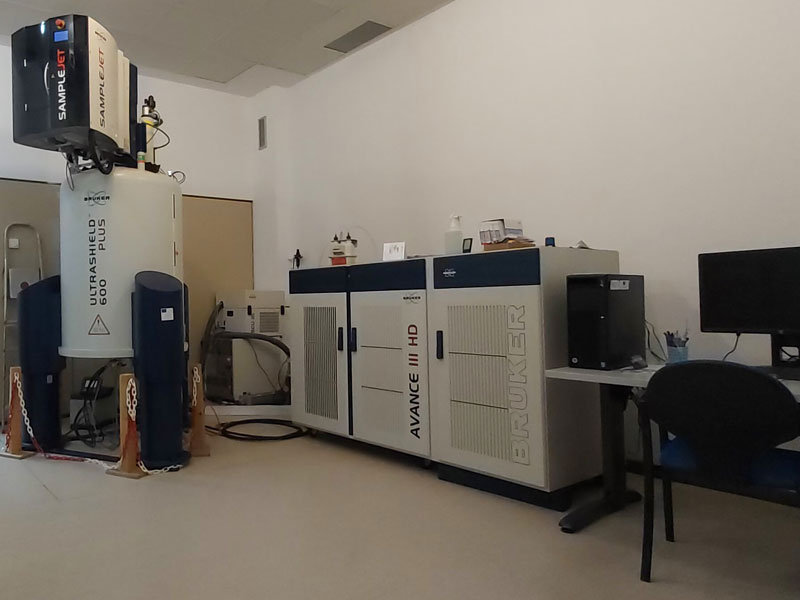
NANBIOSIS Unit 26 provides advanced metabolomics capabilities through high-field nuclear magnetic resonance (NMR). Located at the Faculty of Medicine of the University of Valencia, the unit hosts a 14-Tesla NMR platform capable of generating highly detailed metabolic profiles of biofluids, tissues, and cell lines.
The Unit is coordinated by Ramón Martínez Máñez of the Universidad Politécnica de Valencia together with Salvador Gil, Director of the Central Service for Experimental Research (SCSIE).
By enabling high-precision metabolomic analyses and supporting experimental research infrastructure, NANBIOSIS continues to facilitate cutting-edge studies exploring the complex interactions between metabolism, diet, and disease.
What is NANBIOSIS?
The goal of NANBIOSIS is to provide comprehensive and integrated advanced solutions for companies and research institutions in biomedical applications. All of this is done through a single-entry point, involving the design and production of biomaterials, nanomaterials, and their nanoconjugates. This includes their characterization from physical-chemical, functional, toxicological, and biological perspectives (preclinical validation).
If you want to collaborate with us, visit our Order Request page.
In order to access our Cutting-Edge Biomedical Solutions with priority access, enter our Competitive Call here.
NANBIOSIS has worked with pharmaceutical companies of all sizes in the areas of drug delivery, biomaterials and regenerative medicine. Here are a few of them: