




Spain’s biotech leaders present a 10-point manifesto to strengthen strategic autonomy, calling for stronger investment, infrastructure and innovation policies.
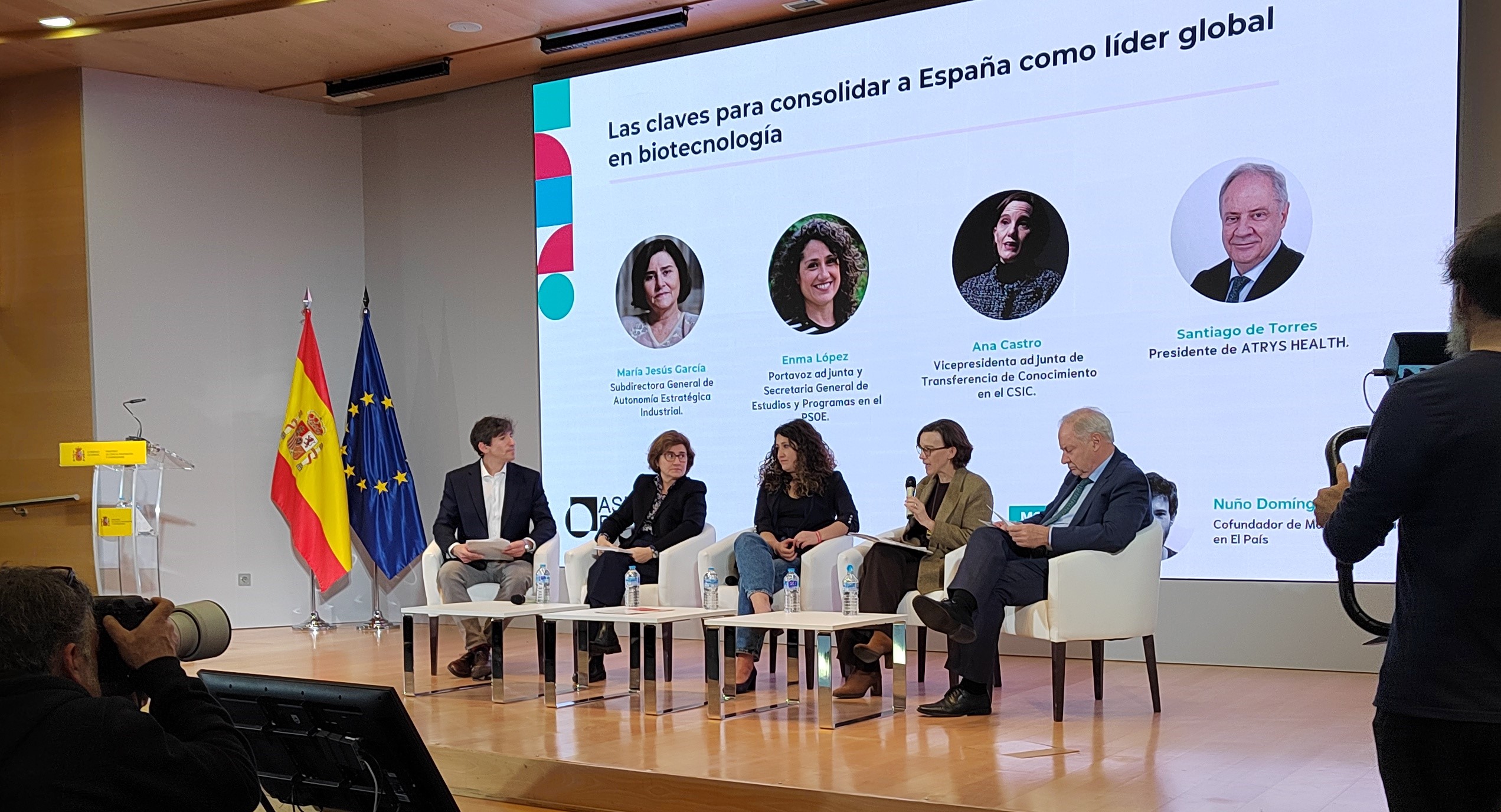
Madrid, March 2026 — Yesterday, policymakers, industry leaders and research representatives gathered in Madrid for the event “The Innovative Biotechnology Sector and its Role in Strategic Autonomy.” The meeting highlighted the importance of biotechnology for the economic competitiveness, healthcare resilience and technological sovereignty of Spain.
Organized by AseBio and held at the headquarters of the Ministry of Science, Innovation and Universities, the event brought together government officials, scientists and biotech executives to present a new manifesto outlining ten key measures to position Spain as a global biotechnology leader.
Biotechnology as a pillar of strategic autonomy
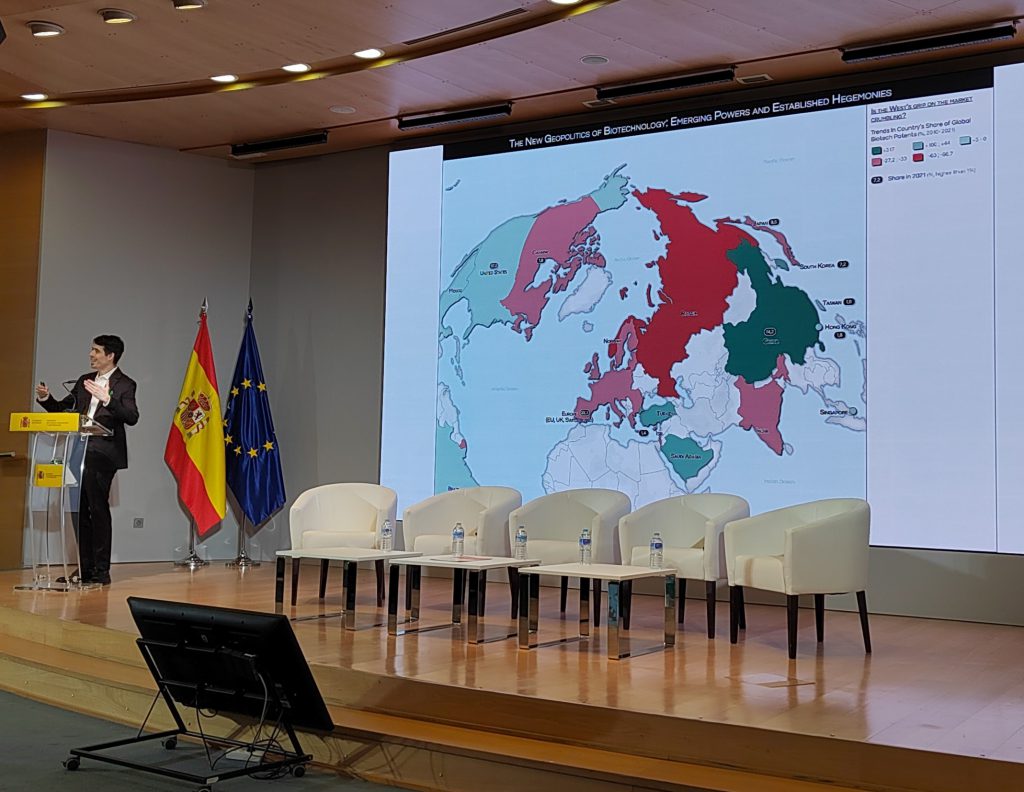
During the institutional opening, representatives from the Spanish government emphasized the growing geopolitical relevance of biotechnology. Speakers noted that the COVID-19 pandemic and global supply disruptions revealed Europe’s dependence on external suppliers for essential medicines and health technologies.
In response, the biotech community is calling for stronger national and European strategies to ensure domestic capacity in areas such as biomanufacturing, advanced therapies and biotechnology-based industrial processes.
According to data presented during the event, biotechnology already represents a significant component of the Spanish economy. The sector accounted for 1.1% of the GDP of Spain, and more than 131,000 jobs in 2023, reflecting its increasing role as a driver of innovation and high-value employment.
A 10-point manifesto for the future of biotech
A central moment of the event was the presentation of a manifesto by Ion Arocena, Managing Director of AseBio, outlining ten measures designed to strengthen Spain’s biotechnology ecosystem. The proposals focus on five main areas:
1. Industrial capacity and strategic autonomy
The manifesto calls for formally recognizing biotechnology as a strategic sector in the industrial policy of Spain. Proposed actions include developing national biofabrication capabilities and creating a network of biotechnology scale-up hubs to support industrial production.
2. Business growth and innovation
Speakers highlighted that most Spanish biotech companies are small or medium-sized enterprises, with several important hubs, the main one located in Barcelona. To help them compete globally, the document recommends new tools to support scaling, regulatory assistance and accelerated approval pathways for innovative technologies.
3. Research and development investment
Another key proposal is to increase national R&D investment to 2.12% of GDP by 2027, aligning Spain with the European average and strengthening its ability to transform scientific excellence into industrial innovation.
4. Financing mechanisms
The manifesto also proposes expanding fiscal incentives and public-private investment funds to support biotech startups and scale-ups, particularly during the critical phases of industrial development. During the event, some speakers highlighted that medium-sized companies, which are generally cathegorized as “large” for the local standards, have to compete for leadership against multinational corporations that are orders of magnitude larger, which is a significant challenge to their growth.
5. Talent and infrastructure
Finally, the document highlights the need for a national biotechnology talent plan, including industrial PhDs and specialized training in areas such as bioinformatics, advanced manufacturing and regulatory science. A special mention to AI was done during discussions too.
Biotechnology for health, sustainability and food security
Throughout the session, speakers stressed that biotechnology is central to addressing major societal challenges. Innovations such as advanced therapies, genomic medicine and AI-driven drug discovery are transforming healthcare. At the same time, biotechnology is enabling sustainable agriculture, circular bio-based materials and new food production systems.
Spain already holds a strong position internationally, ranking ninth in global scientific output in biotechnology and hosting a growing ecosystem of startups and research centers working across health, agriculture, industry and environmental applications. However, the large amount of startups, larger than in most other EU countries, does not correlate to the market capitalization of large EU biotech companies.
A strategic opportunity for Spain
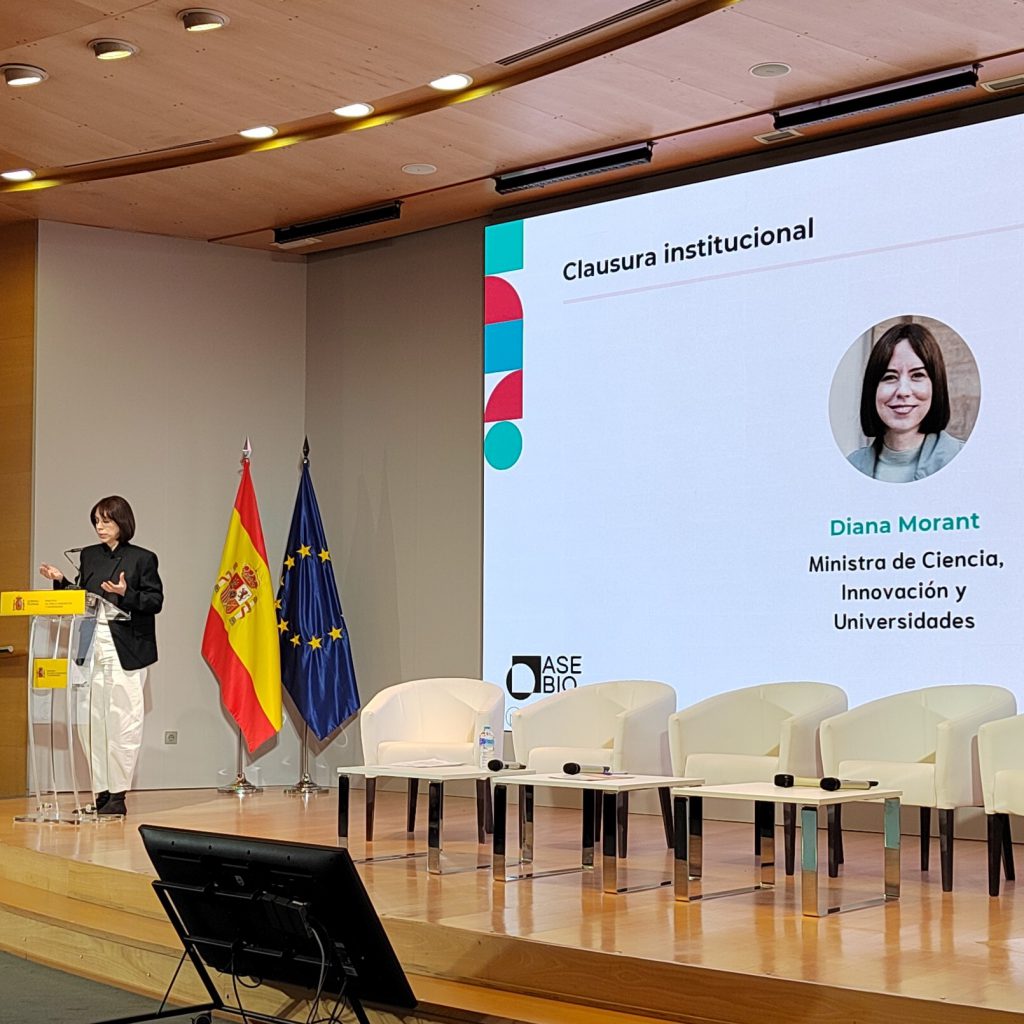
The event concluded with an institutional closing by Diana Morant, Spain’s Minister of Science, Innovation and Universities, who underscored the opportunity for Spain to become a major European hub for biotechnology.
Participants agreed that achieving this goal will require coordinated action between government, research institutions and industry to strengthen innovation, industrial capacity and investment in emerging technologies.
With biotechnology increasingly recognized as a critical technology for economic resilience, health security and sustainable development, the manifesto presented at the event aims to serve as a roadmap for Spain’s leadership in the global bioeconomy.
What is NANBIOSIS?
The goal of NANBIOSIS is to provide comprehensive and integrated advanced solutions for companies and research institutions in biomedical applications. All of this is done through a single-entry point, involving the design and production of biomaterials, nanomaterials, and their nanoconjugates. This includes their characterization from physical-chemical, functional, toxicological, and biological perspectives (preclinical validation).
If you want to collaborate with us, visit our Order Request page.
In order to access our Cutting-Edge Biomedical Solutions with priority access, enter our Competitive Call here.
NANBIOSIS has worked with pharmaceutical companies of all sizes in the areas of drug delivery, biomaterials and regenerative medicine. Here are a few of them: